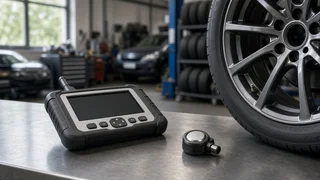
Smart Sensor Elite TPMS Diagnostic Tool
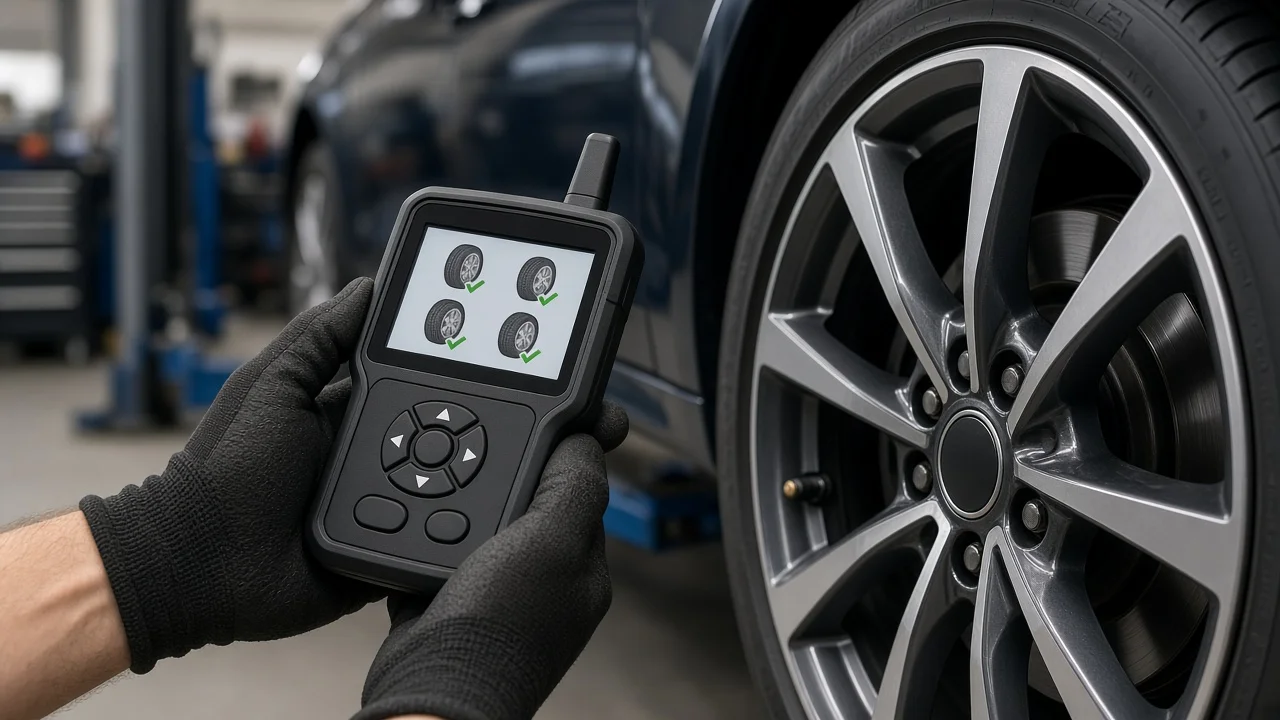
Choosing a Smart Sensor Elite TPMS Diagnostic Tool starts with understanding what it does at the tire and the module level. The device is used to read sensor IDs, battery conditions, pressures, temperatures, and related diagnostic information from tire pressure monitoring systems. Because TPMS behavior changes with temperature, battery state, relearn status, and vehicle sleep modes, a useful purchase decision depends on trigger coverage, display clarity, and update support. The two measured search variations point to the same research goal: identify a capable diagnostic unit before spending money, then interpret what the tool reports during a relearn or warning light event.
The direct answer
Buy the Smart Sensor Elite TPMS diagnostic tool when you need a purpose-built reader for activating sensors, checking their transmitted values, and supporting common relearn procedures. The immediate answer is that it fits shoppers who service multiple vehicles or want more information than a basic warning light provides. The purchase should be judged by vehicle coverage, sensor compatibility, menu structure, and whether the tool can wake a sensor that has entered sleep mode. A lower-cost universal reader may be adequate if you only need an occasional pressure check, while this class of tool is more relevant for repeated TPMS work.
The strongest reason to select this style of diagnostic equipment is the ability to compare what each wheel sensor reports before replacing hardware. A stored trouble code, warning lamp, or intermittent low-pressure reading is not proof that a specific sensor is bad. The tool becomes most useful when it shows whether a sensor is silent, transmitting an implausible pressure, or reporting a weak battery. If the unit does not support your vehicle brand or the sensor type installed, its extra menus add little practical value. Confirm that the exact version you are considering includes the protocols and relearn paths you are likely to encounter.
Understanding a problem
A TPMS warning can come from a genuine low tire, a sensor that is no longer transmitting, a relearn issue, or a threshold that changed with temperature. The diagnostic tool helps separate those possibilities by showing live data from the sensor rather than relying only on the dashboard indicator. Start by checking actual inflation with a reliable gauge and comparing it with the values the tool reports. When one wheel is missing from the readout while the others respond, the problem may involve that sensor, its mounting angle, nearby interference, or a vehicle-specific wake-up requirement. No single missing response proves the sensor has failed.
A diagnostic code should be treated as a clue tied to a specific vehicle and system, not as a parts replacement order. Manufacturer-dependent codes can vary in meaning, so the tool must be used with the appropriate service information for the vehicle being tested. Freeze-frame data and symptom conditions can reveal whether the fault occurred only during cold starts, after a tire rotation, or following a sensor replacement. If the readings return to normal after the vehicle is driven and the tire is inflated correctly, a confirmation test helps verify the repair before clearing the code.