Toyota vision concept cars
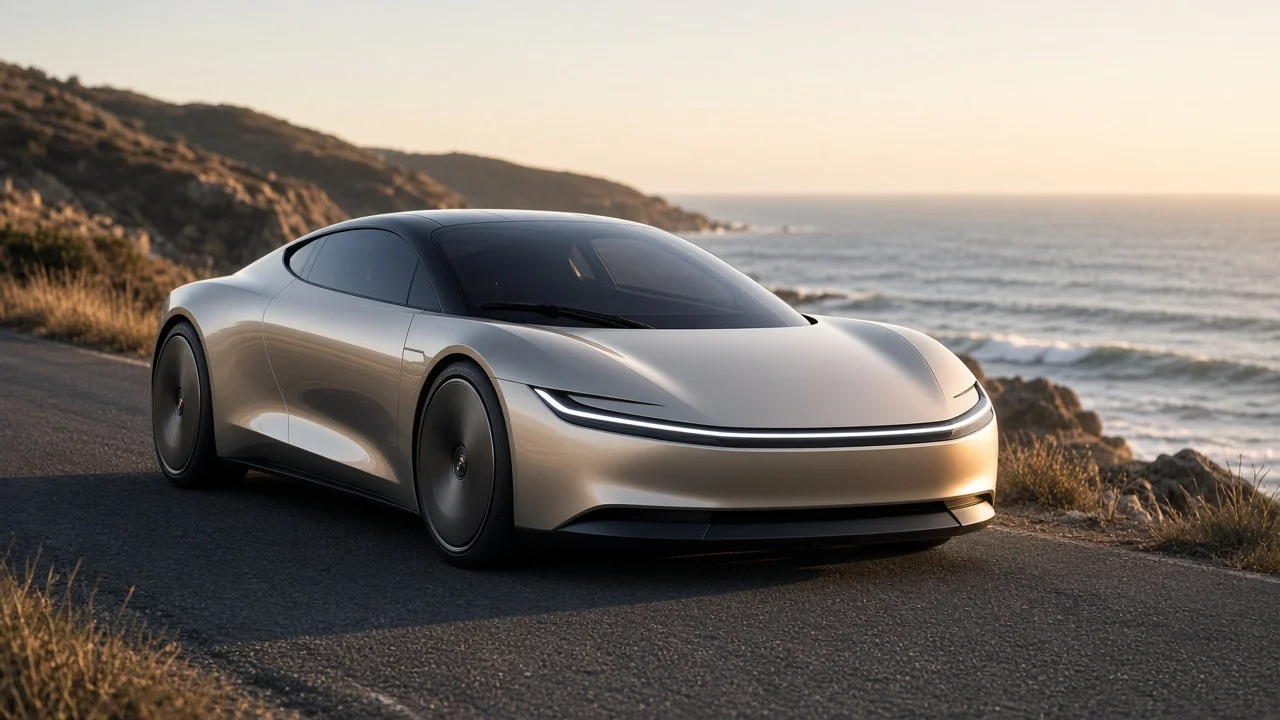
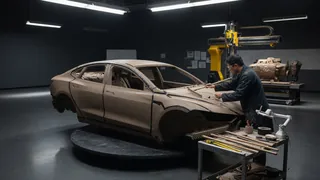
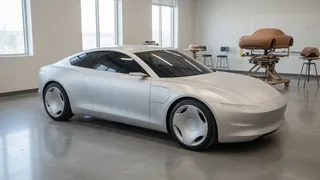
Toyota concept vehicles called Vision models preview how the brand experiments with passenger-car packaging and future design language. A Toyota Vision car typically appears as a show car or design study that tests many ideas at once rather than one specific production trim. These projects explore cabin flexibility, electric or alternative powertrain layouts, and aerodynamic forms before a model generation reaches market introduction. Because these studies sit outside factory specification for a particular year, understanding them means separating advanced studio proposals from equipment available on a dealer lot.
Essential answer
A Toyota Vision car is best understood as a concept-focused name applied to exploratory show vehicles, not a single regular-production model sold through normal retail channels. The exact scope varies because Toyota has used Vision-related naming on studies that examine different vehicle classes, seating arrangements, and propulsion ideas. Some emphasize tall cabins and versatile interiors, while others preview sleek body surfaces or driver-focused layouts. A shopper researching the phrase should expect a design-development exercise rather than a trim level with standard options and a fixed production period.
This means the practical answer changes depending on the specific concept being discussed. Without a confirmed vehicle, there is no single price, engine choice, or on-sale date to quote. Instead, the relevant point is that these cars function as rolling explorations of technology and styling. Elements such as a compact powertrain layout or a reconfigurable cabin may influence later products, but the show vehicle itself usually remains outside normal market introduction. Readers should treat displayed specifications as directional studies rather than commitments for a factory specification.