Too Much Oil in the Engine: What It Means, Why It Matters and How to Fix It
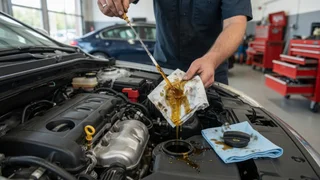
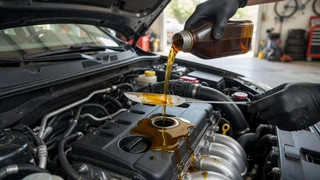
Putting too much oil in the engine is a common mistake, especially after a DIY oil change or a top-up done without rechecking the dipstick. A level slightly above the full mark is usually not an emergency, but a significant overfill can harm lubrication, seals and emissions components and should be corrected before the vehicle is driven much further. If the oil level has risen on its own between changes, that is a different situation and can point to fuel or coolant getting into the oil.
The Short Answer
If the level sits just above the upper mark on the dipstick, most engines tolerate it, though bringing it back into range is still good practice. If the level is clearly well above the full mark, avoid driving and remove the excess. If you see blue-white exhaust smoke, a burning oil smell, foamy oil on the dipstick, a low oil pressure warning or new leaks, stop driving and correct the level before restarting. How much margin a given engine has varies by design, so the safe target is always the range shown on the dipstick or the reading specified for the engine's electronic level check.
Why Overfilling Causes Problems
In a conventional wet-sump engine, oil collects in the oil pan below the rotating crankshaft. The fill quantity is chosen so the oil surface stays clear of the crankshaft and connecting rods while still covering the oil pump pickup. Adding too much raises the oil surface toward those moving parts, and the effects build from there.
Aeration and foaming: the spinning crankshaft can whip the oil into a froth. Air bubbles do not lubricate or carry pressure the way liquid oil does, so bearings and other components may get a weaker oil film. Higher crankcase pressure: extra oil and foam reduce the air space in the crankcase and can push pressure up, stressing gaskets and seals and encouraging leaks. Oil in the intake: the positive crankcase ventilation (PCV) system can draw oil mist or liquid oil into the intake, where it may be burned, foul spark plugs or leave deposits. Catalytic converter damage: oil burned in the combustion chambers sends ash and residue into the exhaust, which can contaminate the catalytic converter and oxygen sensors over time. Added drag: churning a deeper pool of oil absorbs a small amount of engine power and can raise oil temperature.
These risks scale with the amount of overfill and how hard the engine is driven. A minor excess at gentle speeds is far less concerning than a large excess combined with high engine speeds or sustained load.
Symptoms of Too Much Oil
Sign | What it may indicate; Oil level clearly above the full mark | Overfill from an oil change or top-up, or contamination raising the level; Foamy or bubbly oil on the dipstick | Aeration from crankshaft contact with the oil; Blue-white exhaust smoke | Oil reaching the combustion chambers, often through the PCV system; Burning oil smell | Oil burning in the engine or leaking onto hot exhaust parts; New leaks around seals or gaskets | Increased crankcase pressure; Oil pressure warning or fluctuating gauge | Aerated oil reaching the pump; Rough running or misfires | Oil fouling the spark plugs
Many of these symptoms have other possible causes, so they are best read alongside an accurate level check rather than on their own.
How to Check the Oil Level Correctly
A misleading reading is one of the most common reasons people think they have overfilled, or fail to notice that they have. The correct procedure depends on the engine, and the owner's manual gives the specific method for your model year and powertrain.
Park on level ground; a slope can make the dipstick read high or low. Follow the manual on timing. Some manufacturers want the check with the engine warm after a short wait, others with the engine cold; checking right after shutdown often reads low because oil is still draining back to the pan. Pull the dipstick, wipe it clean, reinsert it fully, then pull it again and read the level between the minimum and maximum marks. After adding oil, wait a few minutes for it to drain down before rechecking, and add in small amounts. If the vehicle has no dipstick, use the electronic level check in the instrument cluster or infotainment menu as described in the manual. These systems may require specific conditions, such as a warm engine, level ground or a period of idling, before they report a valid reading.
The amount of oil represented by the space between the dipstick marks differs between engines, so do not assume a fixed volume. The manual lists the fill quantity for an oil change with and without a filter, which is the best guide to whether an overfill is small or large.
How to Remove Excess Oil
Removing a modest excess is usually straightforward. Let a hot engine cool enough to work around safely, since oil and exhaust parts can cause burns.
Drain plug: loosen the drain plug briefly to let a small amount out into a pan, then retighten it. This is quick but messy, and it is easy to drain more than intended. Use a new crush washer if the design calls for one, and tighten to the specified torque. Oil extractor: a hand or vacuum pump with a thin tube inserted through the dipstick tube lets you remove oil in controlled amounts from above. This is often the cleanest option for small corrections, though some engines have dipstick tubes that do not suit this method. Oil filter: on some engines, loosening the filter releases a small amount of oil, but this is less precise and not suitable for every layout.
After removing oil, wait for the level to settle, recheck, and repeat until the reading sits within the range. Dispose of used oil at a recycling point; many auto parts stores and service centers accept it. If you are unsure, a repair shop can correct the level quickly.
When the Oil Level Rises by Itself
If no one has added oil but the level keeps climbing between changes, something else is entering the crankcase. Removing the extra oil will not fix the underlying cause.
Fuel dilution: unburned fuel can get past the piston rings and mix with the oil. This is more likely with frequent short trips that keep the engine from reaching full temperature, and has been a known concern with some direct-injection and turbocharged engines. The oil may smell of fuel and look thinner than normal. Diesel engines with particulate filter regeneration can also add fuel to the oil under some driving patterns. Coolant contamination: a failing head gasket, cracked component or faulty oil cooler can let coolant into the oil. Warning signs include milky or tan-colored oil, residue under the oil filler cap and a falling coolant level. This needs prompt diagnosis. Water condensation: in cold weather and short-trip use, moisture can collect in the crankcase. Small amounts usually evaporate during longer drives, but heavy residue under the filler cap warrants a closer look.
Diluted or contaminated oil loses its ability to protect the engine, so a rising level is a reason to have the oil inspected and possibly changed sooner than the normal service interval, along with a diagnosis of the source.
Preventing Overfill
Identify the exact engine fitted to your vehicle before buying oil. Many models are offered with more than one engine across trims and model years, and fill quantity can differ between them. Find the oil capacity and lubricant specification in the owner's manual, and use oil that meets the required viscosity grade and any manufacturer approval listed. During an oil change, add slightly less than the listed capacity, run the engine briefly to fill the new filter, shut it off, wait, then check and top up gradually. Remember that some old oil may remain in the engine after draining, so the full listed capacity is not always needed to reach the full mark. When topping up between services, add a small amount at a time and recheck before adding more.
Bottom Line
Too much oil in the engine is usually easy to fix and, if caught early, unlikely to cause lasting harm. A slight excess is a minor issue; a large overfill or one accompanied by smoke, foaming or warning lights calls for stopping and correcting the level before driving on. Check the level accurately using the method for your specific engine, remove excess with a drain plug or extractor, and treat a level that rises without anyone adding oil as a sign that fuel or coolant may be getting into the crankcase.