Tail Lights Not Working: Common Causes and Safe Checks
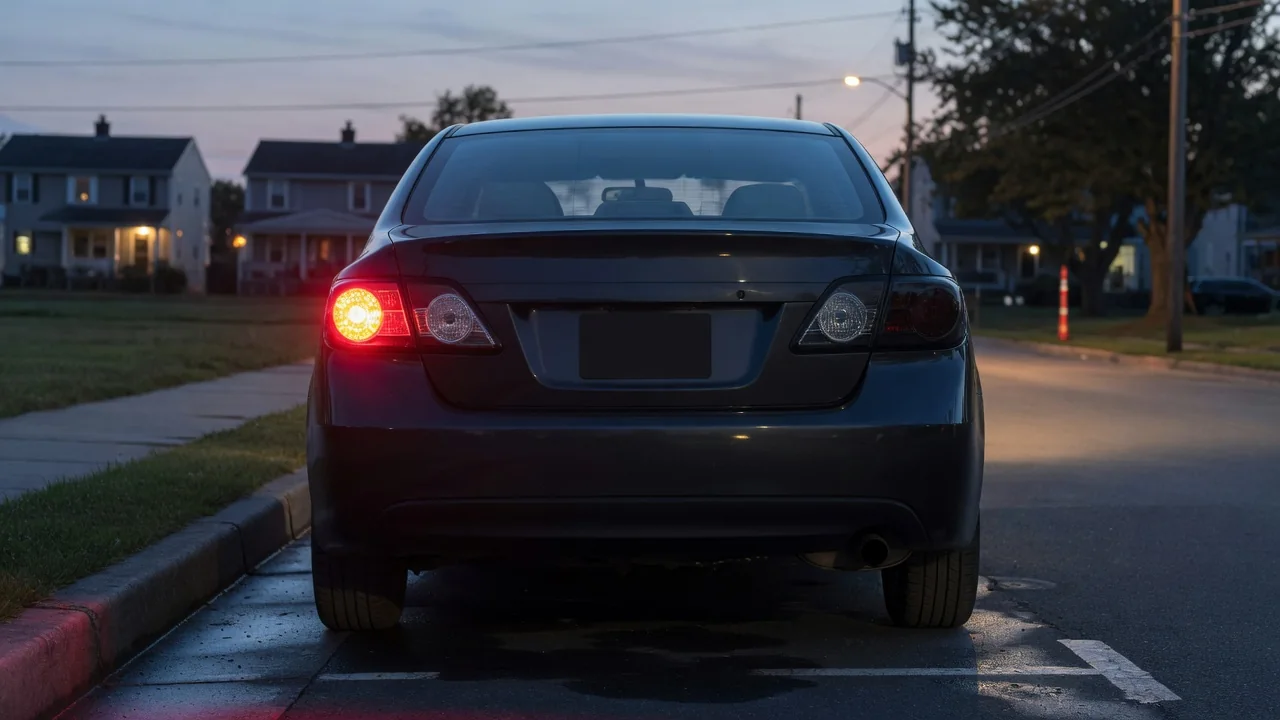
Tail lights not working is a problem that hides in plain sight, because the driver rarely sees the rear of the vehicle at night. Whether the fault affects one lamp, both sides, or the dash and license plate lights too, the pattern of what still works offers useful clues. This guide explains common causes and the safe checks worth doing first.
What It Means When Your Tail Lights Are Not Working
Rear lamps perform several jobs. Tail lights, also called running lights, glow steadily whenever the parking lights or headlights are on. Brake lights shine brighter when the pedal is pressed, turn signals flash, and reverse lights come on in reverse gear. Each function usually has its own circuit, so knowing which one failed narrows the search. One dark lamp generally points to a taillight bulb or socket, while both rear tail lights failing together suggests something shared, such as a fuse, switch, relay or ground.
Typical causes include burned-out bulbs, corroded sockets, a blown fuse, a worn headlight or parking-light switch, poor grounds, damaged wiring and failed lamp assemblies. To confirm what is happening, park somewhere safe, switch on the parking lights and have a helper watch the rear while the vehicle stays stationary. Because dark back tail lights make a vehicle hard to see at night and may violate local traffic laws, the fault deserves prompt attention.
Running Lights Out but Brake Lights Still Work
A common pattern is tail lights not working but brakes are. Many vehicles use a dual-filament bulb, with a dim filament for the running function and a brighter one for braking, or an LED lamp with both functions sharing one housing. The two are fed by separate circuits, so the tail light running lights can go dark while the brake lights behave normally. A broken tail filament, a separate tail-light fuse, or a fault in the lighting switch or body control circuit can each produce this result.
Working brake lights do tell you something. The lamp assembly has not failed completely, and the ground connection is at least partly intact, since both functions commonly share it. That narrows the field without naming the culprit. If the license plate lights are dark as well, a shared parking-light feed becomes more likely than two coincidental bulb failures. Circuit layouts vary by make, model and year, so the owner's manual or a wiring diagram for the exact vehicle is the right reference before drawing conclusions.
When Dash Lights and Tail Lights Fail Together
When the dashboard and tail lights go out at the same moment, the two problems are probably related. On many vehicles, instrument panel lights share a fuse, switch or control circuit with the parking and tail lamps, which is why owners often notice dark gauges first. Possible causes include a blown parking-light fuse, a faulty headlight switch, or a short somewhere along the shared circuit. It is also worth checking whether the dimmer switch has simply been turned all the way down, which darkens the dash alone.
A fuse that blows again right after replacement is a strong sign of a short circuit, where a powered wire is touching metal or another conductor. That needs proper diagnosis, and fitting a higher-rated fuse is unsafe because the wiring could overheat before the fuse opens. How the dash lights and tail lights are linked depends on the vehicle, and some designs keep them fully separate, so the fuse chart or service information should confirm the arrangement before any parts are bought.
Why LED Tail Lights Stop Working
Owners asking why their LED tail lights are not working face a different situation from those with bulbs. Factory LED lamps are often sealed units with the light sources and driver electronics built in, so a dead section may mean servicing or replacing the whole LED tail light assembly. Moisture inside the lens, a failed internal circuit board or a poor connector at the rear lamp assembly can all be involved.
Aftermarket parts bring their own issues. Retrofit LED bulbs can be polarity sensitive, may sit loosely in a socket made for an incandescent bulb, and draw so little current that bulb-out monitoring treats them as failed, setting a bulb-out warning or switching the circuit off. Vehicles that run lamp checks through a control module may need compatible parts or coding. Whether the lamp is an E46 LED unit or a Spyder-style aftermarket housing, confirm the product is described as compatible with the specific vehicle before buying.
How to Fix Tail Lights That Are Not Working: Safe Checks to Start With
For anyone wondering how to fix tail lights not working, start simple with the engine off and the vehicle parked safely. Confirm the headlight switch is actually in the parking or headlight position, then look at the bulbs for a broken filament or darkened glass. Inspect the sockets for green or white corrosion, moisture or melted plastic. Next, use the fuse box chart in the owner's manual to find the fuse labeled for the tail or parking lamps, pull it and look for a broken element inside.
Some symptoms hint at a ground or wiring harness problem instead: flickering, several lamps glowing dimly together, or a fault that comes and goes as a door or trunk lid moves. Home checks have limits, and they should stay visual. Repeat blown fuses, melted connectors, a burning smell, or a fault that seems to involve a body control module call for professional testing with proper equipment. Any stored fault code is evidence to interpret alongside those tests, not proof that a particular part has failed.
Tail Light Problems on Specific Cars, SUVs and Pickups
Searches for a 350Z, G35, Miata, IS300, Scion FR-S, tC or xB, Yaris, Cobalt, HHR, Impala, Pontiac G6, Saturn, PT Cruiser or Caravan describe the same basic causes covered above. What changes is the detail: fuse locations, switch design, lamp construction and wiring routes differ by model and year. The owner's manual or service information for the exact vehicle is the reliable guide, and a fix posted for another model, or even another year of the same one, should not be assumed to apply.
Trucks and SUVs such as a 4Runner, Xterra, Land Cruiser, Hilux, F-250, S10, or an older C10 and other square body pickups deserve a few extra looks. Wiring that flexes near a tailgate or trunk lid hinge, corroded rear connectors and an added trailer wiring connector are general areas worth inspecting on any aging vehicle. Aftermarket lamps, hitch wiring kits and previous repairs add splices that can fail. When the model-specific circuit information is unclear, dealer or independent shop diagnosis saves guesswork.
Tail Lights Not Working on Semi Trucks and Commercial Vehicles
On a Freightliner Cascadia, Kenworth, Peterbilt 379 or a medium-duty Isuzu NPR, the principles are the same but the scale is larger. Heavy trucks have longer harnesses, multiple rear connectors and trailer light circuits, each adding possible failure points. With the vehicle parked and secured, safe visual checks include looking for damaged or corroded trailer connectors, harness sections chafed against the frame, and lamps cracked by road debris.
Some newer trucks route lighting through electronic modules rather than simple switches and relays, so finding the fault may require manufacturer software or a qualified commercial truck technician. Older trucks can be more conventional, but that varies by build and should be confirmed for the specific unit. Fleet drivers and owner-operators should follow pre-trip inspection requirements and their company's repair procedures, document the defect, and avoid driving with a lighting fault, since a dark trailer or tractor is a serious hazard to following traffic.