Dashboard and Interior Lights Not Working: Causes and Safe Checks
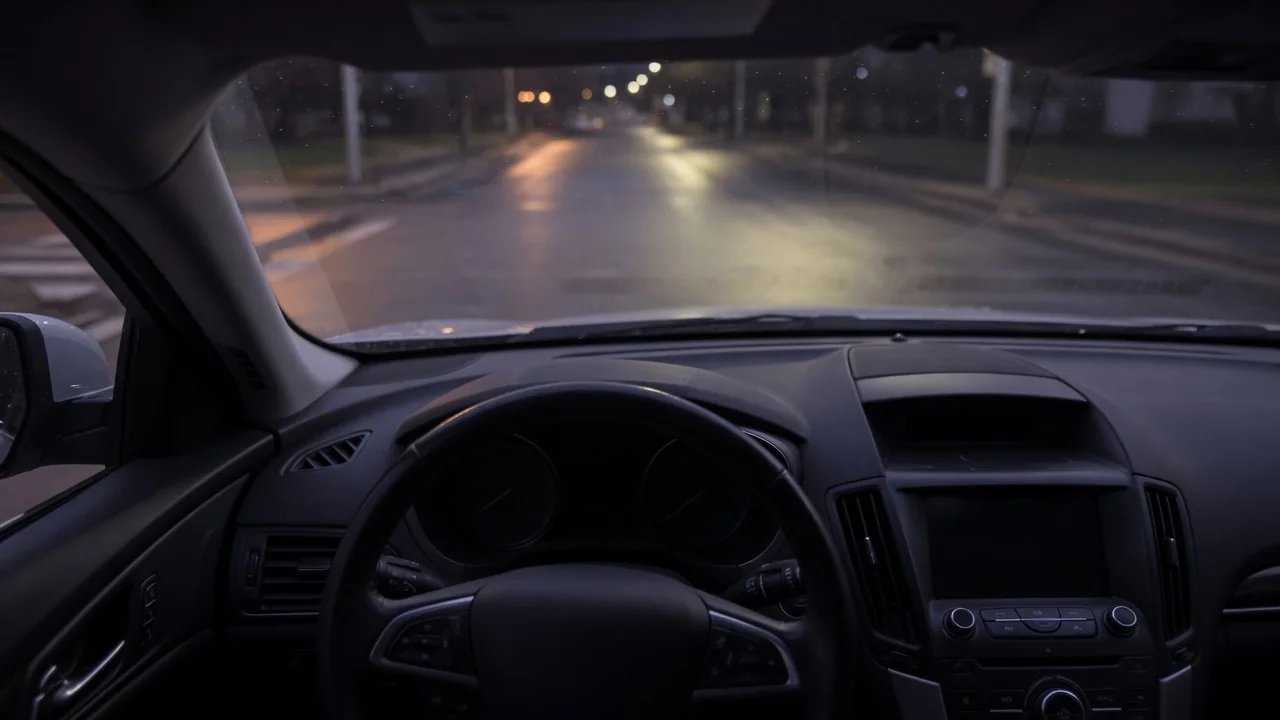
Interior dash lights not working can turn a routine night drive into guesswork, because the speedometer, fuel gauge and switch labels all depend on backlighting. The cause may be as minor as a dimmer turned down or as involved as a wiring or module fault. This guide explains what the symptom pattern suggests, which checks are safe at home, and when professional diagnosis makes sense.
What It Means When Interior Dash Lights Stop Working
Dash lights not working describes a specific problem: the illumination behind the gauges, climate controls and switches goes dark while the instruments themselves still function. That differs from gauges that stop reading, which points toward sensors, data or cluster power, and from a blank infotainment screen, which is a separate unit with its own supply. Note exactly what is dark. All instrument panel lights out suggests a shared supply or control, while one dead button or a dome light not working suggests something local.
Many drivers notice the fault only after sunset or when the headlights are switched on. That happens because the dashboard backlight is frequently fed from the exterior lamp switch or parking light circuit and then adjusted through a dimmer, so it has no reason to operate in daylight on some designs. Wiring layouts and control logic vary by make, model and year, which makes the owner's manual the first reference for how the lighting on a particular vehicle is supposed to behave.
Simple Settings and Switches to Rule Out First
The panel dimmer switch is the most common innocent explanation. A thumbwheel, rotary knob or stalk button near the headlight control can be nudged to its lowest setting by a knee, a cleaning cloth or a curious passenger, leaving the cluster looking dead. Run it through its full range with the headlights on. Automatic headlight modes and daytime running light logic can also hold the backlighting dim or off when a cabin light sensor judges the surroundings to be bright.
Overhead lighting has its own controls. Dome lamps typically have an on position, an off position and a door-activated position, and a lamp left in off will ignore every door opening. Some vehicles also let owners disable door-triggered illumination through a menu. Display brightness and night-mode settings for the infotainment screen or a digital cluster may sit in software, separate from the physical dimmer, so both places deserve a look before assuming an electrical fault.
Fuses and Shared Lighting Circuits
Panel and courtesy lighting normally run through one or more fuses, and the owner's manual or the diagram on the fuse box cover identifies which positions apply. An interior light fuse may protect more than the cabin. Because instrument illumination often shares a feed with exterior marker lamps, walk around the vehicle with the lights on and see whether the taillights, parking lights or license plate lights are also out. A shared failure strongly suggests a common fuse or supply.
A blown fuse should be replaced only with one of the exact same rating, never a higher one, since the fuse is sized to protect the wiring behind it. An oversized fuse lets a fault overheat the harness instead. If the new fuse fails again, immediately or after a few drives, that pattern points to a short circuit or overloaded circuit somewhere downstream. Repeated fuse swaps will not cure it, and the circuit needs proper testing by a professional.
Bulbs, LED Backlighting and the Instrument Cluster
Dark patches, a single unlit gauge or one dim switch usually indicate a local lighting failure rather than a whole-circuit problem, because the rest of the panel proves the supply and dimmer are working. On older vehicles, instrument cluster lighting often came from small replaceable bulbs seated in the back of the cluster. Many newer designs use LED backlighting soldered to the circuit board inside the cluster or switch panel, where a failed section is not a simple bulb change.
Reaching either type means removing trim and sometimes the cluster itself. That work passes close to airbag components and involves brittle clips, delicate ribbon connectors and static-sensitive electronics, so damage is easy to cause and expensive to undo. For many owners it is a job better left to a professional. On some vehicles a replacement cluster also needs setup or programming to work with the car's other systems, something to confirm for the specific vehicle before ordering parts.
Wiring, Grounds and Control Module Issues
Flickering dash lights, illumination that comes and goes over bumps, or a failure that began right after other electrical work all hint at a connection problem instead of a failed lamp. Loose plugs, a poor ground and chafed wiring behave intermittently in exactly this way. Aftermarket accessories tapped into lighting circuits, water leaking into the cabin and corroded connectors can each upset the system, though none should be assumed as the cause until the circuit has actually been tested.
On many modern vehicles a body control module or dedicated lighting module switches and dims the interior lights electronically instead of relying on a simple mechanical switch. A fault in that module, its inputs or its network communication cannot be judged by eye and needs a capable scan tool. Any stored trouble code should be checked against that manufacturer's own definition before anyone interprets it. A code is evidence pointing toward a circuit or condition, not proof that a particular part has failed.
Driving Safely When the Dash Is Dark
A dark instrument panel removes information drivers rely on constantly at night. Without a readable speedometer it is easy to drift over the limit, the fuel level becomes a guess, and a warning light for oil pressure, charging or temperature may go unseen until damage is done. Check the outside of the vehicle too. If the taillights or other exterior lamps share the fault, other drivers may not see the vehicle, and driving in that condition may break the law.
Until the lighting is repaired, limiting night driving is the sensible course, and stopping somewhere safe is wise if warning indicators can no longer be seen at all. Resist makeshift fixes. Bridging a fuse with foil or wire, fitting a larger fuse or splicing a new feed into the harness removes the protection the circuit was designed with and can turn a lighting nuisance into overheated wiring or a damaged module.
When to Get Professional Electrical Diagnosis
Some signs call for a shop without further home checks: fuses that blow repeatedly, a burning smell, melted or discolored connectors, faults that come and go, or several systems failing together. Help the technician by describing which lights failed, when the problem started, any recent repairs or added accessories, and anything that brings the lights back, such as moving the dimmer, hitting a bump or closing a door. Those details shorten diagnosis considerably.
Home checks have clear limits. Looking at settings, switch positions and fuses can rule out the simple causes, but a visual inspection cannot confirm a module, wiring or cluster fault, and guessing at parts often costs more than testing. The correct repair depends on how that vehicle's lighting is designed, so the diagnosis should rest on manufacturer-specific wiring diagrams, test procedures and code definitions rather than general assumptions carried over from another model.