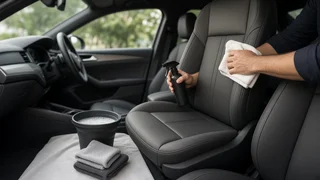
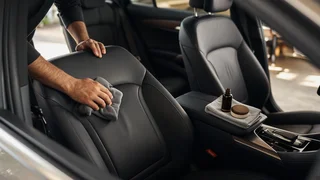
Synthetic leather car seats
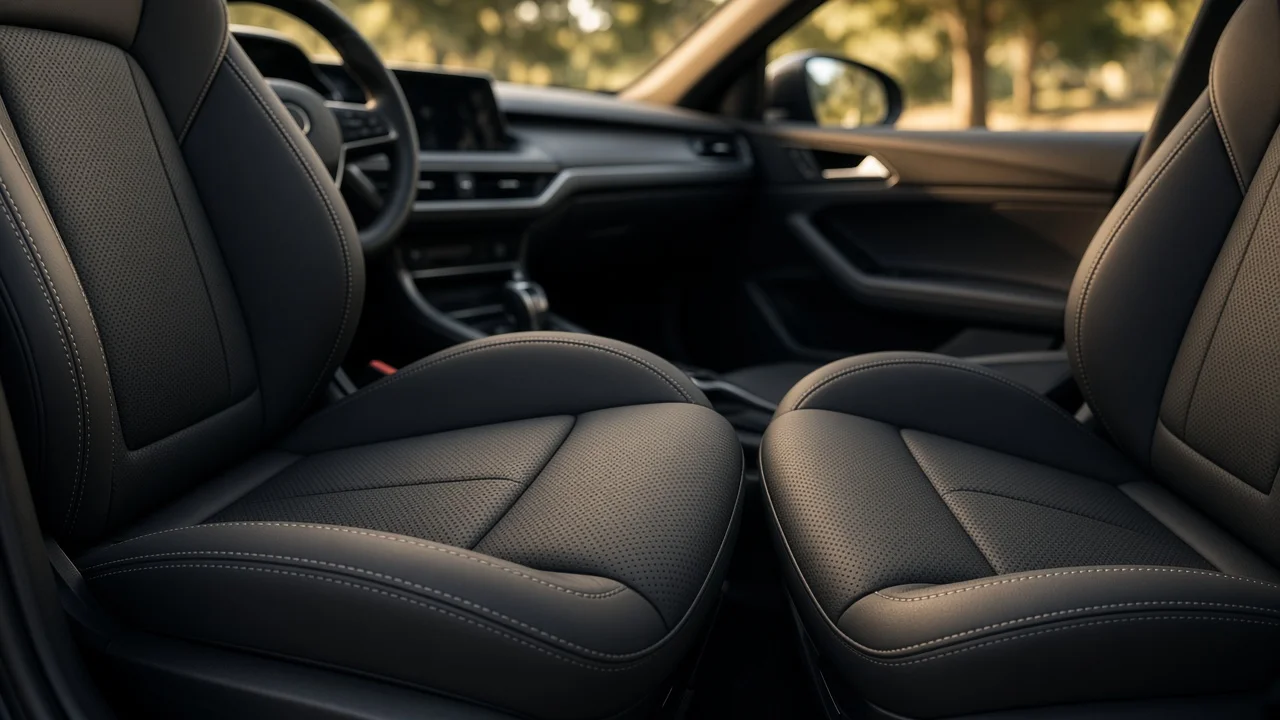
Synthetic leather car seats offer a practical alternative that aims to capture the look and feel of animal hide while changing how the surface responds to daily use. For many shoppers, this material raises questions about comfort, upkeep, and long-term appearance. Understanding its construction helps separate marketing language from what the seat will actually feel like in a hot or cold climate. The answer depends on the specific polyurethane or vinyl formulation, the seat design, and how the owner cleans and conditions the surface over time.
Essential answer
Synthetic leather car seats are upholstery surfaces made from plastic-based materials rather than tanned animal hide. The most common modern versions use polyurethane applied over a fabric backing, while some older or heavy-duty applications use vinyl. Manufacturers shape, texture, and perforate these materials to imitate the grain and stitching of genuine leather. The core answer is that this material provides a non-porous, easy-to-wipe surface, but its breathability, softness, and heat retention differ from real leather and from cloth.
The scope of this answer changes with the vehicle and trim level. A base model may use a simpler vinyl with a firmer hand feel, while a premium synthetic leather can feel softer and more supple. Some surfaces are marketed under brand names that refer only to the synthetic coating, not to animal hide. Because the material does not absorb spills the way fabric does, it suits families and pet owners, but it can feel warmer in direct sun and may show creasing or wear at the driver’s outer bolster.