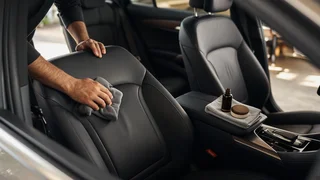
Synthetic leather vs real leather car seats
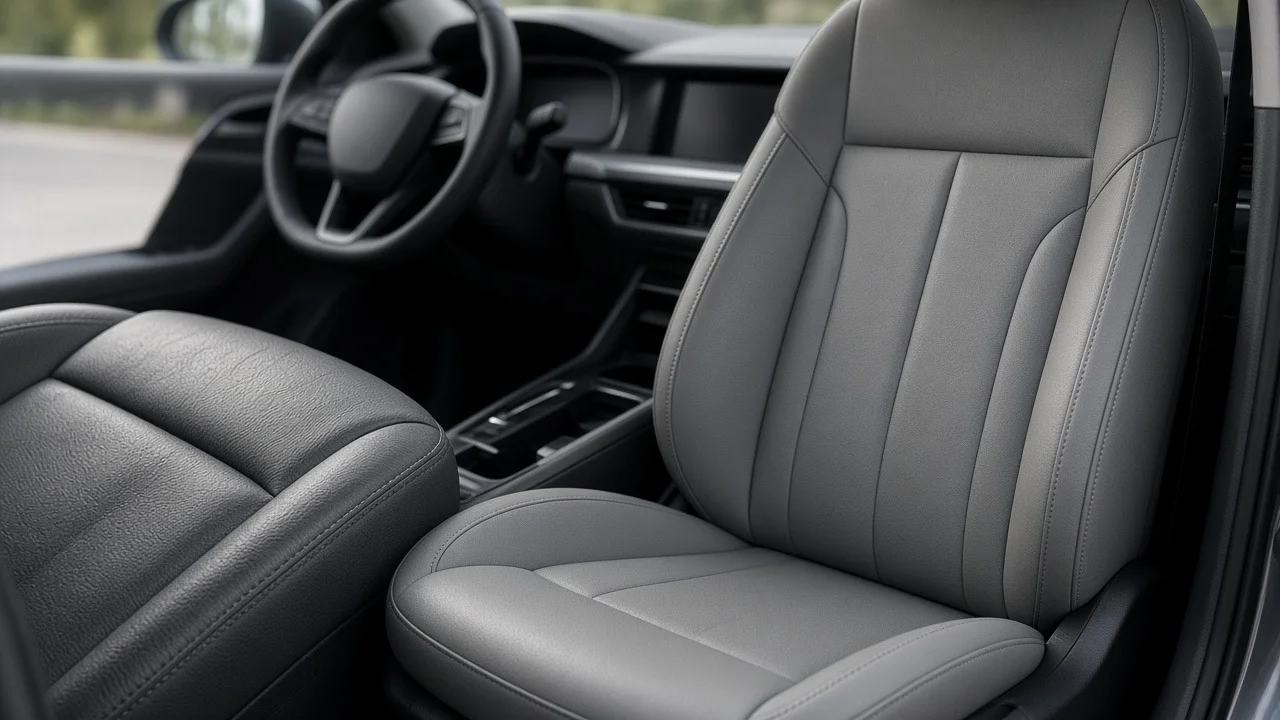
Choosing between synthetic leather and real leather car seats affects everyday comfort, upkeep, and long-term cabin appearance. The comparison is not simply about which material looks richer; it also involves heat retention, stain resistance, wear patterns, and the kind of daily use a vehicle receives. This article explains the practical differences in automotive upholstery so drivers and buyers can match a seat surface to their climate, budget, and maintenance expectations.
Direct answer
Real leather generally offers a distinctive grain, supple feel, and prestige that many buyers value, while synthetic leather delivers easier cleanup, greater resistance to spills, and often lower cost. Neither material is universally better. The better choice depends on how the car is used, where it is parked, and how much care the owner is willing to provide over years of ownership.
Because automotive leather is usually coated and treated, its character differs from furniture leather, and modern synthetic materials can closely imitate its appearance. Buyers should compare surface texture, stitching, perforation, and backing material in the actual vehicle rather than relying on appearance alone. Climate and family use typically reveal the practical differences more clearly than a showroom glance.