Steering Linkage Replacement Cost
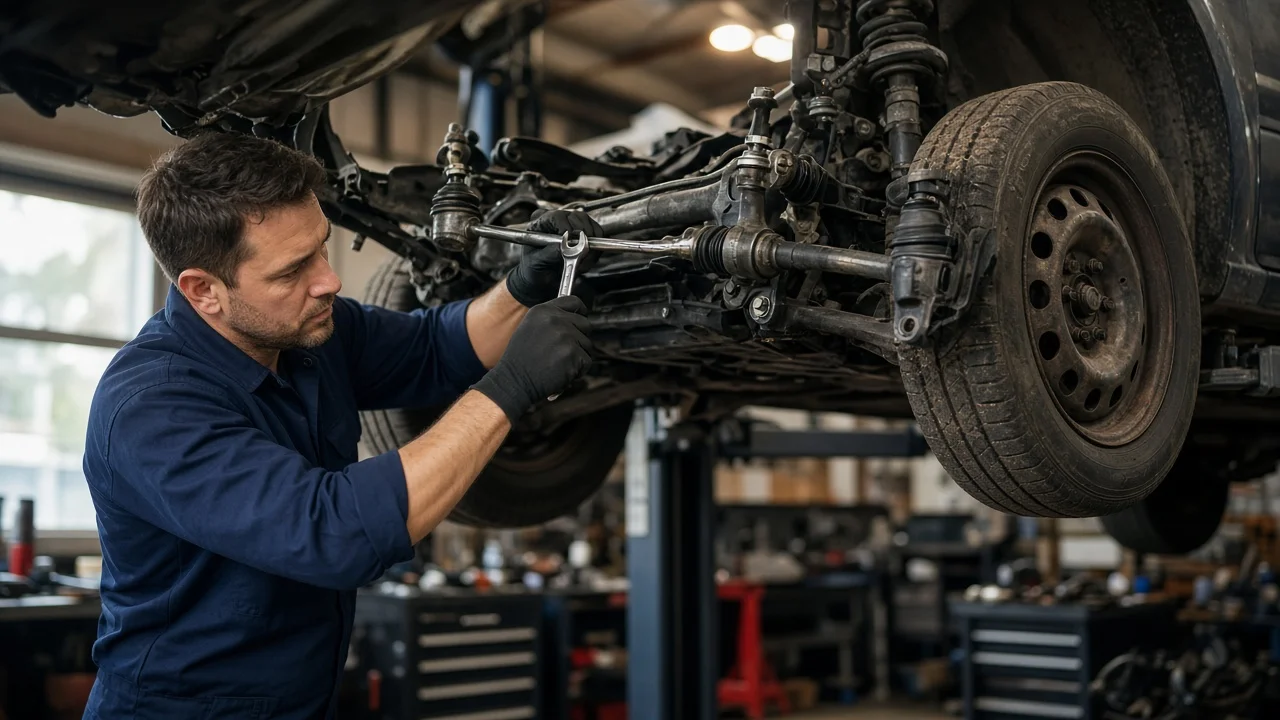
Steering linkage replacement cost depends on which parts of the linkage are worn, how your vehicle's steering is laid out, and what work has to follow the repair. A quote for one outer tie rod end is a very different job from renewing the full linkage on a truck with a center link and idler arm. This guide explains what a complete estimate covers, what moves the price, and how to compare offers fairly.
What the estimate includes
Steering linkage is the set of rods and joints that carries steering motion from the steering gear to the front wheels. On rack-and-pinion vehicles, that usually means an inner and outer tie rod on each side. On many trucks and older vehicles with a steering box, it can also include a pitman arm, a center link or drag link, an idler arm and adjusting sleeves. A quote labeled steering linkage may refer to one of these parts or to the whole system, so first confirm which components are listed and on which side of the vehicle.
A total cost normally combines parts, labor to remove and install them, a wheel alignment afterward, and shop charges such as supplies, disposal fees and applicable tax. Partial quotes often show only the part price or only the replacement labor, leaving alignment or related parts to be added later. Ask whether the figure is an out-the-door total or a starting point. Diagnosis may also be billed separately if the shop needs to inspect joint play, look for related wear or confirm the source of a noise before it can quote the repair.
What changes the cost
Steering design is the biggest factor. Replacing outer tie rod ends is usually simpler than replacing inner tie rods, which sit under the rack boots, and a parallelogram linkage has more joints that can wear. Four-wheel-drive trucks, heavy-duty suspensions and vehicles with lifted or otherwise modified ride height may need different parts or extra labor time. Rust and seized fasteners commonly add time in regions that use road salt, and a seized adjusting sleeve may need to be replaced rather than reused.
Parts choice matters as well. Original-equipment components, aftermarket brands at different quality levels, and greasable or sealed joints come with different prices and warranty terms. Labor rates vary between dealerships, independent shops and chains, and from one region to another. Inspection also often turns up related wear, such as a torn rack boot, worn ball joints or control arm bushings, or damaged mounting points. Those findings are separate repairs and should appear as separate lines rather than being assumed into the linkage price.
Compare like-for-like options
Two quotes are only comparable when they cover the same parts, the same sides of the vehicle and the same follow-up work. If one shop quotes both outer tie rod ends plus an alignment and another quotes a single tie rod end without one, the lower number is not necessarily the cheaper repair. Line the offers up by component, part brand or grade, labor hours, alignment, and warranty length on both parts and labor.
Replacing worn joints in pairs is a common recommendation when both sides show wear, but it is not automatically required; ask the technician to show the play found on each component. Rebuilding or replacing a steering rack or gear is a different repair from replacing linkage, so compare a rack offer only with another rack offer. Doing the job yourself saves labor only if you have the correct tools, can provide safe vehicle support on suitable stands at the manufacturer's lift points, and follow the model-specific procedure and fastener specification. Any approach still needs a wheel alignment afterward, because replacing tie rods or other linkage parts can change the toe setting, which affects tire wear, steering wheel centering and straight-line tracking.
Read an itemized quote
A useful quote names each part with its brand or part number, quantity and location, then lists the labor time for each operation. Check whether labor is based on published book time or actual time, whether the alignment is its own line, and whether new cotter pins, self-locking nuts or other single-use hardware are included where the manufacturer calls for them. Shop supplies, environmental fees and taxes should be visible rather than folded into a vague total.
Also look for exclusions. Common ones include extra labor for seized or broken fasteners, parts found worn after disassembly, and alignment adjustments that cannot be completed because other components are worn or bent. Ask whether the shop will stop and contact you for approval before going over the quoted amount, and whether the warranty requires any follow-up visit. Once the work is done, a printed alignment report showing before and after readings is a reasonable thing to request.
Decide the next step
Start with an inspection that identifies exactly which linkage components have excessive play or damaged boots, and give the shop your vehicle's year, make, model, engine and drivetrain so the parts match. Request written totals from at least two shops for the same scope, including alignment, and ask each one to list any related wear separately. Weigh warranty terms and part quality alongside the price.
Avoid shortcuts that put steering control at risk. If you notice clunking, wandering or looseness in the steering, have the vehicle checked promptly, and consider towing it if the steering feels unpredictable. Do not drop the alignment to lower the bill. If you work at home, never rely on a jack alone, and use the manufacturer's procedure and fastener values rather than guesses or generic figures.