Spare Tire Low Pressure Warning
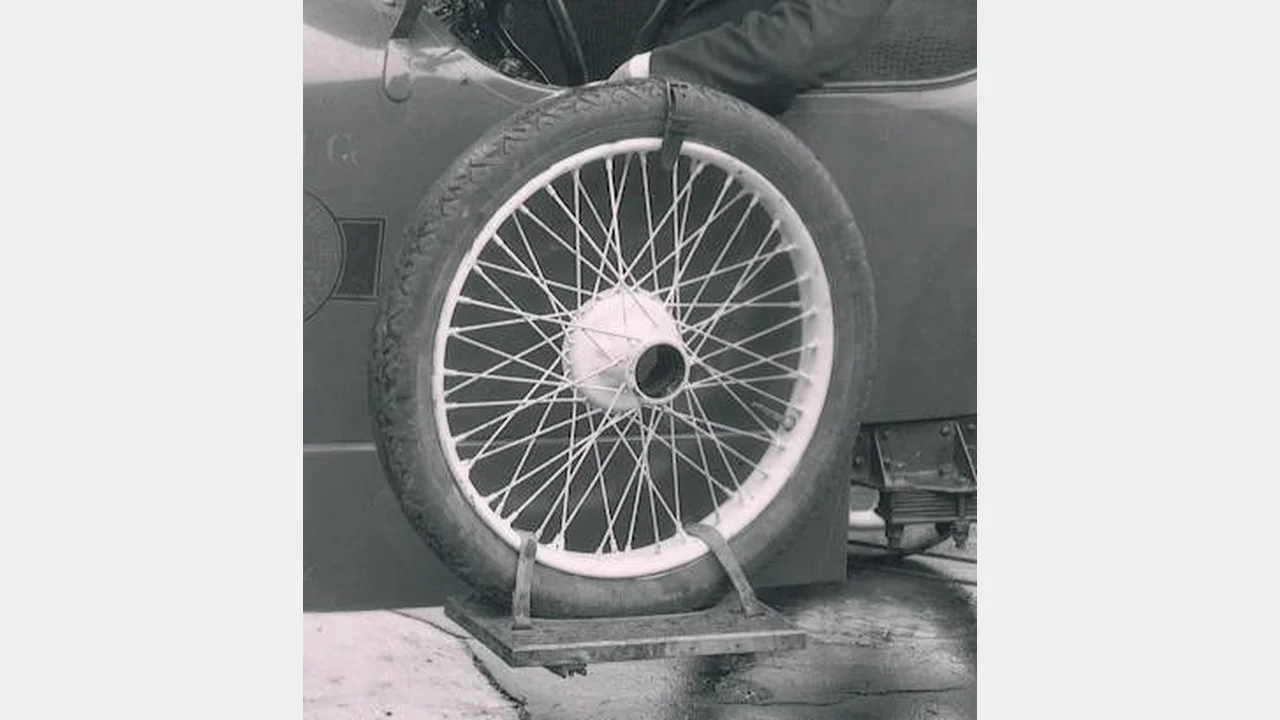
A low tire warning for the spare can be confusing because many drivers assume the system only watches the four road wheels. On vehicles with a full-size matching spare and a sensor, the spare tire low pressure warning means that the inflation pressure in the stowed spare has dropped below the threshold expected by the monitoring system. The reading matters before a roadside install and for vehicles that rotate the spare through normal tire positions. Understanding which spare type your vehicle uses, how the sensor reports pressure, and what the tire size and load index require clarifies whether the warning is a maintenance reminder or a sign of a slow leak.
Essential answer
A spare tire low pressure warning indicates that the pressure measured at the spare wheel is below the programmed alert limit, not necessarily that the tire is flat. Many systems compare the sensor signal against the inflation pressure listed on the vehicle placard. When the spare carries its own transmitter, the warning may appear even while the spare is stored under the load floor or mounted beneath the cargo area. The practical concern is readiness: a spare that has lost enough air may be unsafe or unusable when a road tire fails.
The meaning depends on whether the vehicle uses a matching full-size spare or a compact temporary spare. A full-size spare with a sensor can trigger the same pressure monitor as the road wheels, while a compact spare often lacks a compatible sensor or runs at a different pressure. Tire size, speed rating, and drivetrain compatibility also shape how the spare should be used. On all-wheel-drive vehicles, a mismatched spare diameter can stress drivetrain components, making the warning a prompt to correct pressure before the spare is needed.
Diagnosing a problem
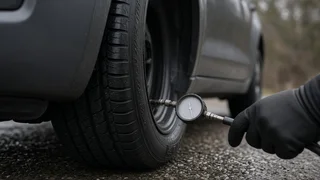
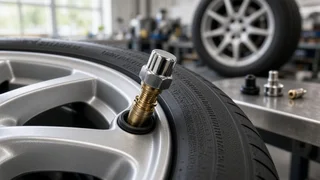
Treat the warning as evidence to investigate rather than proof that one component has failed. Start by measuring the spare with a reliable gauge and comparing the result with the vehicle placard value. A reading that is a few psi low often points to normal air migration or seasonal temperature change simply lowering inflation pressure. A repeated drop after refilling suggests a slow leak at the valve core, bead, or tread area. The sensor itself can also report incorrectly if its battery weakens or if the spare has been moved and is no longer being read reliably.
Observing how the alert behaves helps separate causes. If the warning clears after adjusting pressure and stays away for weeks, the issue was likely underinflation. If the warning returns with the same pressure loss pattern, inspect the tire for punctures, cracking, or valve damage before relying on it as a roadside replacement. A stored spare can lose air without visible tread damage, so checking tread depth and sidewall condition while it is accessible is worthwhile. When the spare is a compact temporary tire, confirm that the warning system is actually designed to monitor that wheel, because some vehicles only alarm for the four active positions.