Milton Low Pressure Tire Gauge
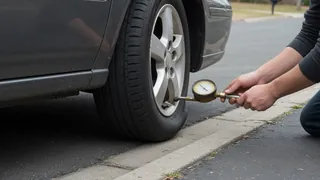
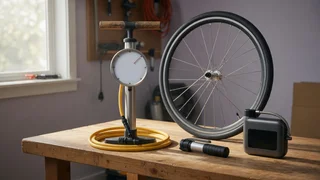
A Milton low pressure tire gauge is useful when you need to read small inflation changes in off-road tires, trailer tires, lawn equipment, or other applications where a standard passenger-car gauge may not provide enough resolution. Choosing the right tool comes down to range, scale clarity, and how well it seats on the valve stem. Since low-pressure readings can shift with temperature and vehicle load, the gauge should be easy to use accurately at the pressure range shown on the vehicle placard.
The direct answer
Look for a gauge with a range appropriate for the tire you are checking. Many low pressure gauges read from zero to roughly 15 or 20 psi, though product ranges vary. The useful answer is that you want the expected inflation pressure to fall in the middle portion of the dial or scale, not at the extreme bottom. That positioning improves readability and reduces the chance of misreading a small change on a tire that may operate at only a few psi.
A low pressure gauge is most valuable when inflation pressure needs careful control because tire size, load index, and driving surface interact. Wider tires on lighter vehicles can change footprint significantly with a pound or two of pressure. The gauge should make those small differences visible. Confirm that the chuck fits the valve stem securely, since a slow leak during measurement can produce a reading below actual pressure and lead you to overinflate the tire.