Water in Spare Tire Well: Causes and How to Find the Leak
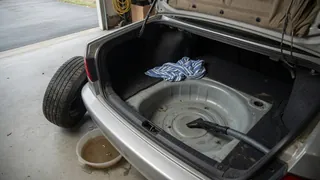
Finding standing water in the spare tire well is frustrating, and the low point of a trunk or cargo area naturally collects moisture that has traveled from distant parts of the body. The puddle may appear after rain, a car wash, or long periods of damp weather, but the source is not always directly above the well. Water can follow interior trim panels, wiring grommets, or body seams before settling around the spare. Identifying the entry path early helps prevent mold, corrosion, and damage to tools or emergency equipment stored in that recess.
Direct answer
Water in the spare tire well usually enters through a failed seal, a blocked drain path, or a body opening that allows runoff to reach the interior. Common causes include taillight gaskets, trunk or hatch weatherstripping, sunroof drains, vent flaps behind the bumper cover, and seam sealer cracks in the rear body. The well itself is simply the lowest catch basin, so moisture can come from a roof rail, rear glass, or a side aperture before running down under the load floor.
The first useful step is not guessing at one part but tracking the water path. Dry the area thoroughly, place absorbent paper around the sides and floor, and then wet the vehicle in sections with a garden hose or run it through a car wash. The highest wet trail usually points toward the leak. Because some models have known trouble spots, searches for a specific vehicle like a 2016 Honda HR-V, Ford Escape, or Mazda 3 often reflect repeat patterns, but the diagnostic order remains the same.
Identification and location
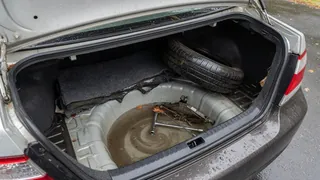
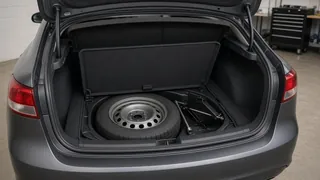
To locate the leak, remove the spare, jack, and any trunk floor panels so the metal well is fully visible. Inspect the surrounding body for water staining, rust trails, or clean streaks that cut through dust. On a Honda CR-V, Honda Fit, or Honda Civic, pay attention to the rear body seams behind the bumper and the grommets where the wiring harness passes through the floor. A Jetta SportWagen or Ford Explorer may route the tailgate drainage past the rear lamp housings, so a wet carpet edge far from the puddle can still be relevant.
Vehicle design determines which areas deserve close attention. The spare tire well in a Honda Accord or Chevy Malibu sits between the rear wheel arches and the rear body panel, where seams and vent openings are close to road spray. In a Ford Escape or 2016 Honda HR-V, the rear hatch opening and roof line can channel water down the D-pillar and into the cargo floor. Look for loose trim clips, cracked seam sealer, and distorted rubber plugs; a small gap can admit a surprising amount of water when airflow creates low pressure at highway speed.
Practical steps
Begin by drying the spare tire well and laying clean paper towels along the floor, vertical walls, and any body seams. Close the hatch or trunk, then have a helper run water over one section at a time while you watch from inside with a flashlight. Start low at the taillights and bumper, then move to the hatch glass, roof seams, and roof rails. If a sunroof is present, pour a small amount of water into each front and rear drain channel and verify that it exits near the wheel or bumper rather than soaking the headliner or cargo area.
When the paper shows a wet path, remove nearby trim to confirm whether the moisture is coming from a gasket, grommet, seam, or clogged drain. Some leaks only appear when the vehicle is parked at a certain angle or when water pools in a roof channel, so repeat the test in the position that matches the original puddle. Repair choices should follow the evidence, not a code or a guess: clean and reseat a gasket, clear a restricted drain, or reseal a visible crack. If the path remains hidden, a professional water-leak test with interior disassembly may be the next step.