Smallest Cars for Limited Parking Space: 10 Models to Measure Against Your Spot
The short answer
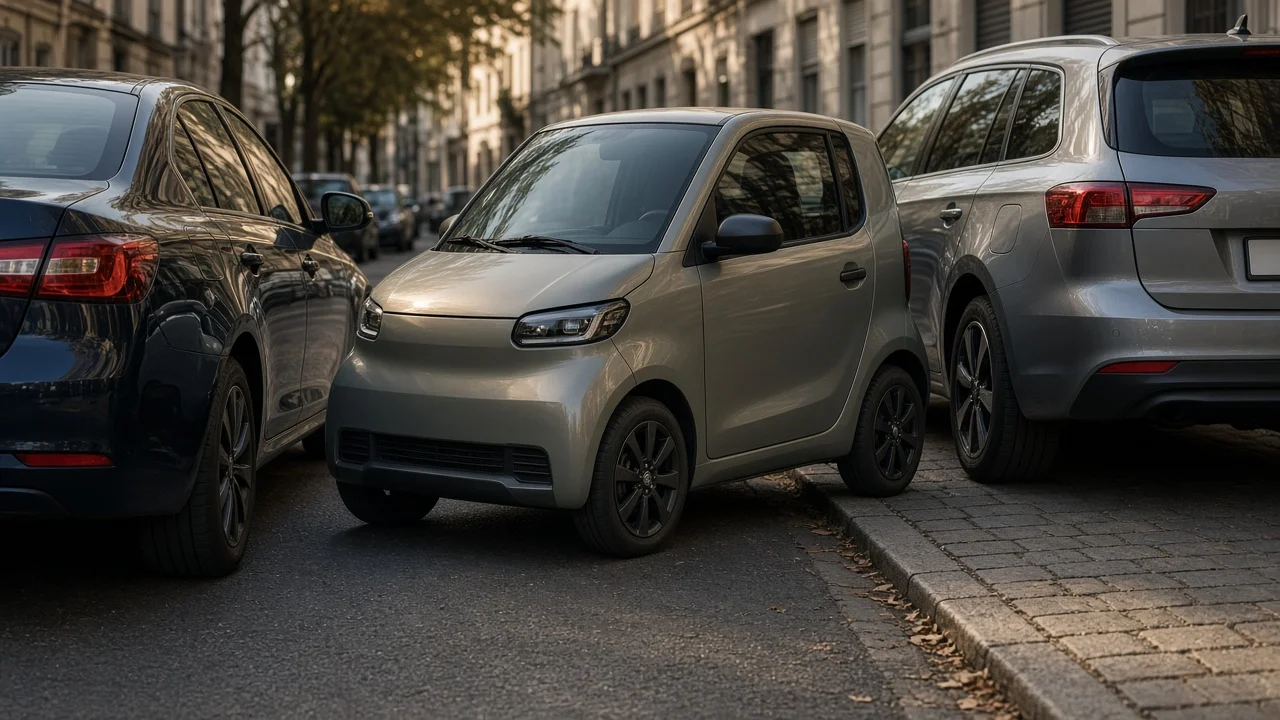
If a parking space is your main constraint, the smallest options are the two-seat city cars, the smart fortwo and the Scion iQ. Next come the four-seat minicars and small hatchbacks: the Fiat 500 and 500e, the two-door Mini Cooper Hardtop, the Chevrolet Spark and the Mitsubishi Mirage. Two conditions change which of these is right for you. The first is whether you need to buy new: many of the shortest cars are no longer sold new in the US, so several picks below are used-only depending on model year. The second is which dimension your space actually limits. Length, width, height and turning ability each favor different cars.
Which dimension does your space limit?
Before comparing cars, work out what makes your space tight. A short curbside gap or shallow garage calls for low overall length. A narrow garage or a slot between pillars means width and door-opening room matter more. A low garage door, carport or parking structure makes height the deciding number. A cramped alley or a lot with tight turns means turning circle, the diameter of the smallest U-turn the car can make, can matter more than size itself. A car that wins on one of these can lose on another, so a generic list of the smallest cars is only a starting point.
10 small cars worth measuring against your space
The list below is grouped by size class rather than ranked by exact length. Published dimensions vary by model year, generation, trim and market, and some of these cars changed size noticeably between generations. Confirm the figures for the exact year and trim you are considering.
smart fortwo (used): A two-seater and the shortest mainstream car sold in the US in recent decades. It suits tight curbside gaps and nose-in parking in very small spaces. It has two seats and little cargo room, and parts and service support varies by area. Scion iQ (used): A very short car with a small rear seat best treated as occasional or cargo space. It offered a tight turning circle for its era and was sold for only a few model years. Fiat 500 (used, gasoline): A four-seat minicar that is short and easy to place in city spaces. Rear seat and cargo space are limited. Fiat 500e (electric): The electric version of the same size class. If you can only park on the street, check whether you will have reliable access to charging. Mini Cooper Hardtop 2-door (new and used): Short for a car with a usable rear seat. Newer generations have grown compared with older ones, so the model year matters. An electric version has been offered in some years. Chevrolet Spark (used): A small four-door hatchback that is short and narrow. It is practical in tight spaces if you can accept modest power and highway refinement. Mitsubishi Mirage hatchback (new or used, depending on year): A small, light hatchback with a reputation for a tight turning circle. A sedan version, the Mirage G4, is longer, so check which body style a listing describes. Toyota Yaris hatchback (used): A compact hatchback that is longer than the minicars above but still easy to park. Several generations exist, and the sedan versions are noticeably longer. Honda Fit (used): Slightly longer than the smallest cars, but with flexible rear seats and a surprisingly large cargo area for its size. A good fit if you need small exterior dimensions and real carrying capacity. Kia Rio or Hyundai Accent hatchback (used): Mainstream subcompact hatchbacks that are shorter than their sedan siblings. They suit drivers who want a conventional small car rather than a city car.
Small crossovers marketed as compact SUVs are generally longer, wider and taller than the cars above. They are rarely the best choice when parking space is the main concern, though their higher seating position can make placing the car easier for some drivers.
How to read vehicle dimensions on a spec sheet
Specification | What it tells you | What to check; Overall length | Bumper-to-bumper size. This is the key figure for curbside gaps and shallow garages | Front and rear bumper designs can differ by trim, so use the figure for your exact trim; Width | Body width, often quoted without mirrors | Look for a width-with-mirrors figure, or measure mirror to mirror on the actual car; Height | Roof height, usually without roof rails or racks | Add any roof rails, antennas or racks, and compare against the lowest point of your garage door or structure; Turning circle | The smallest U-turn diameter | Curb-to-curb and wall-to-wall figures differ, so compare like with like; Wheelbase | Distance between front and rear axles | A longer wheelbase usually means a wider turning circle and a ride that is less choppy; Ground clearance | Space under the car | Relevant for steep driveway ramps and parking stops, not just off-road driving
Measure your space properly
Measure the available clearance yourself rather than relying on a nominal space size. In a garage, measure from the inside of the closed door to the wall or to any shelving, the water heater or the workbench. Measure width between the narrowest obstructions, and measure height at the lowest point the car will pass under, which is often the open garage door or the opener rail.
Then leave room to use the car. You need space to open at least one door far enough to get out, room to walk past the car, and some margin at each end so you are not parking to the inch every day. For curbside parking, the gap you need is the car's length plus enough maneuvering space to get in and out. That depends on your skill, the car's turning circle and whether it has parking sensors or a camera.
Check local rules before you buy
A smaller car does not exempt you from parking restrictions. Posted signs, residential permit zones, street-cleaning schedules, time limits and rules about parking near driveways, hydrants or corners apply regardless of vehicle size. Some lots and garages have spaces marked for compact cars. What qualifies as compact is set by the facility, and not every small car will meet a given operator's definition.
Homeowners associations, apartment complexes and condo garages may also have their own local rules on assigned spaces, overhang into walkways, or where electric vehicles may charge. If your plan depends on fitting a car into a particular space, confirm the rules for that space before you commit to a purchase.
Ownership trade-offs of very small cars
Passenger and cargo space: The shortest cars often have two seats or a rear seat suited only to short trips. If you sometimes carry passengers or bulky items, a slightly longer hatchback may serve you better than the absolute smallest car. Highway comfort: Short, light cars tend to be noisier and more affected by crosswinds and rough pavement at highway speeds. Engines in the smallest gasoline models can feel strained when merging or climbing. Crash physics: Smaller, lighter vehicles are at a physical disadvantage in collisions with larger, heavier ones. Crash-test ratings are most meaningful when comparing vehicles of similar size and weight. Check the ratings for the specific model year. Used-market considerations: Because many of the smallest models are out of production, you may be choosing among older vehicles. Check maintenance history, open recalls and local parts and service availability, especially for low-volume models. Electric versions: Small electric cars can suit city driving well, but without home or workplace charging, ownership depends on public charging near where you park.
Pre-purchase checklist for tight parking
Identify the limiting dimension of your space: length, width, height or turning room. Measure your space, including door-opening room and the lowest overhead clearance. Confirm the dimensions for the exact model year, body style and trim, including width with mirrors. Compare turning circle figures using the same measurement method. Check posted signs, permit rules, and any facility or HOA rules for the space you will use. If you are buying used, run a recall check and review the service history. If possible, test-park the car in your actual space or a similar one before buying.
Choosing your next step
If you only need to fit a very short space and rarely carry passengers, start with the two-seat city cars on the used market. If you need four seats and are open to new or used, start with the Mini Hardtop 2-door, the Fiat 500 or 500e, and the Mirage hatchback. If cargo matters as much as size, put the Honda Fit and the subcompact hatchbacks on your shortlist. In every case, measure first, then confirm the figures for the specific car you are considering.