Smallest New Cars for Tight Parking Spaces
The short answer
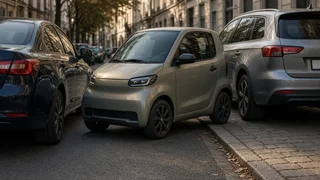
In the US market, the smallest new cars are generally found among subcompact hatchbacks and city cars, a class that can include both gasoline and electric models. However, the car with the shortest overall length is not always the easiest to park. For a tight space, the measurements that matter most are width including mirrors, turning circle and length, and those can vary by model year, trim, wheel size and body style.
This article does not rank specific models. No current model-year lineup, dimensions or prices were verified for it, and US availability in the smallest-car segment changes as models are discontinued or introduced. Use the checks below to compare whichever cars are on sale when you shop, using the manufacturer's published specifications for the exact version you are considering.
Measure your parking space first
Knowing your actual limits turns a vague goal like "small car" into numbers you can compare against specification sheets.
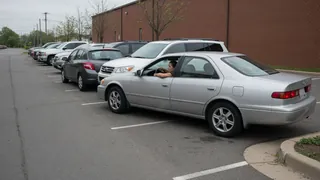
Measure the usable length of the space, from any wall, post or curb stop to the point you cannot cross, such as a sidewalk edge or garage door line. Measure the usable width between obstacles such as pillars, walls or neighboring parking lines. Subtract the room you need to open a door and get out. If you must exit on a side with a wall or pillar, that clearance matters more than the car's width. Check for low overhead clearance or a steep ramp in a garage, which can matter for taller vehicles or those with low front bumpers. Note how you enter the space: a straight pull-in, a tight turn from a narrow aisle, or parallel parking on a street. Each puts weight on a different measurement.
Which specifications matter and what they mean
Specification | What it means | Why it matters in tight spaces; Overall length | Bumper-to-bumper distance | Determines whether the car fits a short space and how much room you need to parallel park; Overall width (with and without mirrors) | Body width; some makers also publish a figure that includes the side mirrors | The figure with mirrors is the one that decides whether you clear pillars and narrow gates; Turning circle (turning diameter) | The diameter of the smallest circle the car can drive in at full steering lock; some makers quote curb-to-curb, others wall-to-wall | A smaller figure makes tight turns into spaces and U-turns in narrow aisles easier; Wheelbase | Distance between front and rear axle centers | Often influences turning circle and how much the car's corners swing out; Height | Ground to the highest point of the body, sometimes excluding roof rails or antennas | Relevant for low garages and some mechanical parking systems; Door design | Number and length of doors | Two-door cars often have longer doors that need more side clearance to open fully
When comparing turning circles between brands, confirm whether each figure is curb-to-curb or wall-to-wall. Wall-to-wall figures are larger because they account for the body overhanging the wheels, so mixing the two produces a misleading comparison.
Why the exact version matters
Dimensions published for a model name may not apply to every car sold under it. Before relying on a figure, confirm it matches the model year, trim, body style and powertrain you plan to buy.
Larger optional wheels can increase the turning circle on some models. Body kits, sport bumpers or trailer hitches can add length. Electric and gasoline versions of the same model may differ in dimensions. Hatchback, sedan and convertible versions of a model can differ in length and height. A redesign for a new model year can change dimensions even when the name stays the same.
Features that make small spaces easier
Size is only part of the picture. Equipment can make a slightly larger car easier to park than a smaller one without it. Availability of these features usually varies by trim and package, so check the specific window sticker or build configuration.
A rearview camera, which is required on new US passenger vehicles. Surround-view or multi-angle camera systems are often optional. Front and rear parking sensors that sound or display a warning as you approach an obstacle. Power-folding side mirrors, which reduce effective width once parked. Automated parking assistance on some models, which can steer into spaces. Good outward visibility, including window size, pillar thickness and how clearly you can judge the front corners from the driver's seat.
Trade-offs of choosing the smallest car
A smaller footprint usually means less cargo space and a tighter rear seat. Some of the smallest cars have only two seats or very limited rear legroom. If you regularly carry passengers, sports equipment or large shopping loads, check cargo volume and rear-seat dimensions alongside parking measurements.
Crash protection also varies by model. Rather than assuming a small car is less safe or just as safe, look up the crash-test results that NHTSA and the IIHS publish for the specific model year you are considering. Also consider how much highway driving you do, since engine output, cabin noise and ride comfort differ widely in this class.
A practical next step
Write down the usable length, width and door clearance of your space. List the small cars currently sold in your area for the model year you want to buy. Collect length, width with mirrors and turning circle from each manufacturer's published specifications for your intended trim and wheel size. Remove any car that exceeds your space limits, then compare the rest on cargo room, safety ratings and parking aids. If possible, ask the dealer whether you can try parking the car in a space similar to yours, or measure your space against the actual vehicle before you buy.
What this article could not confirm
No verified data was available on which specific models are currently sold in the US, their exact dimensions, turning circles, prices or trim-level equipment. Treat any ranking of the smallest new cars as valid only for the model year and market it states, and confirm figures with the manufacturer or dealer before making a decision.