Replacing an In-Tank Fuel Pump With an External Pump

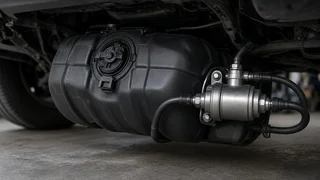
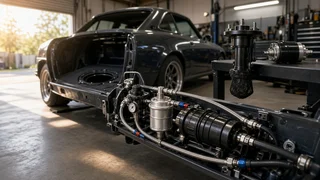
Some owners consider moving fuel delivery outside the tank when an in-tank unit fails or becomes hard to access. The idea seems simple: mount a separate electric pump in the fuel line and abandon the original module. In practice, this conversion changes fuel pressure behavior, suction characteristics, filtration, and return-line plumbing. For most modern fuel-injected vehicles, the in-tank design is not just a convenience. It supports cooling, priming, vapor handling, and consistent flow. An external pump can work in some custom or older systems, but it introduces different failure modes and installation requirements that deserve careful evaluation before cutting any line.
Essential answer
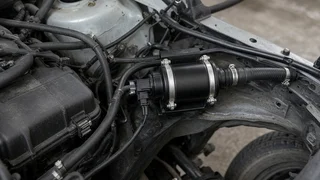
Replacing an in-tank fuel pump with an external pump is generally not a drop-in repair. The in-tank module is submerged so the pump stays cool, remains primed, and pushes fuel through the sending unit and filter to the injector rail. An external pump typically pulls fuel from the tank through a pickup and must overcome line resistance before it can build pressure. Air leaks on the suction side, a weak seal at the pickup tube, or a partially clogged pre-filter can create vapor pockets and unstable delivery even when the pump itself is healthy.
A direct answer depends on the fuel system. Carbureted vehicles that need low pressure may tolerate an external low-pressure pump if the pickup and return are configured correctly. Port-injected engines expecting stable high pressure are less forgiving because fuel trim and injector pulse width assume consistent rail pressure. If the tank is rusty, damaged, or lacks a clean bottom pickup, an external pump may simply move the starvation problem outside. The conversion also requires proper mounting below the lowest fuel level, secure wiring, and a relay or oil-pressure safety circuit.