In-tank vs inline (external) fuel pump
Comparing an in-tank fuel pump with an inline external unit matters when you are diagnosing fuel delivery, planning an upgrade, or replacing a worn pump. The right choice depends on how the pump is mounted, cooled, and connected to the fuel system. Both designs can maintain adequate fuel pressure for the injectors, but they behave differently in packaging, noise, heat management, and service access. Understanding those trade-offs helps you avoid guessing and choose the arrangement that fits the vehicle's needs.
Direct answer
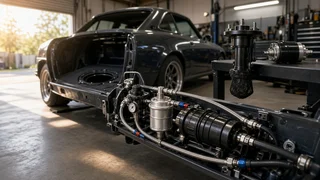
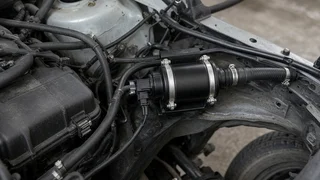
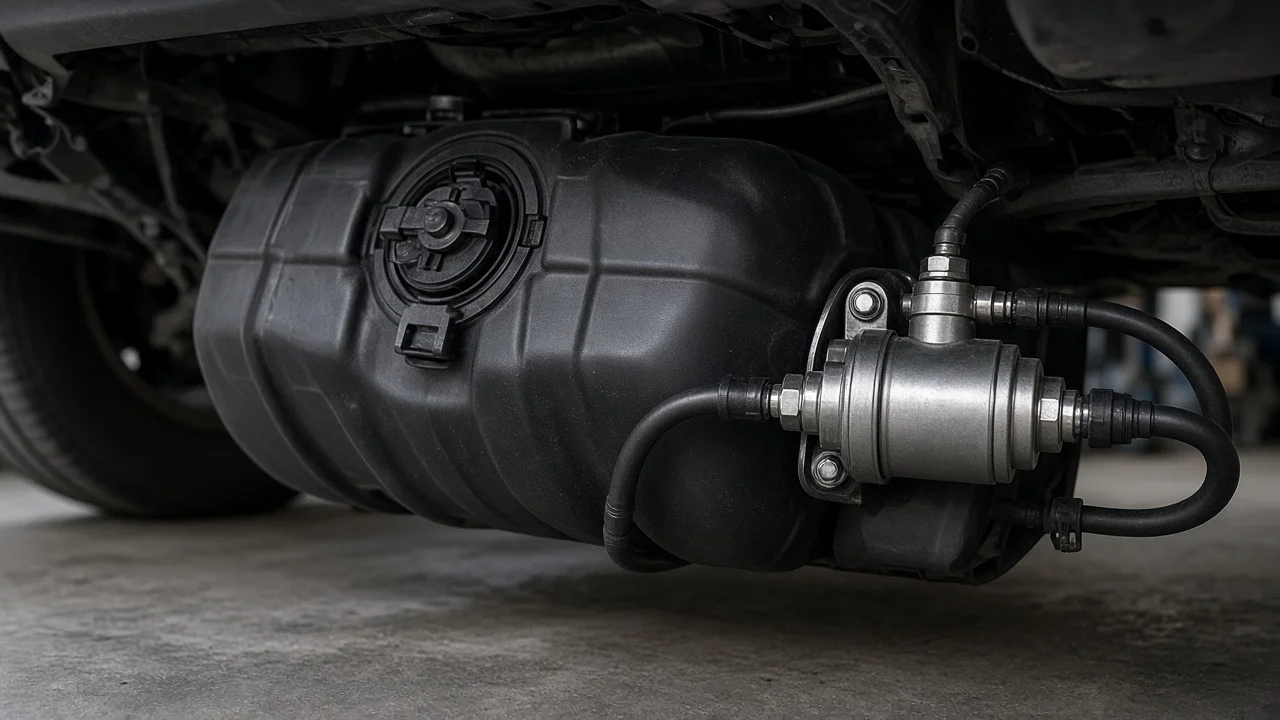
In most modern vehicles, the factory fuel pump sits inside the tank, where it is submerged in fuel and often integrated with the sending unit. An inline or external fuel pump is mounted along the fuel line outside the tank, usually closer to the engine bay or frame rail. The immediate answer is that an in-tank pump is the standard setup for typical street vehicles because the surrounding fuel cools the motor, suppresses noise, and simplifies a compact factory package. An external inline pump is more common when a tank was not designed for an internal module or when a vehicle uses a custom fuel system with different pressure and flow needs.
The comparison is not simply one part being better than the other. An in-tank arrangement protects the pump from road debris and keeps the pickup near the lowest point of the tank, but replacement can require fuel tank removal. An inline pump can be easier to access and replace, yet it must be mounted low enough to maintain a reliable fuel supply and may transmit more mechanical noise through the frame. The better choice depends on whether you are preserving a factory design, repairing a known fault, or changing fuel system components.