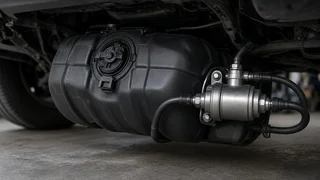
Replacing an in-tank fuel pump with an inline pump
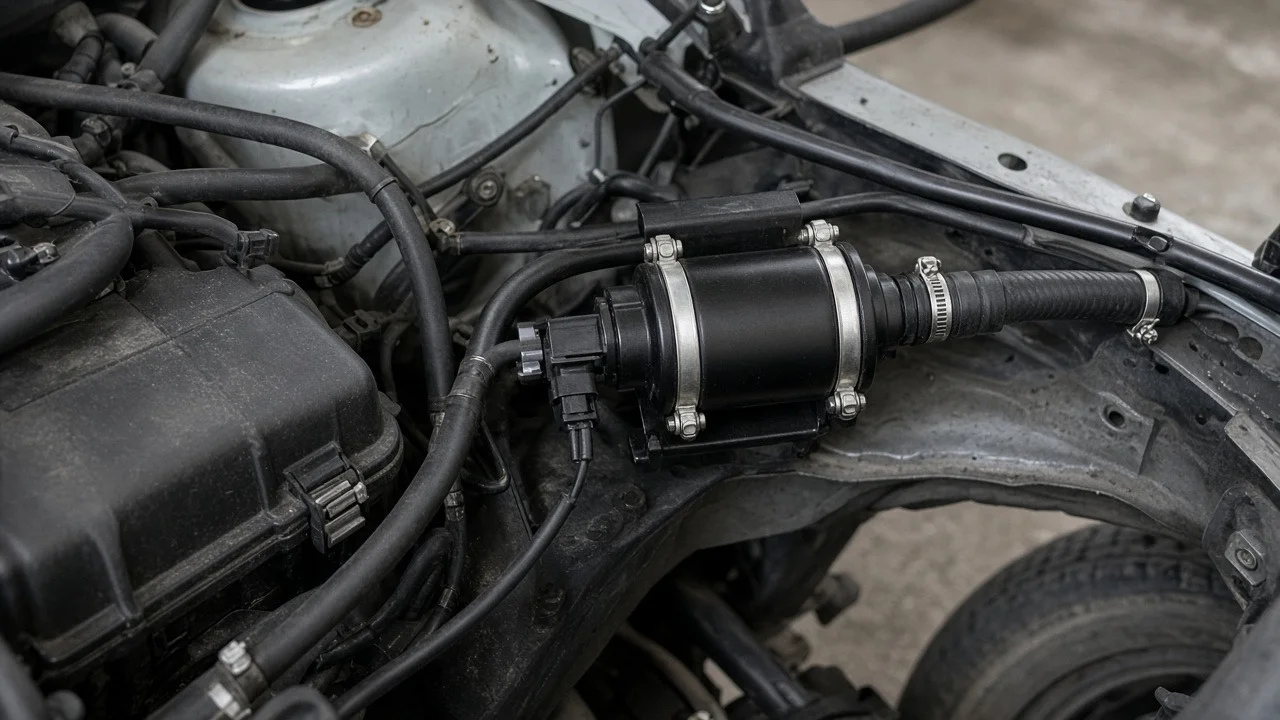
Swapping the factory in-tank pump for a remote inline unit may look like a simple plumbing change, but it alters fuel delivery in ways that affect pressure, hot starting, and pump longevity. Owners often consider this route when a stock module is difficult to access, to simplify future service, or to support a custom fuel system. The swap is technically possible on many return-style systems, yet it is not a one-for-one exchange. Success depends on pickup placement, lift capability, filtration, fuel pressure control, and how the existing tank internals are reused.
Essential answer
You can replace an in-tank fuel pump with an inline pump, but the factory sending unit, pickup, and fuel level mechanism must usually remain in the tank. The inline pump then draws fuel through that existing assembly. This works best when the replacement pump is mounted close to the tank, below the fuel level, and is designed to pull fuel rather than only push it. A pump mounted high or far away may starve, overheat, or lose prime after the vehicle sits.
Fuel pressure is the first compatibility question. The inline pump must match the system pressure the injectors and fuel pressure regulator expect, and the regulator still controls pressure at the rail on many return-style setups. The pump needs adequate flow at that pressure, not just a high free-flow rating. Also consider whether the vehicle uses a returnless system, where pressure is often regulated electronically at the module; converting that arrangement is more complex than adding an external pump to an older return-line fuel system.