Converting an in-tank fuel pump to external/inline
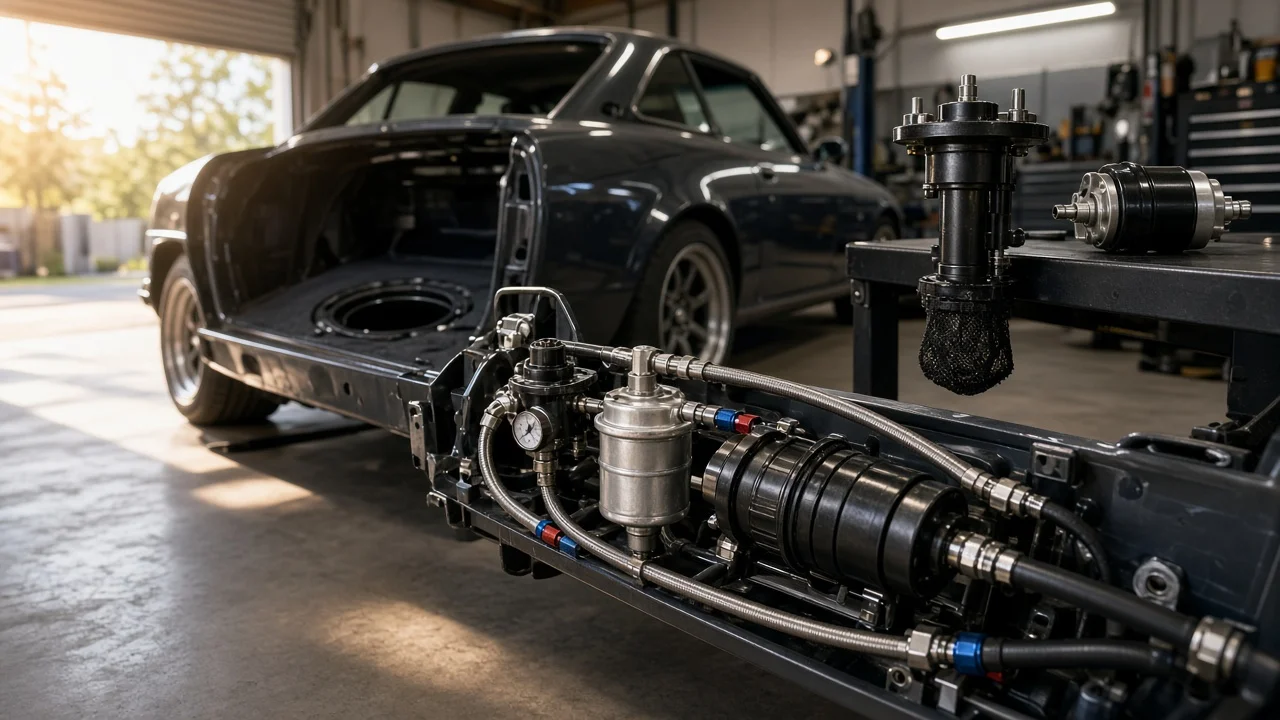
Converting an in-tank fuel pump to an external or inline arrangement changes where fuel pressure is generated and how the supply plumbing is routed. The in-tank module combines the pump, sending unit, and often a strainer inside the fuel tank, while an external setup places the pump along the frame rail or near the tank. Owners consider this when the original module is difficult to service, when a custom fuel system is being built, or when packaging constraints make the stock location inconvenient. The conversion affects pump inlet conditions, wiring, filtration, and return-line behavior, so the work should be evaluated as a fuel-system revision rather than a simple component swap.
Essential answer
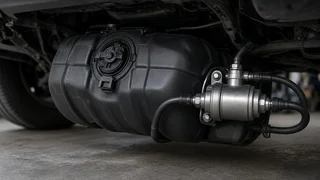
The essential answer is that an in-tank arrangement can be converted, but the change must respect how the fuel pump is fed and cooled. An electric pump in the tank is surrounded by liquid, which helps damp noise and carries away operating heat. Moving that same style of pump outside the tank does not automatically preserve those benefits. An inline pump must be mounted below or near the lowest expected fuel level so gravity and siphon action keep the inlet primed. The conversion also requires a suitable pickup inside the tank, a high-quality fuel filter before the pump, and secure plumbing rated for the fuel pressure expected at the injector rail.
A practical conversion usually keeps some in-tank components, such as the pickup tube or a modified hanger assembly, while relocating the pressure source. If the stock module is removed, the replacement pickup should draw from a low point and avoid uncovering during cornering or hard acceleration. Wiring for the relocated pump must match the system voltage and current draw, and the original in-tank wiring pass-through should be sealed properly so vapor does not escape. Because pump orientation and inlet restriction affect pressure more than the absence of the tank housing, the conversion can work when the external pump is selected and mounted with attention to inlet vacuum and steady fuel delivery.
Procedure
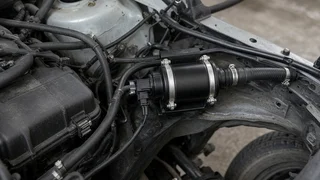
Begin by relieving residual fuel system pressure and disconnecting the battery, then identify whether the tank uses a service access cover or must be lowered. The existing in-tank module should be removed carefully so the sending unit and return port can be reused or replaced. A pickup tube with a strainer is installed at the low point, and the wiring bulkhead is sealed. Outside the tank, the inline pump is mounted on an isolated bracket away from exhaust heat and road debris. Use short, unrestricted inlet hose and a pre-filter with a mesh fine enough to protect the pump but not so restrictive that it creates high inlet vacuum or vapor formation.
Route the pressure line to the engine using fuel-injection-rated hose and fittings, and connect any return line so fuel can circulate through the regulator. After the plumbing is complete, cycle the pump without starting the engine to check for leaks at every fitting, especially at the tank bulkhead and the pump inlet. A fuel pressure gauge at the rail should hold a stable reading while the pump runs, and a restart followed by a short drive can confirm that pressure does not fall under load. Any fuel odor or wet fitting requires immediate correction before the system is returned to regular use.