Replace 2015 Toyota Camry Brake Pads
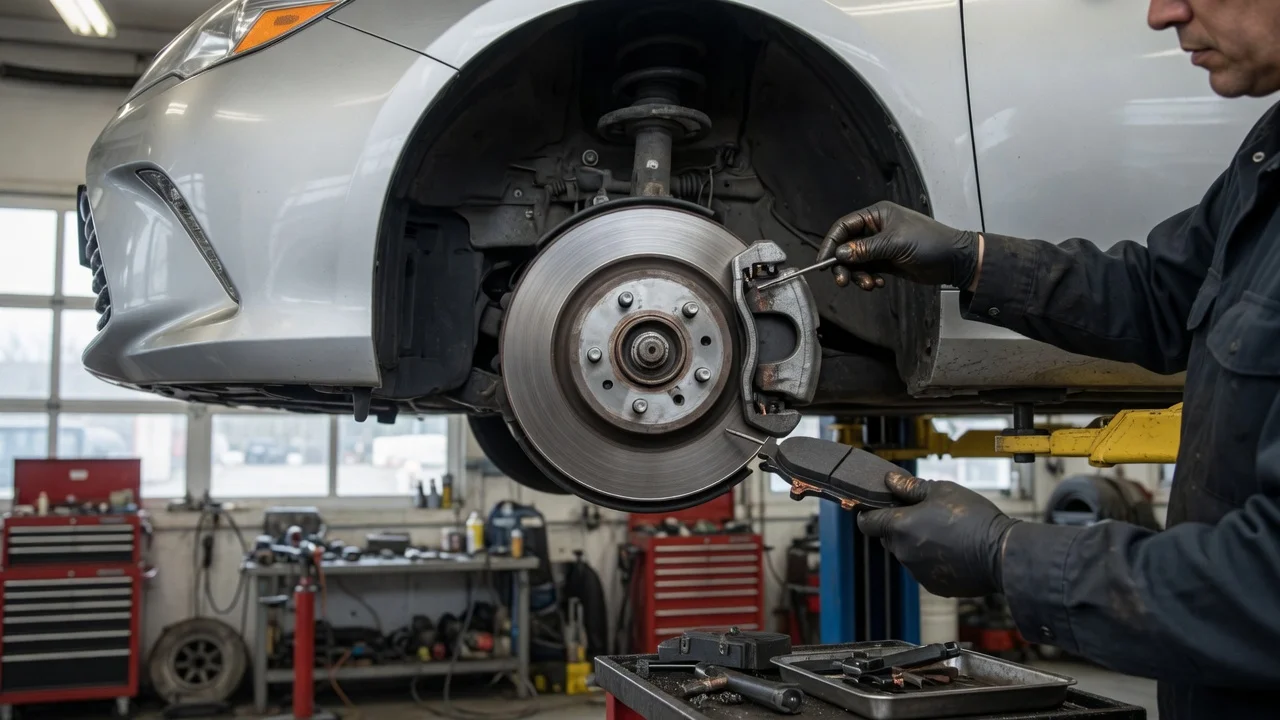
Replacing the brake pads on a 2015 Toyota Camry is a routine job that a careful owner with basic hand tools, a jack and jack stands can usually do at home. On each wheel, the work involves removing the wheel and the caliper slide bolts, swapping the old pads and their hardware for new parts, pushing the caliper piston back, and reassembling everything to the factory torque values. Two points change that answer: the Camry Hybrid needs extra precautions because of its electronically controlled braking system, and the exact torque figures, minimum pad thickness and part numbers for your car should come from Toyota service information or the pad manufacturer. This guide does not supply those numbers.
Which 2015 Camry This Applies To
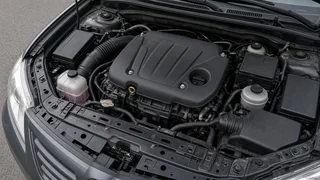
The 2015 model year belongs to the Camry generation that launched for 2012 and was restyled for 2015. That year was sold with a four-cylinder gasoline engine, a V6 and a Hybrid powertrain. The basic pad replacement method is the same for all of them, but brake parts can differ by powertrain and trim. Order pads by your exact trim, or by your VIN, and don't assume that a pad listed for one 2015 Camry fits every version.
When the Pads Need Replacing
Pads need replacing when the friction material has worn to the minimum thickness in Toyota's service data. Some pads have a metal wear indicator that makes a high-pitched squeal when the pad is nearly worn out. Grinding noises, a pulsing pedal or longer stopping distances are signs to inspect the brakes right away. Grinding in particular can mean the pad backing plate is touching the rotor, which damages the rotor.
What the Job Involves
1) Park on level ground, chock the wheels that stay on the ground, loosen the lug nuts, raise the car at the lift points shown in the owner's manual, and support it on jack stands. Never rely on the jack alone. 2) Remove the wheel. 3) Remove the caliper slide bolts and lift the caliper off the pads. Hang the caliper so its weight does not pull on the brake hose. 4) Remove the old pads, the anti-squeal shims and the pad support clips that sit in the caliper bracket. 5) Inspect the rotor for scoring, cracks, heat discoloration and a ridge at the outer edge. Measure its thickness and compare it with the minimum in the service data. This figure is often cast or stamped on the rotor. 6) Clean the bracket where the pads sit, fit new support clips, and lubricate the slide pins and the pad contact points with a brake-specific grease. Keep grease off the friction surfaces. 7) Push the caliper piston back into its bore. Watch the brake fluid reservoir, because the fluid level rises as the piston retracts. 8) Fit the new pads and shims, reinstall the caliper, tighten the slide bolts to the factory torque, and refit the wheel. Tighten the lug nuts to the specified torque in a crisscross pattern. 9) Before driving, pump the brake pedal until it feels firm, because the pistons must move back against the pads. Then recheck the fluid level. 10) Bed in the new pads using the pad manufacturer's procedure, which usually means a series of controlled moderate stops.
Work on one side at a time so the other side is available as a reference. Front pads usually wear faster than rears, but check both axles. On the rear axle, look up in the service information whether the piston pushes straight back or has to be rotated as it retracts. Forcing a piston the wrong way can damage the caliper.
Extra Caution for the 2015 Camry Hybrid
The Camry Hybrid uses regenerative braking together with an electronically controlled hydraulic brake system. On Toyota hybrids of this kind, the system can build brake pressure on its own, for example when a door is opened or the brake pedal is pressed, even with the car switched off. That can move the caliper pistons while the calipers are apart. Toyota service procedures describe how to disable or isolate the system before brake work, and the steps depend on the model. Follow the procedure for the 2015 Camry Hybrid before you remove a caliper. If you can't confirm the procedure, have the pads replaced by a shop that services Toyota hybrids.
Pads, Rotors and Hardware
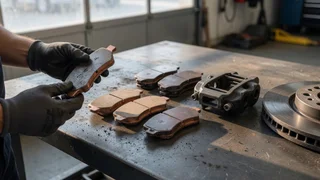
Most aftermarket pads for this car are ceramic or semi-metallic. Ceramic pads generally produce less visible dust and noise. Semi-metallic pads are often chosen for heavier use but tend to be noisier and dustier. These are general traits of the two categories, not test results for any specific Camry pad. Replace the pads on both sides of an axle together. Install new support clips and shims if they don't come with the pads. If a rotor is below its minimum thickness or visibly damaged, replace it rather than fitting new pads against it.
Specifications Not Covered Here
Look up the following before you start, because they are not included in this guide: caliper slide bolt and bracket bolt torque values, lug nut torque, minimum pad and rotor thickness, the brake fluid type, the rear brake design for your trim, the Hybrid brake-system disabling procedure, pad and hardware part numbers, labor time and cost. Toyota factory service information, the owner's manual and the pad manufacturer's instructions are the right sources for these. If you can't verify any of them, or if the brake pedal feels soft after the job, have the brakes inspected by a qualified technician before driving normally.