Toyota Camry
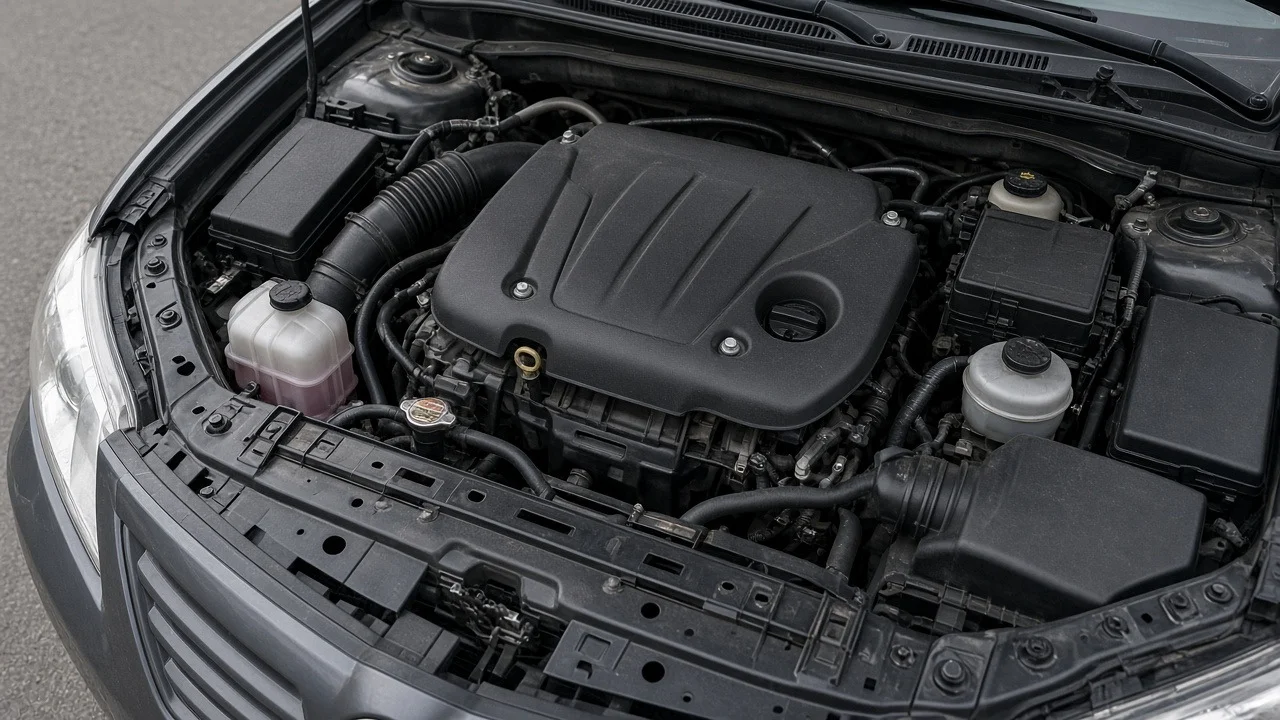
Choosing a Toyota Camry means understanding how this mainstream sedan is evaluated across different model years, body styles, and market specifications. A search for “toyota camry car and driver” typically reflects interest in how the car behaves, what type of vehicle it is, and why its powertrain configuration matters. The Camry has long been defined by a front-engine layout, conservative packaging, and broad trim-level range. Its reputation rests on predictable handling, comfortable ride quality, and dependable daily operation rather than extreme performance. That identity helps explain why it remains a benchmark among family sedans.
Essential answer
The Toyota Camry is a mid-size front-wheel-drive sedan sold in the United States across multiple model generations. When readers ask about the car type, the essential classification is a four-door family sedan with a transversely mounted engine. This body style prioritizes passenger space, trunk volume, and highway stability over off-road ability or coupe styling. Within each model year, the Camry is offered in several trim levels that change equipment, wheel design, interior materials, and some powertrain options, but the fundamental sedan architecture remains consistent.
Automotive evaluations often focus on how that sedan architecture translates into daily driving. The typical Camry uses an independent suspension tuned for absorbent ride comfort and predictable body control rather than sharp cornering. Its steering is generally light at parking speeds and stable on the highway, which suits commuters and families. Hybrid and conventional gasoline powertrains may appear depending on market specification and generation. For a reader researching “Toyota Camry car and driver,” the direct answer is that this is a practical mid-size sedan shaped around comfort, efficiency, and everyday usability.