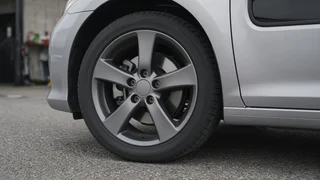
Toyota Camry wheel offset
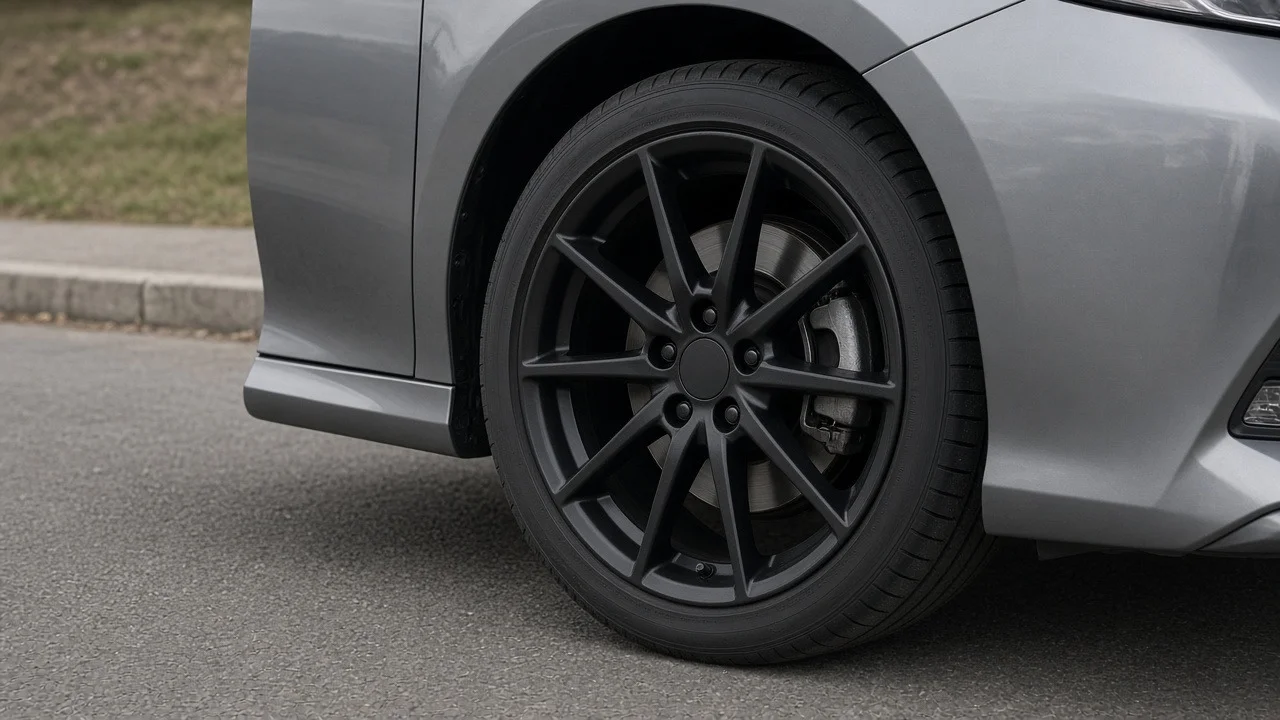
Checking the wheel offset for a 2018 Toyota Camry matters when you plan to replace factory rims or fit aftermarket wheels. This measurement places the mounting surface relative to the wheel centerline, so it directly influences tire positioning, suspension clearance, and steering feel. Buyers comparing the 2018 (XV70) and 2025 Camry often want to know whether OE take-offs or new wheels will sit correctly before spending money. Understanding how offset works with rim diameter, rim width, and bolt pattern helps you avoid rubbing, premature bearing stress, or unintended changes in track width.
Essential answer
Toyota Camry wheel offset describes where the hub-facing mounting pad sits compared with the exact centerline of the barrel. A positive offset pushes the wheel inward toward the suspension, while a lower or negative value moves the tire outward. For the 2018 Camry, the factory offset and wheel width were selected to keep the tire within the fender while preserving clearance around the strut, brake caliper, and inner liner. Aftermarket sizing can differ slightly, but a major change alters scrub radius and may affect how the car tracks over road imperfections.
The 2025 Camry follows the same general principle, yet its platform and arch contours may tolerate a different usable range. A wheel that fits a 2018 model is not guaranteed to be correct for the newer car, even if the bolt pattern matches. Before buying, confirm the proposed offset in relation to rim width, because offset is not an absolute fitment by itself. A 7.5-inch wide wheel at +45 offset positions the tire differently than a 8.5-inch wide wheel at the same +45 value, and that difference can create contact under suspension travel.