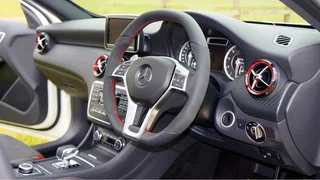
Repair Mercedes W210 climate control
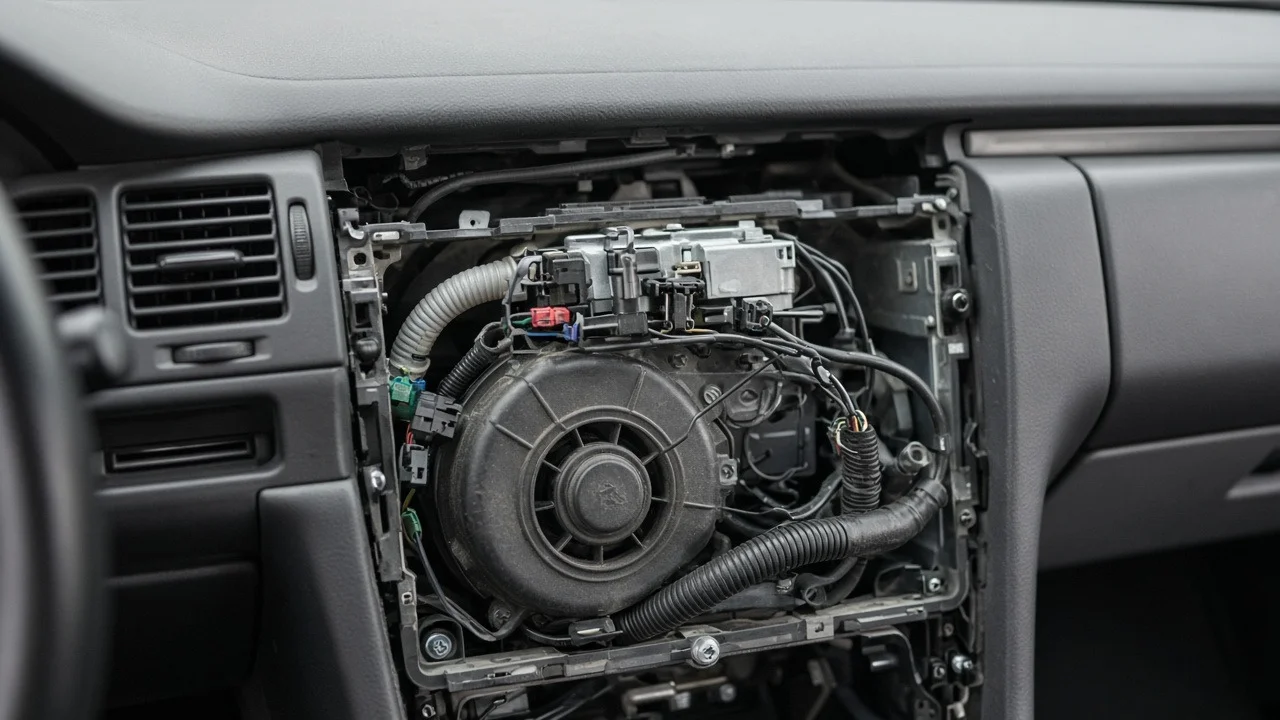
A failing climate control system in a Mercedes-Benz W210 can turn an otherwise comfortable drive into a humid, foggy, or temperature-swinging experience. Owners often notice weak airflow, incorrect vent temperatures, or a display that goes dark after working for years. Repairing the system requires understanding how the push-button control unit, blower regulator, actuators, and refrigerant circuit interact. Because the E-Class platform spanned several model years, build dates, and market specifications, diagnostic steps should be confirmed against the specific vehicle rather than assumed from another W210. The goal is to identify whether the fault lies in control electronics, airflow hardware, or refrigerant condition before replacing expensive components unnecessarily.
Essential answer
Repairing W210 climate control means tracing the symptom to one of several common subsystems instead of treating the dashboard control panel as the only suspect. The vehicle may have manual rotary dials or automatic temperature control depending on trim level and market specification, and the repair path differs accordingly. A blank display, intermittent fan, or incorrect side-to-side temperature often points to a blower regulator, stepper motor, or control unit communication issue rather than a simple refrigerant leak. Understanding the model generation and body style helps narrow whether the complaint involves an early vacuum-operated setup or a later electronically actuated system.
A practical first step is to record exactly when the fault appears and whether it changes with engine speed, cabin heat, or control inputs. Because different powertrain configurations place heat load and underhood routing differently, the same symptom can have separate causes in a gasoline versus diesel example. The essential answer is not a single part number but a diagnostic sequence: confirm power and illumination at the control panel, check blower response, observe air distribution changes, and then assess cooling performance. This prevents replacing the climate control unit when the actual issue is a failing blower motor regulator or a disconnected actuator arm.
Diagnosing a problem
When the climate control display is blank or the buttons do not respond, begin by checking whether other interior electrical functions remain normal. A fully dead panel can indicate a loss of power, ground, or backlighting rather than an internal failure. If the fan still runs at a default speed while the display is dark, the control module may be receiving partial power, suggesting a wiring, fuse, or connector fault. In contrast, a panel that lights but does not change vent temperature more likely points to actuator or sensor communication problems. Treat any stored fault code as a clue about a circuit, not proof that a specific actuator or module has failed.
Blower operation helps separate regulator problems from control head failures. A fan that only works on maximum speed, or that surges and stops after the cabin warms, commonly indicates the blower motor regulator or its cooling path rather than the motor itself. If airflow is strong but comes from the wrong vents, the issue is usually a vacuum or electric actuator that moves the air distribution flaps. Low airflow combined with poor cooling can instead point to a clogged cabin filter or a low refrigerant charge. If the system emits a grinding noise behind the dash, stop repeated actuator cycling and seek professional diagnosis to avoid damaging the flap mechanism.