What Does Auto Climate Control Actually Control?
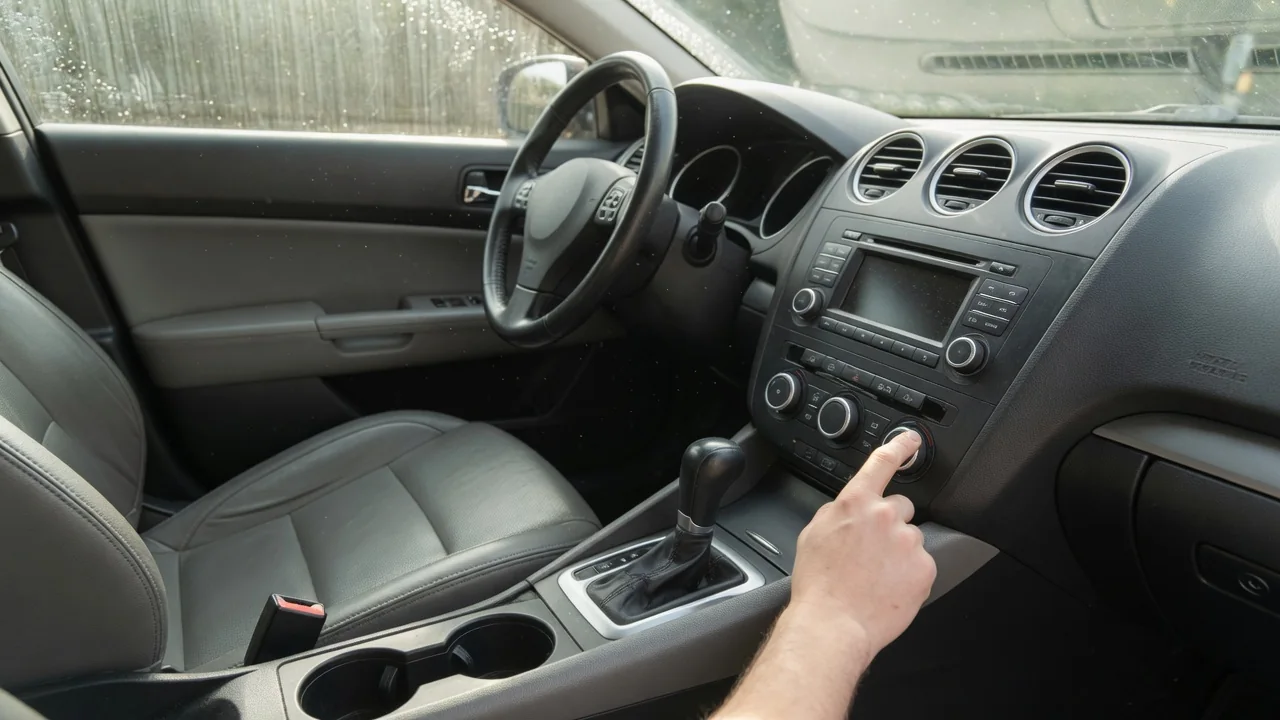
Press the Auto button and the dashboard seems to take over, but many drivers still wonder what does auto climate control actually control. The short answer is that you choose a cabin temperature and the system decides how to reach it, managing blower speed, air temperature, vent selection, and often the air conditioning compressor and recirculation. Understanding those decisions makes the system easier to trust and use.
Sensors and set point
The number on the display is a set point, a target for cabin air rather than a command for vent temperature. To chase that target, the control module compares it with readings from several sensors. Most systems use an interior temperature sensor, an outside air sensor, and often a sunload sensor on top of the dashboard that detects how much solar heat is pouring through the glass. Some vehicles add humidity sensors or duct temperature sensors for finer control.
From those inputs the module calculates how much heating or cooling is needed and moves blend doors to mix warm and cold air accordingly. That is why vent air may feel very cold on a hot afternoon even with a moderate set point, then gradually warm as the cabin approaches target. Drivers can sometimes spot a small grille on the dash or near the steering column where the cabin sensor sits. Sensor locations, counts, and dual or multi-zone layouts differ by manufacturer, so the owner's manual is the reliable reference.
Fan behavior
Blower speed is the most noticeable thing automatic mode manages. When the cabin is far from the set point, the system typically runs the fan fast to move as much conditioned air as possible, then tapers down as the gap closes. Once the temperature stabilizes, the fan often settles at a low, quiet speed and makes small adjustments when conditions change, such as sunlight shifting onto the dashboard or a door being opened at a stop.
Cold starts reveal another piece of logic. Many systems hold the fan low on a winter morning until the engine coolant has warmed, because blowing unheated air at occupants would only make them less comfortable. Airflow may begin at the windshield or floor and move to other vents as heat becomes available. Electric and hybrid vehicles can behave differently because they often use electric heaters or heat pumps, so the delay and fan ramp vary with the design.
When manual overrides help
Automatic logic targets average comfort, and it cannot know everything about the people inside. A manual override helps when the fan noise is intrusive during a phone call, when a passenger wants air directed away from their face, or when the driver prefers a gentle breeze instead of a strong initial blast. In most vehicles, changing fan speed or vent mode leaves the temperature regulation active while handing that one function back to the driver.
Visibility is the most important reason to step in. If the windshield starts fogging, selecting the defrost mode sends dry air to the glass and usually engages the compressor to remove moisture, which is faster than waiting for the automatic program to react. Switching to fresh air or recirculation manually also makes sense when passing through heavy exhaust or dust. On many dashboards the Auto indicator turns off after an override, and pressing Auto again restores full automatic operation.
Everyday Use and Observations
In daily driving, the most effective habit is choosing a comfortable set point and leaving it alone. Setting the temperature to its lowest value on a hot day generally does not cool the cabin faster in an automatic system, since the module already calls for maximum cooling when the cabin is well above target. The extreme setting simply keeps the system at full output after comfort has been reached, leaving occupants chilly and reaching for the dial again.
Several normal behaviors are worth recognizing. Airflow may shift from dash vents to floor outlets as the system moves from cooling to heating, because warm air is usually delivered low and cool air high. Recirculation may switch on briefly during a hot soak to cool the cabin sooner, then return to fresh air. The compressor may run in cool, damp weather to dry the air. In dual-zone vehicles, each side blends its own temperature, though fan speed is often shared.
Limits and Next Steps
Automatic climate control regulates; it does not add capacity. It cannot make a weak air conditioning system colder, overcome a low heater output, or push normal airflow through a clogged cabin air filter. Its decisions are also only as good as its sensor information. A blocked cabin sensor inlet, an object covering the sunload sensor on the dash, or a faulty reading can lead to a cabin that drifts warm or cold while the display shows nothing unusual.
When behavior seems off, start with simple observations: whether one side differs from the other, whether the fan speed changes as expected, and whether clicking or tapping noises come from behind the dash when modes change. Those details help a technician narrow the cause. Stored fault codes can point toward a sensor or door actuator circuit, but a code is evidence to interpret alongside testing, not proof that a part has failed, and many climate codes are manufacturer-specific and need vehicle-specific confirmation.