Mercedes Steering Angle Sensor Repair
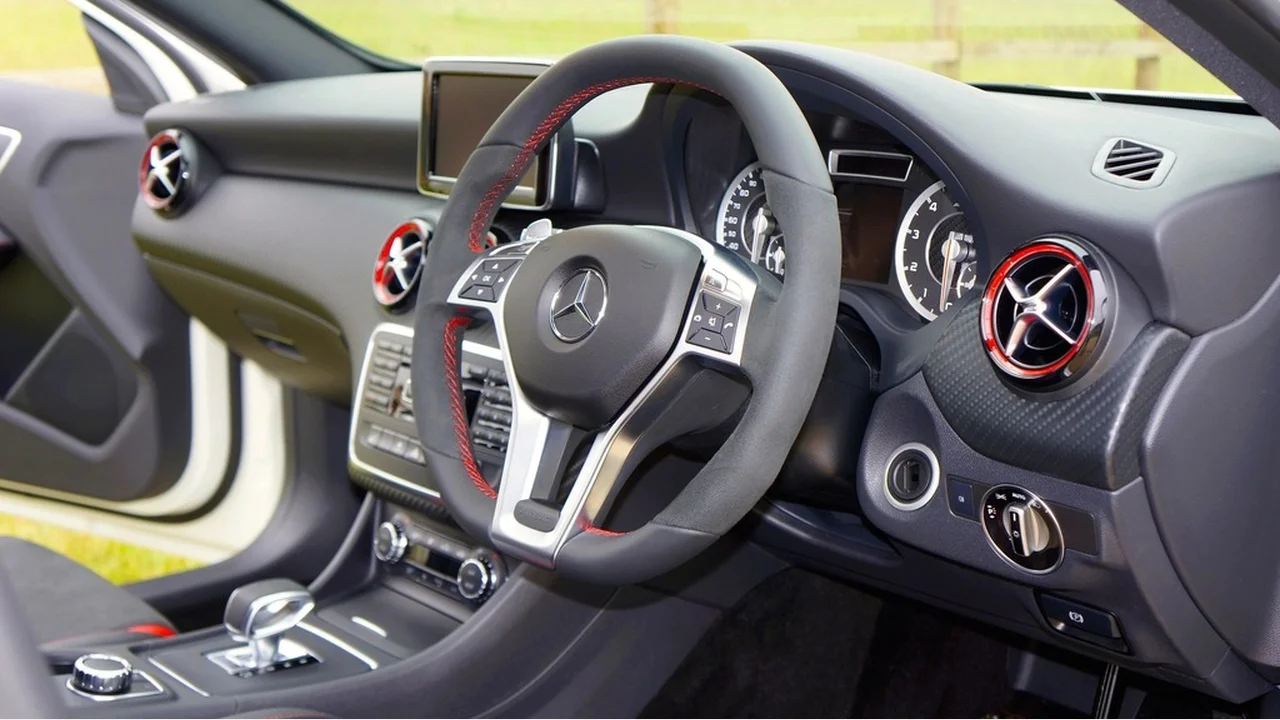
A steering angle sensor fault on a W203 or W204 can feel alarming because it changes how the stability system reads driver intent. The fault may appear as a warning light, a stored code, or changes in steering assist behavior. This article explains what the sensor does, why repair means more than swapping a part, and how to separate sensor faults from alignment issues, joint play, or wiring concerns before committing to replacement.
Essential answer
The essential answer is that Mercedes steering angle sensor repair involves diagnosing the sensor signal path, then recalibrating or replacing the component rather than assuming the first stored code is a failed part. On W203 and W204 vehicles, the sensor typically monitors steering wheel position and rate of rotation so the electronic stability program can compare driver intention with actual yaw behavior. A repair usually includes checking the clock spring, connector, and mounting points before fitting a replacement.
The scope of the work also includes resetting or calibrating the sensor after installation. Without proper initialization, the vehicle may still set a fault or disable stability functions. Wheel alignment, ride height, and even moderate joint play can influence steering angle readings, so a repair that ignores these factors may not resolve the warning. Vehicle support and fastener specification matter during reassembly because a loose or misrouted harness can reproduce the original symptom.
Diagnosing a problem
A stored steering angle code is evidence to investigate, not proof that the sensor itself has failed. Begin by observing when the warning appears: after battery disconnect, after alignment, or during parking maneuvers. A low voltage event or a recent wheel alignment can produce a plausible but incorrect steering angle value. Inspect the connector for corrosion or pin fit and check for torn boots, worn tie rod ends, or strut mount movement that could create an inconsistent steering relationship.
If the warning appears only after cornering or over uneven pavement, look for suspension wear that changes toe angle under load. Ride height differences from sagging springs can also shift the steering reference angle. Manufacturer-dependent codes should be confirmed with a scan tool that reads the specific Mercedes module, since generic readers may mislabel the fault. Stop driving only if steering assist becomes unpredictable or stability intervention occurs without cause, and have the system diagnosed before further use.