Repair a diesel engine fuel pump
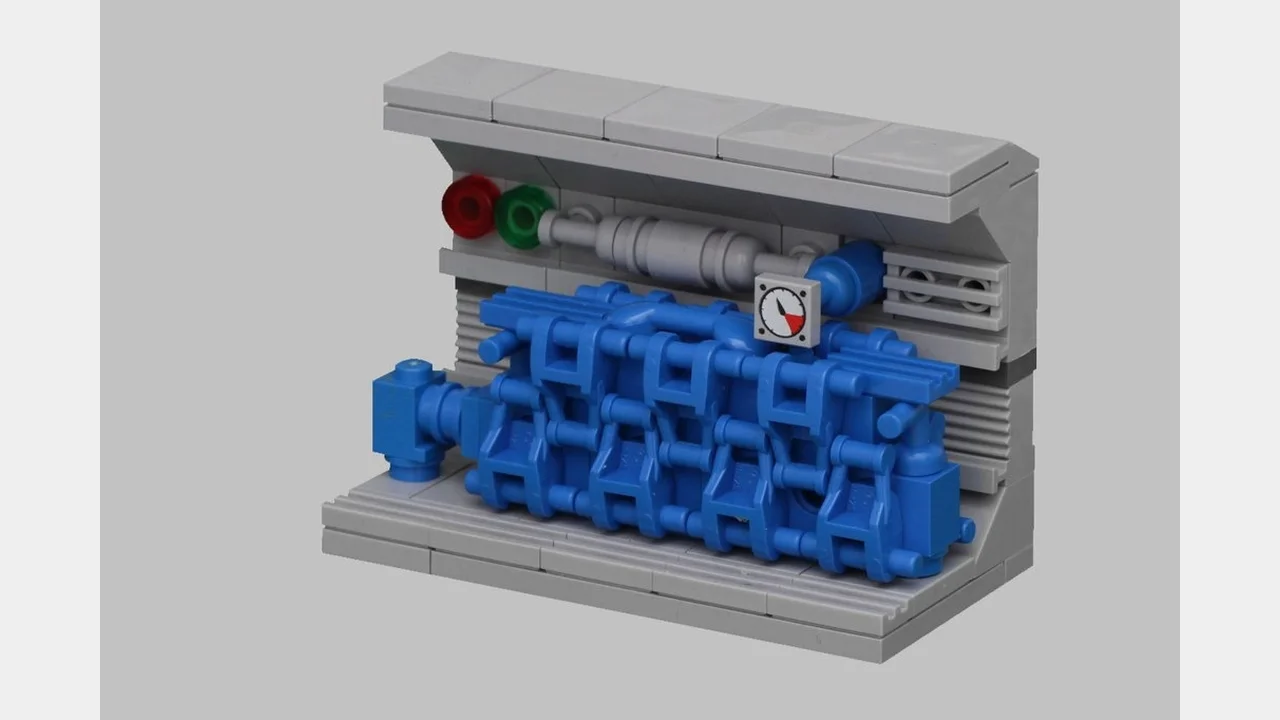
A diesel engine fuel pump problem can mimic several other fuel system faults, so the repair path must begin with the right diagnosis. The pump creates the high fuel pressure that the injectors need for clean combustion, and a drop in that pressure changes starting, idle quality, and power delivery. Understanding how the pump, fuel filter, injector, and fuel pressure interact helps narrow the repair instead of replacing parts on guesswork. This overview explains what diesel engine fuel pump repairing involves and how to interpret the first signs of trouble before work begins.
Essential answer
Repairing a diesel engine fuel pump can be a targeted service rather than an automatic full replacement, depending on which part of the system has failed. The pump may be a mechanical high-pressure unit driven by the engine or an electric lift pump that supplies fuel from the tank. Common repair paths include resealing external leaks, replacing worn internal delivery components, or correcting fuel pressure loss caused by a restricted fuel filter. The correct shop process is to first verify that the pump is the actual source of the problem, then rebuild or replace the failed component within the engine configuration.
A repair strategy changes when the issue is not the pump itself but a related part creating the same symptom. Air entering the suction side, a weak electric supply pump, or an injector returning excessive fuel can all lower pressure at the rail. For that reason, diesel engine fuel pump repairing should include a leak check and a comparison of expected supply and high-side pressures. If the pump has internal scoring from contaminated fuel, a rebuild may be appropriate; if the housing is damaged, replacement is generally the safer repair in a US workshop.
Diagnosing a problem
Long cranking, rough idle, power loss under load, or a no-start condition are typical clues pointing toward the fuel delivery system. Before condemning the high-pressure pump, check the low-pressure side because a clogged fuel filter can starve the pump and produce the same complaints. A fuel pressure reading at the supply side and, where accessible, at the rail helps distinguish a weak lift pump from a failing high-pressure element. A diagnostic trouble code indicating low rail pressure is evidence to interpret, not proof that one specific part has failed.
Observe the injector contribution and return flow when a code or symptom appears. If one injector returns too much fuel, the rail pressure may fall even though the pump is healthy, so the repair belongs at the injector rather than the pump. A fuel trim or delivery correction value that is heavily positive can also indicate the pump is struggling to reach target pressure. Any visible external fuel leak near the pump housing should be addressed before further diagnosis because it can introduce air and create pressure instability. If metallic debris is found in the fuel, stop use and have the entire system inspected.