Rear Brake Calipers: How to Choose the Right Replacement, Including Reman Options
The Short Answer
A replacement rear brake caliper has to match your vehicle's exact brake setup, not just its year, make and model. The most important checks are the parking brake design, the side of the vehicle, the rotor size or brake package, and the fittings. A remanufactured (reman) caliper is a sensible, budget-friendly choice for most daily drivers when it comes from a reputable rebuilder. A new caliper makes more sense when reman units for your vehicle are hard to find, have poor fitment reports, or when you want to avoid a core return.
One condition changes the job more than any other: whether your vehicle has a mechanical parking brake built into the caliper, an electronic parking brake (EPB) motor on the caliper, or a separate drum-style parking brake inside the rotor. Each type uses a different caliper, and the installation steps differ too.
Signs a Rear Caliper Needs Replacing
Rear calipers often fail in less obvious ways than front calipers because the rear brakes do less of the stopping work. Common reasons to replace one include:
A seized piston or sticking slide pins that cause dragging, heat, a burning smell or uneven pad wear; Brake fluid leaking around the piston seal or bleeder screw; A parking brake that will not apply or release properly when the fault is inside the caliper mechanism; One rear pad worn much more heavily than the other; A vehicle that pulls or feels uneven under light braking; Torn piston boots that have let in moisture and caused corrosion
Some of these symptoms can also come from a collapsed brake hose, seized slide pins in the bracket, a stuck parking brake cable or an EPB electrical fault. Confirming the cause first can save you from buying a caliper you don't need.
Know Which Rear Caliper Type Your Vehicle Uses
Integrated mechanical parking brake: A cable connects to a lever on the caliper. The piston usually screws in instead of pressing straight back, so it needs a rewind tool during pad installation. Electronic parking brake: An electric motor is mounted on the caliper. The system usually has to be placed in a service or maintenance mode before the piston can be retracted. Check whether the replacement caliper includes the motor or whether you need to transfer your existing one. Drum-in-hat parking brake: The caliper handles only the service brakes. A separate small drum brake inside the rotor hat holds the vehicle when parked. These calipers are often simpler and more like front units in design. No parking brake function at the rear caliper: Some vehicles use other arrangements, so verify rather than assume.
Two versions of the same model can use different rear caliper types depending on model year, trim, towing or performance package, or drivetrain. Some vehicles changed from a mechanical to an electronic parking brake partway through a generation.
Fitment Checks Before You Buy
Parts catalogs filter by year, make and model, but rear brakes often have several variations within one model. Work through these points before ordering:
Model year, trim, engine and drivetrain (two-wheel drive vs. all-wheel or four-wheel drive); Brake package: heavy-duty, towing, police or performance packages often use larger rotors and different calipers; Rotor diameter and whether the rotor is solid or vented; Side of the vehicle: rear calipers are specific to the left (driver) or right (passenger) side in the US, mainly because of bleeder screw position and parking brake lever orientation; Piston count and piston size; Whether the caliper comes with the mounting bracket or is sold without it; Brake hose connection: banjo bolt or threaded inverted-flare fitting, and the thread size; Parking brake type and, for EPB systems, whether the motor and connector match; Production date or VIN split noted in the catalog, if one applies
The most reliable approach is to search by VIN where a seller supports it, then compare the listing photos with your old caliper: the mounting points, bleeder location, hose port and parking brake hardware should all line up. If a catalog shows two possible parts for your vehicle with a note such as "with 12-inch rotor" or "with heavy-duty brakes," check your rotor or brake package before choosing.
New vs. Remanufactured Calipers
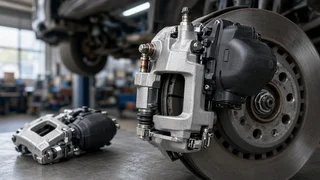
Remanufactured calipers start as used cores. The rebuilder cleans the housing, inspects it, machines or refinishes surfaces as needed, and installs new seals, boots and usually a new or refurbished piston and bleeder. Rear calipers with integrated parking brakes also need the internal mechanism serviced or replaced, which is why rebuild quality matters more for these units.
Factor | Remanufactured | New; Upfront cost | Usually lower, but often includes a refundable core charge | Usually higher, typically no core charge; Core return | Usually required to get the core deposit back | Typically not required; Availability | Good for common vehicles; can be limited for rare or newer models | Often the only option for some newer or less common vehicles; Quality consistency | Depends heavily on the rebuilder's process and testing | Generally more uniform, though fitment issues still occur; Appearance and corrosion protection | Varies; many are coated or plated | Varies; many are coated or plated; Best fit | Daily drivers, budget repairs, common vehicles | Vehicles with poor reman supply, owners who want to skip core returns
Neither option is automatically better. A well-rebuilt caliper from a reputable source can perform like a new one. A cheaply rebuilt rear caliper with a poorly serviced parking brake mechanism can cause repeat problems. Brand reputation, warranty terms and buyer fitment feedback for your specific vehicle are often more useful than the new-versus-reman label.
Core Charges Explained
A core charge is a deposit added to the price of many reman calipers. You get it back when you return your old caliper in rebuildable condition. Before buying, check how long the return window is, whether the core must go back in the original box, and what condition is accepted. Cracked housings, missing parts or calipers taken apart beyond the normal removal steps may be rejected. For EPB calipers, check whether the motor has to come back with the core.
What's Included: Bare, With Bracket, or Loaded
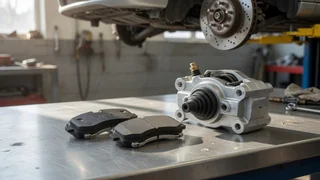
Bare caliper: The caliper body only. You reuse your bracket, pads and hardware. Caliper with bracket: Useful when the old bracket is badly corroded or its slide pin bores are worn. Loaded caliper: Comes with pads, and sometimes hardware, already installed. This is convenient, but the included pads may not match the friction type you'd normally choose.
Also check whether new slide pins, boots, clips and copper crush washers for banjo fittings are included. Reusing old crush washers is a common cause of leaks.
Should You Replace Rear Calipers in Pairs?
Replacing a single failed caliper is often acceptable when the other side is in good condition. Many technicians still recommend replacing both rear calipers together on older vehicles. If one has seized from age and corrosion, the other may not be far behind. Matching parts on both sides also helps keep braking and parking brake behavior even. Pads should always be replaced as an axle set. Rotors should be inspected and replaced or resurfaced if they're worn, scored or heat-damaged.
Installation Points That Affect Your Purchase
Mechanical parking brake calipers need a piston rewind tool, and you'll usually need to adjust the parking brake after installation. EPB calipers usually require a scan tool or a specific procedure to enter service mode. Forcing the piston back can damage the mechanism. The brake system must be bled after replacing a caliper. Check your owner's or service information for the correct fluid type. Caliper and bracket bolts must be torqued to the vehicle's specification, and some manufacturers call for new bolts or thread-locking compound. A caliper installed on the wrong side may still bolt on, but the bleeder ends up at the bottom and air cannot be fully bled out.
If your vehicle has an electronic parking brake and you don't have a compatible scan tool, factor professional installation into your decision before buying.
Buying Checklist
Confirm the parking brake type: integrated mechanical, electronic or drum-in-hat; Verify the brake package and rotor size, ideally using your VIN; Order the correct side and compare photos with your old caliper; Decide between bare, with-bracket or loaded, and check which hardware is included; For reman units, review the core charge, the return window and condition requirements; Compare warranty terms and fitment feedback for your specific vehicle; Buy new crush washers, brake fluid and any tools the job needs; Plan for bleeding the brakes and, if applicable, EPB service mode