Shop for Brake Calipers: What to Check Before You Buy
The short answer
To buy the right brake caliper, match it to your exact vehicle: model year, make, model, trim, engine and brake package. Then confirm the axle position (front or rear) and the side (driver or passenger). After that, decide between new and remanufactured, and between a loaded caliper (supplied with pads and hardware) and a bare one. The main condition that changes the answer is that one model can use more than one brake setup. A trim level, an optional brake package, rear disc versus rear drum brakes or a mid-year production change can each call for a different caliper. If a parts catalog shows several options for your car, use your VIN or compare the old part before you order.
What a brake caliper does
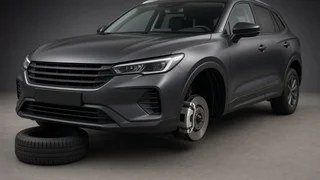
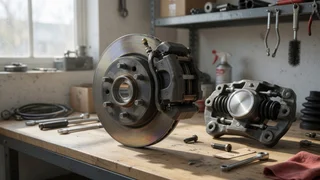
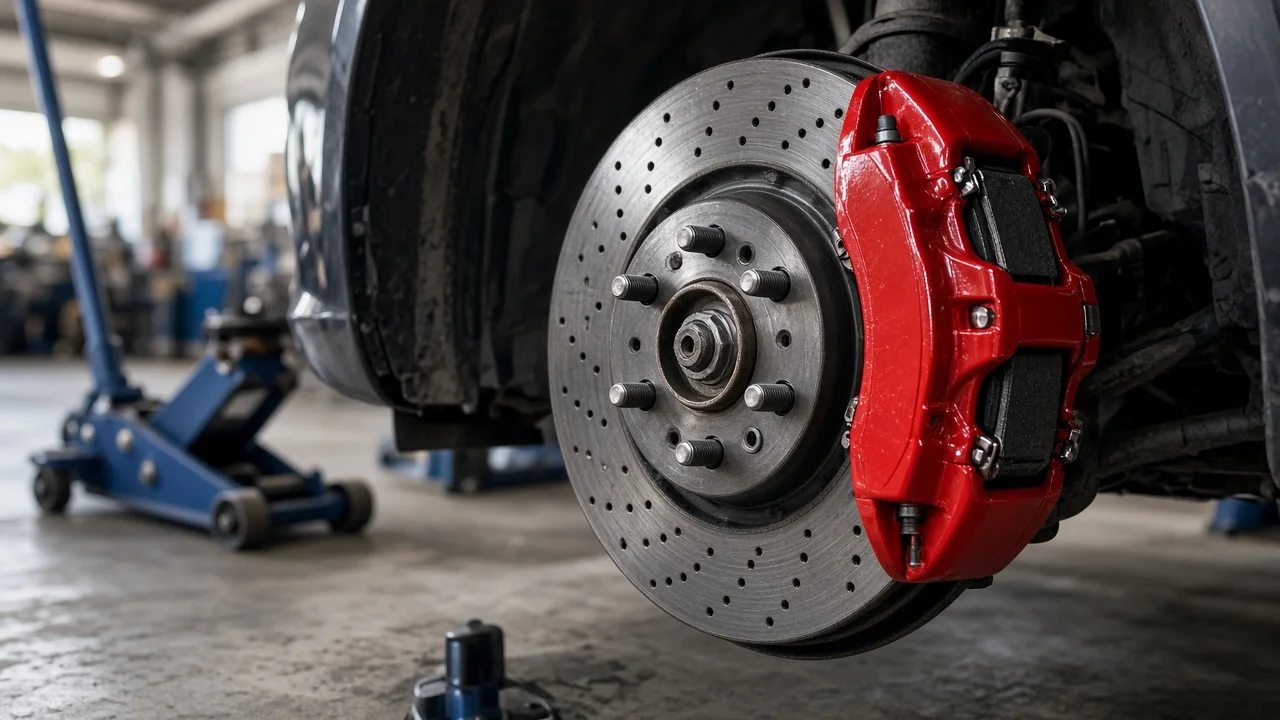
On a disc brake, the caliper is the clamp-like assembly that straddles the rotor, the metal disc that turns with the wheel. When you press the brake pedal, hydraulic fluid pushes one or more pistons inside the caliper. The pistons squeeze the brake pads against the rotor, and that friction slows the wheel. The caliper attaches to the steering knuckle or axle through a mounting bracket, and a flexible brake hose supplies fluid to it.
Most passenger cars use floating calipers, also called sliding calipers. These have pistons on one side only, and the caliper body slides on guide pins to apply even pressure to both pads. Fixed calipers have pistons on both sides of the rotor and do not slide. They are more common on performance and some heavy-duty applications. Replace a caliper with the same design the vehicle was built with unless you are doing a planned brake upgrade with parts made to work together.
Signs a caliper may need replacing
The vehicle pulls to one side when braking. One wheel runs noticeably hotter than the others, or smells hot after a drive. The inner and outer pads on one wheel wear unevenly, or one wheel's pads wear much faster. Brake fluid is leaking around the caliper, the piston seal or the bleeder screw. A piston is seized, or the caliper sticks and drags. Guide pins are seized and won't free up with cleaning and fresh lubricant. A rear caliper's parking brake mechanism no longer applies or releases properly.
Some of these symptoms can also come from a collapsed brake hose, a stuck slide pin or worn pads. A proper inspection can save you from buying a caliper you don't need.
How to match a caliper to your vehicle
Fitment is the most important part of the purchase. Brake calipers on cars that look identical can differ in piston size, mounting bolt spacing, rotor thickness they are designed to clear, hose fitting type and bleeder position. A caliper that bolts on but has the wrong piston size can change brake balance. A caliper with the wrong bleeder position may not bleed fully.
Year, make and model: the starting point, but rarely enough on its own. Trim and powertrain: engine size, drivetrain (FWD, RWD, AWD) and towing or performance packages can change the brake system. Brake option: some vehicles were offered with standard and heavy-duty brakes, or with rear drums on some trims and rear discs on others. VIN: many retailers and dealers can decode the VIN to narrow the options. Production date: shown on the door jamb label. It matters when a model changed brakes partway through a model year. Position: front or rear, left (driver side in the US) or right (passenger side). Calipers are usually side-specific because the bleeder screw must sit at the top. Physical comparison: if the catalog is unclear, match the new part against the old one, including mounting points, hose port and bleeder location.
Loaded vs. bare calipers
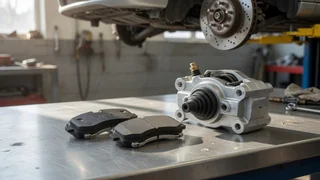
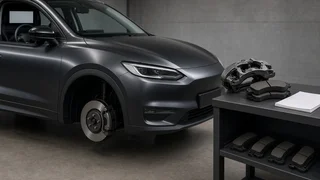
A bare caliper is the caliper body and piston. Depending on the listing, it may or may not include the mounting bracket. A loaded caliper also comes with pads and, typically, the clips and hardware already installed. Loaded calipers simplify the job and reduce the chance of missing small parts. Bare calipers let you choose your own pads. Either way, read the listing to see whether the bracket, slide pins, banjo bolt and copper sealing washers are included, because this varies by manufacturer and part number.
New vs. remanufactured
Many replacement calipers sold through auto parts stores are remanufactured. A used core is cleaned, inspected and rebuilt with new seals and often a new or refinished piston. Remanufactured units are widely used and can perform well when rebuilt to a good standard. New calipers avoid any question about the history of the casting and are often the only choice for newer or less common vehicles. For older cars, remanufactured units or rebuild kits may be what's available. When comparing options, look at piston material (steel or phenolic), whether the bleeder screw and slide hardware are new, the finish or corrosion coating, and the warranty terms.
Core charges
Remanufactured calipers often carry a core charge. This is a refundable deposit you get back when you return your old caliper. Keep the old part intact, drain the fluid and put it in the new caliper's box. Check the retailer's rules on condition and time limits. A cracked or badly damaged core may not qualify for a refund.
Rear calipers and parking brakes
Rear calipers need extra attention because many of them do double duty as the parking brake. Common designs include the following:
Integral mechanical parking brake: a cable lever on the caliper turns an internal mechanism that pushes the piston. These pistons often must be screwed back in with a wind-back tool rather than pushed straight. Drum-in-hat parking brake: the rear caliper handles only service braking, and a small drum shoe set inside the rotor serves as the parking brake. Electronic parking brake: a motor mounted on the caliper applies the brake. Service usually requires a scan tool or a specific procedure to retract the piston, and the motor may or may not come with the replacement caliper.
Make sure the replacement matches your parking brake type. Also check whether the parking brake cable bracket, lever or motor transfers from the old unit or comes with the new one.
Older and classic vehicles: the 1985 Nissan Maxima example
A search for a 1985 Nissan Maxima rear brake caliper shows the issues that come with older cars. The rear brake setup can depend on trim and body style, so first confirm that your car actually has rear disc brakes and not drums. Next, check whether the caliper includes an integral parking brake mechanism. Then use the VIN or production date to narrow the catalog listings. Because the vehicle is decades old, new-production calipers may be limited. You may find remanufactured units, rebuild kits with seals and pistons, or the option of sending your own caliper to a rebuilder. If the catalog offers more than one rear caliper for that model year, compare the listing photos and details against your removed part before you buy.
Replace one caliper or both?
Calipers can be replaced individually, but many technicians replace them in pairs on the same axle. That keeps piston condition, seal age and slide behavior even from side to side, which helps the car brake straight. If one caliper on an older vehicle has failed from corrosion or age, the other side is often in similar condition. Pads should always be replaced as an axle set.
Brake caliper parts and related items to buy
A caliper job usually involves more than the caliper. Plan for these items so the work isn't held up partway through.
Brake pads, if you are buying bare calipers. Pad hardware: abutment clips, anti-rattle springs and shims. Slide pins, boots and brake-specific lubricant. New copper crush washers for banjo-style hose fittings. These are generally not reused. Brake hoses, if the old ones are cracked, swollen or seized at the fitting. Rotors, if they are worn below the minimum thickness stamped on them, warped or deeply scored. Brake fluid of the type your vehicle specifies (commonly DOT 3, DOT 4 or DOT 5.1). Check the reservoir cap or owner's manual, and don't mix in silicone-based DOT 5 unless the system was designed for it. Caliper rebuild kits with seals, boots and pistons, if you are rebuilding rather than replacing.
Where to buy
Large parts chains such as AutoZone, along with other national and regional stores, usually offer vehicle lookup, same-day pickup on stocked parts, and in-store core returns. Online retailers may have a wider range of brands and remanufacturers, but returns and core refunds take longer by mail. Dealers sell original-equipment parts, which removes most fitment doubt but often costs more. Specialist brake rebuilders can be useful for older, classic or uncommon vehicles. Wherever you buy, check the return policy for parts that turn out not to fit, the warranty length and coverage, and how core charges are refunded.
Buying checklist
Check | What to confirm; Vehicle match | Year, make, model, trim, engine, drivetrain, brake option, VIN or production date; Position | Front or rear; left or right side; Type | Floating or fixed; same piston count and size as original; Contents | Loaded or bare; bracket, pins, hardware, banjo bolt and washers included or not; Condition | New or remanufactured; piston material; new bleeder and seals; Rear specifics | Parking brake type and whether the lever, bracket or motor is included; Core | Core charge amount and return conditions; Support | Warranty terms and return policy for fitment issues; Extras | Pads, hardware, hoses, washers, rotors and correct brake fluid
Installation notes that affect the purchase
Replacing a caliper opens the hydraulic system, so the brakes must be bled afterward to remove air. Vehicles with ABS may need a specific bleeding procedure or a scan tool if air reaches the ABS unit. Torque the caliper and bracket bolts to the vehicle's specification, and confirm the pedal is firm before driving. If you aren't equipped to bleed brakes or service an electronic parking brake, it may make sense to buy the part and have a shop install it, or have the shop source the part so fitment is their responsibility.