Race car fire suppression systems in Australia

Choosing motorsport fire protection requires understanding how a suppression system interrupts the chain between an ignition source, combustible material, and oxygen. A race car concentrates fuel lines, hot exhaust components, and electrical circuits inside a compact cockpit, so fast action matters before heat builds and safe evacuation becomes harder. In Australia, buyers commonly evaluate how a kit integrates with the vehicle, how it is discharged, and whether it meets the rules for their events. The goal is a reliable system that protects the driver without adding unacceptable weight, complexity, or false-trigger risk.
The direct answer
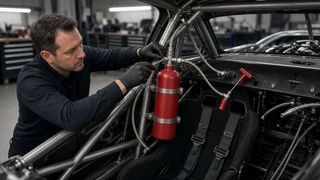
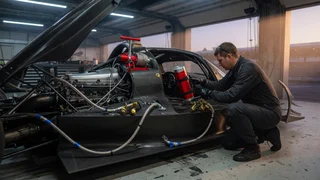
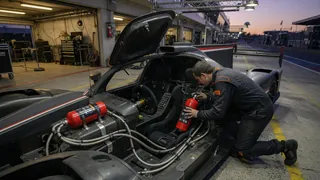
For a race car fire suppression system in Australia, the direct answer is to select a recognized motorsport-style suppression kit that suits the vehicle and the category rules rather than adapting a portable extinguisher to do the job. A proper system distributes suppressant through fixed nozzles near known risk areas such as the fuel rail, headers, and oil-filter zone, and it can be triggered from the driver’s seat. The important condition is event-specific approval, because a system that is legal in one class may not satisfy another promoter’s requirements.
A useful decision starts with discharge method and suppressant type. Clean-agent or foam systems are common in closed car competition, while dry chemical systems may be preferred for lower cost or broad fire-class coverage. The buyer should also check whether the bottle size, number of nozzles, and actuation approach match the cabin volume and the likely fire load. Because a fault or a leak can create a false sense of security, the system should be easily inspected, securely mounted, and routed away from high-heat surfaces and possible fuel-spray paths.