How to Find Propane and LPG Vehicle Fueling Stations
The short answer
To find propane vehicle fueling stations in the US, start with a dedicated alternative fuel station locator and filter for propane (often listed as LPG or autogas). Then contact the station to confirm three things before you drive there: that it fills vehicle-mounted tanks, not just portable cylinders; that it is open to the public at the hours you need; and that its nozzle fits your vehicle's fill valve. Those checks matter because many places that sell propane cannot or will not fill a car or truck, and some stations that appear in listings serve only fleet customers.
The answer changes in one important way: if your vehicle was converted overseas or imported, its fill fitting may not match the standard US nozzle. In that case, finding a station is only half the job. You also need the correct adapter or a station that can accommodate your connector.
Where to search for vehicle LPG filling stations
The most useful starting point is the U.S. Department of Energy's Alternative Fuels Data Center station locator, which lets you filter by fuel type, see whether a site is public or private, and plan a route along major corridors. Several navigation and fuel-finder apps also include propane, but coverage and accuracy vary, so treat any single listing as a lead rather than a confirmation.
Other places to look: • Regional propane distributors, many of which operate autogas dispensers at their bulk plants or partner sites; • Fleet fueling networks, some of which allow public access or offer access agreements for individual owners; • Truck stops and travel centers along freight routes, where propane may be sold for vehicles or only for cylinders; • The installer or conversion shop that set up your vehicle's system, which usually knows which local sites work reliably; • Owner forums and clubs for propane-powered vehicles, which often share updates on stations that have closed or changed hours
What to confirm before you drive there
Station listings can lag behind real-world changes. A quick call saves a wasted trip, especially when your remaining range is limited. Ask the following:
Question to ask | Why it matters; Do you fill vehicle-mounted tanks? | Many propane retailers only refill or exchange portable cylinders. Is the dispenser open to the public? | Some autogas sites are restricted to fleet accounts or contract customers. What hours is fueling available? | Bulk plants and distributor sites may close evenings and weekends. Is staff required to fill the vehicle? | Some sites require a trained attendant; others are self-serve with a card. What payment methods are accepted? | Fleet cards, accounts or cash-only arrangements are common at smaller sites. What nozzle or connector do you use? | Your vehicle's fill valve must match, or you need a suitable adapter. Is the fuel motor-grade propane? | Engine systems are designed around consistent fuel composition.
How to tell a vehicle dispenser from a cylinder filling station
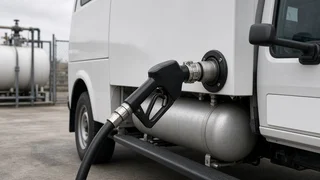
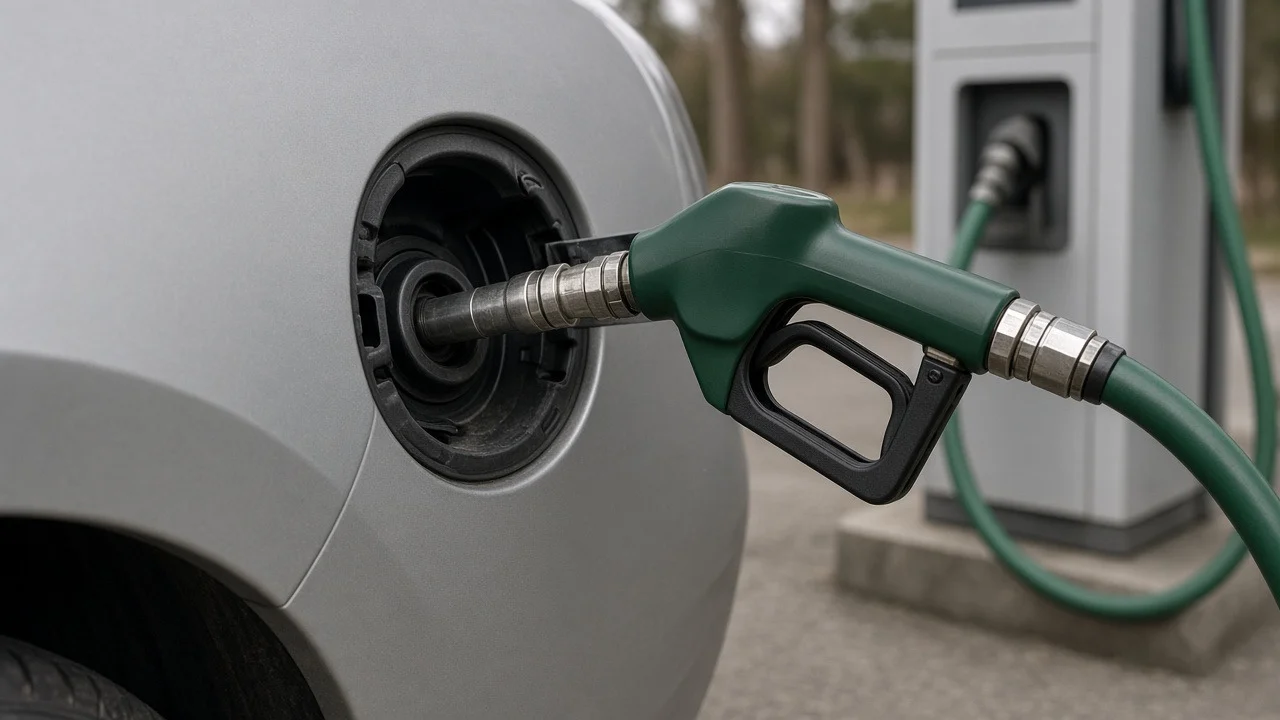
The look-alike problem is the most common source of confusion. A cylinder filling station, often found at hardware stores, rental yards and some gas stations, is set up to fill portable tanks like those used for grills and forklifts. A vehicle dispenser, usually labeled autogas or motor fuel propane, resembles a conventional fuel pump with a meter, a hose and a nozzle designed to lock onto a vehicle fill valve.
Signs you have found a vehicle-capable dispenser: • A pump-style cabinet with a price-per-gallon display, rather than a scale used to weigh cylinders; • Signage that says autogas, motor fuel or vehicle fueling; • A nozzle that clamps or threads onto a fill valve, rather than a fitting meant for a cylinder valve; • Listing details in a station locator that mention vehicle fueling or autogas specifically; If you see only a cylinder cage or an exchange rack, that site is not set up to fuel your vehicle, even if it sells propane.
Checking connector compatibility
In the US, vehicle propane dispensers generally use a threaded ACME-style connection. Vehicles converted or built for other markets may use different fill fittings, such as the bayonet, dish or Euro-nozzle styles common in Europe and elsewhere. These are not interchangeable without an adapter.
To identify your fitting, look at the fill valve, which is typically located behind a fuel door, near the rear bumper or inside a separate access panel, depending on the vehicle and the installer. Compare its shape and threading with documentation from your conversion installer or the vehicle manufacturer. If you are unsure, ask the installer which adapter is correct rather than guessing, because a poor seal at the connection can cause leaks during fueling.
Fuel grade and why it matters to your engine
Propane sold for vehicles is generally expected to meet a motor fuel specification, commonly referred to as HD-5, which limits the amount of heavier gases such as butane and propylene. Fuel with a different composition can change how the engine runs.
Modern propane systems, whether vapor-injection or liquid-injection, rely on a stable relationship between fuel pressure, injector flow and the engine computer's mixture control. When fuel composition varies, the engine management may compensate through fuel trim, which is the short- and long-term adjustment the computer makes to keep the air-fuel ratio on target. Large or persistent trim corrections after filling at a new station can indicate a fuel quality issue or a system fault and are worth raising with a qualified technician. Liquid-injection systems also use an in-tank fuel pump, and all systems typically include a fuel filter that may need more frequent attention if fuel quality is inconsistent.
What to expect at the dispenser
Fueling a propane vehicle is a sealed process. The nozzle locks onto the fill valve, liquid propane flows into the tank, and an automatic stop device in the tank ends the fill before it is completely full, typically at around 80 percent of capacity, to leave room for the fuel to expand. This is normal and is not a sign of a faulty pump or tank.
Practical points: • Follow the posted instructions and any directions from the attendant; • Expect a brief release of a small amount of vapor when the nozzle disconnects; • Propane is odorized; a persistent smell after fueling suggests a possible leak, so stop, avoid ignition sources and have the system inspected; • Many owners perform a quick visual leak check around the fill valve after disconnecting, especially when using an adapter; • Do not attempt to fill a vehicle tank from a cylinder or improvised setup
Planning routes and longer trips
Propane station coverage in the US is uneven. Some regions, particularly where fleets and school districts use autogas, have reasonable access; others have long stretches with no public dispensers. Before a trip, map stations along your route, identify a backup for each planned stop, and confirm hours for the days you will travel. Station locators that support route planning make this easier, but the same confirmation calls still apply.
If you are still deciding on a propane vehicle
If you are researching a purchase or conversion, station access should weigh heavily in the decision. Check how many vehicle-capable, publicly accessible dispensers exist near your home, workplace and regular routes before committing.
Engine configuration also affects how much station access matters. A dedicated propane vehicle runs only on propane, so it depends entirely on finding fuel. A bi-fuel vehicle can switch between propane and gasoline, which provides a fallback when no station is nearby, at the cost of carrying two fuel systems. For drivers with sparse local coverage, a bi-fuel setup, or relying on a fleet or private fueling arrangement, is often the more practical choice.
Next steps
Search a propane-capable station locator for your area, shortlist the vehicle dispensers that list public access, and call to confirm hours, payment and connector type. If your vehicle has a non-US fill fitting, sort out the correct adapter with your installer first. Once you have a reliable primary station and a backup, you can fuel with confidence and plan longer drives around known stops.