Where to Find Propane Fueling Stations for Cars
The Short Answer
In the US, the most dependable way to find propane fueling for a car is an alternative fuel station locator, such as the one maintained by the US Department of Energy's Alternative Fuels Data Center. It can filter results by fuel type and by public or private access. Then contact the station directly to confirm that it can fill a vehicle tank, when it is open and how it takes payment.
Two points change the answer. First, a business that sells propane does not necessarily fuel vehicles. Many locations only refill portable cylinders, such as barbecue tanks. Second, some stations that do dispense automotive propane serve fleets only and are closed to the public.
What Counts as a Propane Fueling Station for Cars
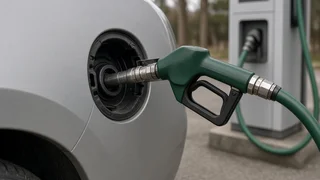
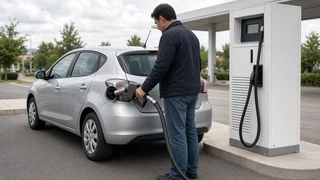
Propane used as vehicle fuel is often called autogas or LPG (liquefied petroleum gas). A car-capable station has a dispenser with a hose and nozzle that connects to the vehicle's fill valve and transfers liquid propane directly into the onboard tank. That is the feature to look for. A propane supplier without one cannot refuel a car.
Propane is a different fuel from CNG (compressed natural gas), and the two are not interchangeable. CNG is stored as a high-pressure gas and uses different equipment. Station locators list the two fuels separately, so filter for propane rather than general alternative fuels.
How to Find a Station
Use a station locator and filter by fuel type: select propane (LPG) only, so CNG, electric and other fuels are excluded. Check the access type: listings usually show whether a station is public or private. Private and fleet sites may need an account or prior arrangement. Read the station details: look for notes on vehicle fueling, hours, payment methods and whether an attendant is required. Call ahead: listings may be outdated, and hours or services can change. Ask specifically whether the site can fill a vehicle's mounted tank, not just portable cylinders. Plan longer trips around coverage: propane stations are far less common than gasoline stations, so confirm stations along the route before relying on propane alone.
Recognizing a Car-Capable Propane Dispenser
At the site, the propane dispenser is often separate from the gasoline and diesel islands. It is commonly labeled propane, LPG or autogas, and it usually sits next to a large stationary storage tank. A cylinder exchange cage, where filled tanks are swapped from a rack, is not a vehicle fueling point.
In the US, vehicle propane fill connections commonly use an ACME-threaded fitting. Some converted or imported vehicles may use a different connector and need an adapter. Check your vehicle's documentation for the fill valve type and location before you rely on a particular station.
Finding the Fill Point on Your Vehicle
Where the propane fill valve sits depends on the vehicle. Factory-built propane vehicles, aftermarket conversions and bi-fuel setups that run on both propane and gasoline can each put it in a different place, such as beside the gasoline filler, on a bumper or near the tank itself. Use the owner's manual or the conversion installer's documentation for your vehicle's configuration, rather than assuming a standard location.
Who Does the Fueling
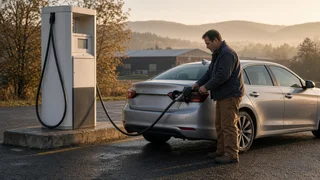
Rules for dispensing propane into vehicles vary by state and by station. At many locations, a trained attendant handles the fill, and self-service may be limited or need training. Ask about this when you call, especially if you plan to fuel outside regular business hours.
Gaps in This Guide
No confirmed figures were available for station counts, regional coverage, fuel prices, operating hours or specific station contacts. This guide therefore does not state any. For current information, check a station locator and contact the station directly.