How to refuel a propane autogas vehicle
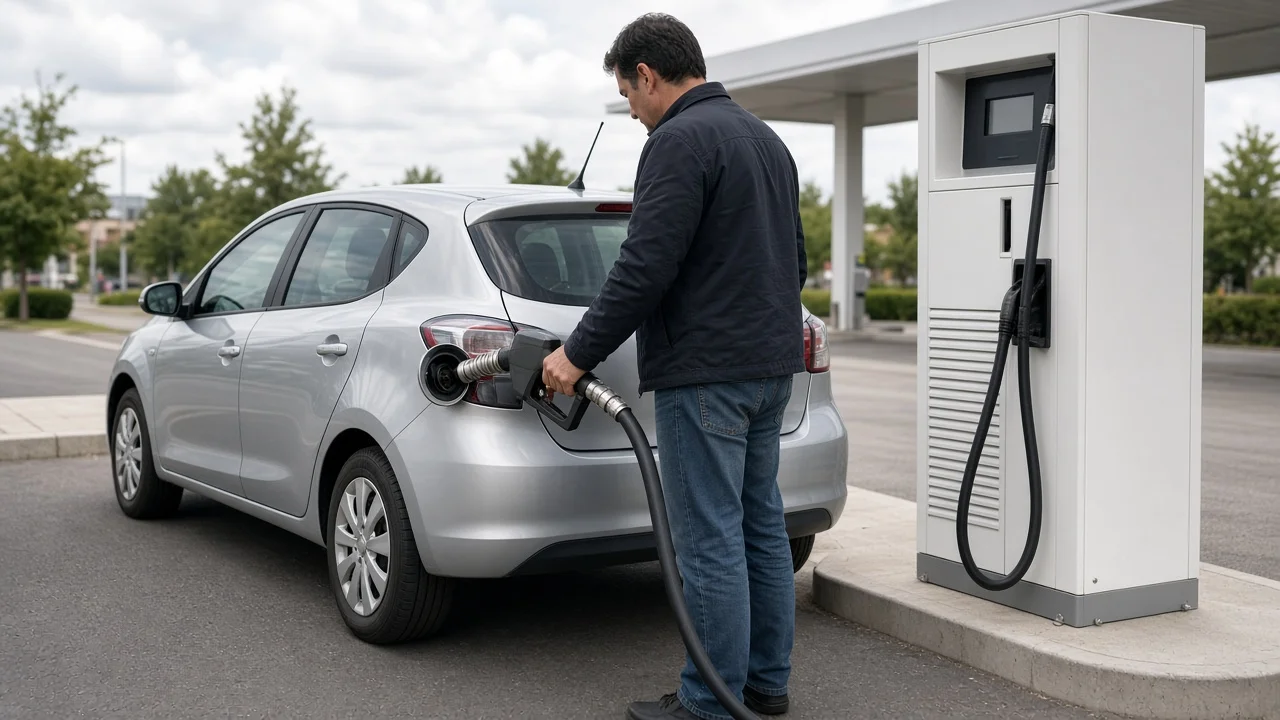
Refueling a propane autogas vehicle differs from filling a gasoline or diesel car because the fuel is stored under pressure and delivered through a sealed connection. The process uses a closed transfer system that reduces vapor release and exposure to the fuel. Understanding the pump connection, the fill valve condition, and the role of the dispenser helps you complete a safe, complete fill. This requires equipment designed for autogas, not a standard propane cylinder adapter, and the procedure should match the instructions for your vehicle.
Direct answer
The essential answer is that propane autogas refueling requires connecting a dedicated autogas dispenser nozzle to the vehicle’s fill valve and allowing the pump to transfer liquid propane until it stops at the correct fill level. The fill connection is a sealed coupling that engages with the receptacle on the vehicle, often using a threaded or quick-connect design. Unlike gasoline, where you can see the liquid rise, autogas fills by pressure differential, and the pump or the vehicle’s fill-stop mechanism determines when the tank has reached its safe capacity.
A material condition is that the vehicle must be an autogas conversion or factory-built propane system, because the tank, lines, and fill hardware are rated for the fuel’s pressure and low-temperature behavior. Fuel system compatibility is important; components designed for gasoline are not automatically suitable for propane. Manufacturer approval for the conversion or vehicle application also matters, because the fill valve, relief settings, and fuel specification are selected for that specific system. Treat the fill coupling as the main control point rather than judging the fill by the sound or appearance of the dispenser.
How to proceed
Begin by positioning the vehicle close to the autogas dispenser and identifying the fill receptacle, which is often located near the original fuel filler area or on a bumper or body panel. Turn off the engine and any ignition source, then remove the protective cap from the fill valve. Check that the valve and the dispenser nozzle are clean, dry, and free of ice or debris, because a poor seal can allow liquid propane to escape. Follow the station instructions for grounding or venting if they are posted, and make sure you are using an autogas nozzle, not a small-cylinder fill adapter.
Connect the nozzle firmly to the fill valve and operate the dispenser according to the pump instructions. The fill should stop automatically at the designed level, but if your vehicle has a manual shut-off or a fill-level gauge, use it to avoid overfilling. After the pump stops, close the dispenser control, disconnect the nozzle carefully, and replace the cap. A brief release of vapor during disconnection is normal with a closed system, but any continuous leak, strong odor, or frost forming away from the valve means you should stop and have the connection inspected before continuing.