Programming Ford trailer brake controller with FORScan
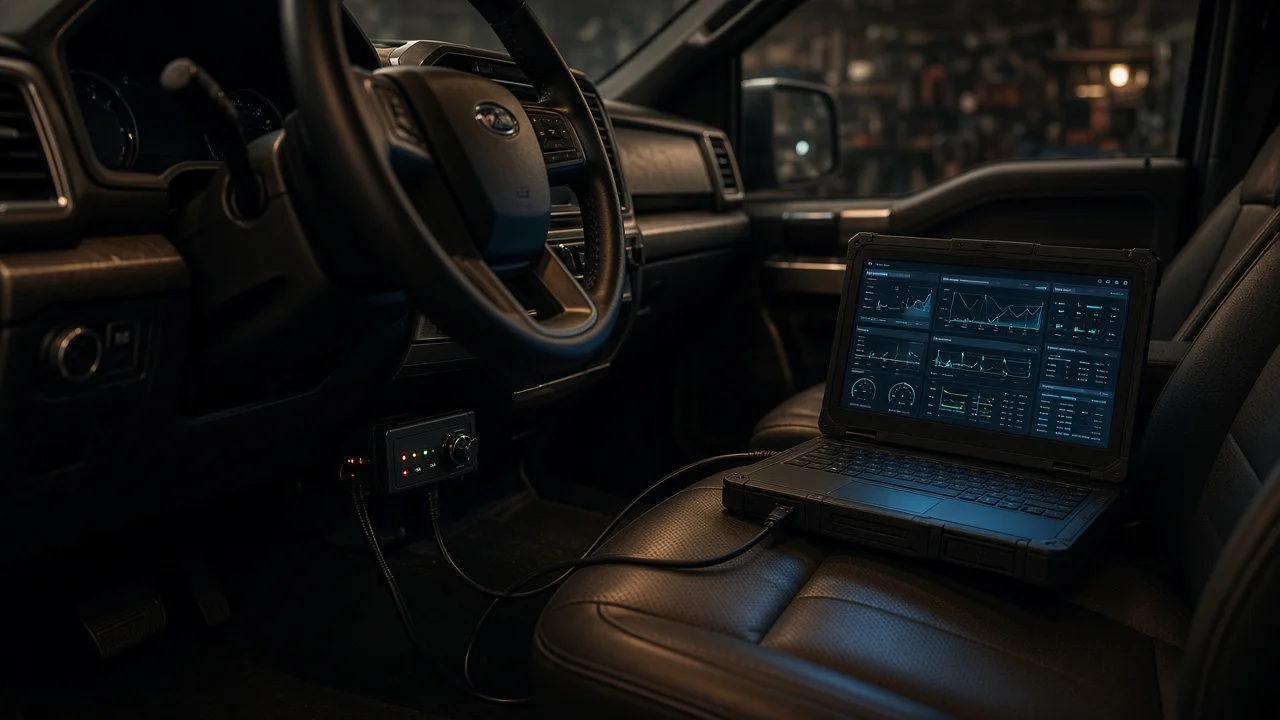
Programming a Ford trailer brake controller with FORScan addresses a common need when an integrated trailer brake module is added or replaced. The process changes vehicle configuration data so the truck recognizes the controller and applies the correct braking strategy. Because this alters module behavior rather than physical brake hardware, it requires care. Understanding the essential scope, from module recognition to gain behavior, helps an owner avoid misconfiguration that could affect trailer braking response, brake pad heat, or rotor wear during towing.
Essential answer
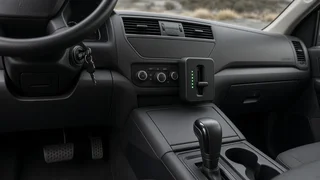
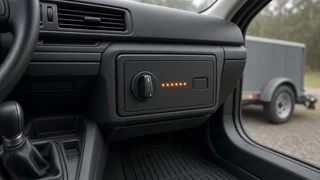
FORScan can enable or configure a Ford trailer brake controller by changing the as-built data in modules such as the body control or instrument cluster. This is primarily a software configuration task, not a direct adjustment of brake fluid pressure, calipers, or friction material. The goal is to make the truck advertise the trailer brake module and display the gain setting. Some vehicles already have the wiring and module installed, while others need a controller added before programming is useful.
The process affects how electronic brake signal reaches the trailer, but the truck still relies on conventional brake pads, rotors, and fluid for its own stopping power. Trailer brake gain adjusts trailer-side braking effort, which also influences heat buildup and wear limits across the combined rig. A successful programming session should leave the controller visible in the cluster and responsive to the manual lever, with diagnostics free of new communication faults. Manufacturer-dependent codes require confirmation against the specific vehicle's module configuration.