Choosing a Turbo Blanket for a Precision Turbo: Fitment, Features and Costs
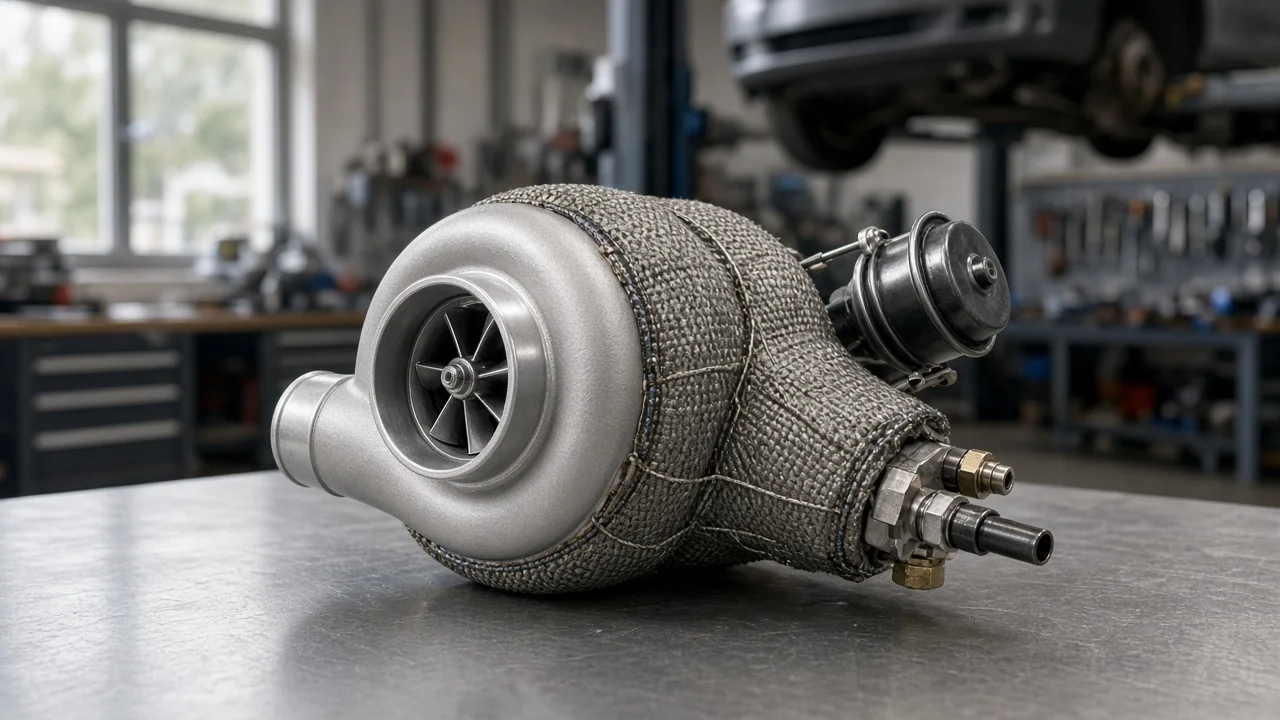
A turbo blanket wraps the turbine housing so exhaust heat stays in the turbo instead of radiating into the engine bay. On a Precision turbo, the right blanket depends less on the brand name and more on the turbine housing, the inlet and outlet style, and how the turbo sits in your engine configuration. This guide covers how to define the job, confirm fitment, judge features and plan for the real cost of owning one.
Define the job the product must do
Start with the reason you want a blanket. Common goals are lowering radiant heat around wiring, brake lines and intake piping, protecting nearby parts in a tight engine swap, or meeting a race organizer's or shop's requirements. Some buyers expect quicker spool. Treat that as a possible side effect, not a promise: any change depends on the whole setup and is rarely measured under controlled conditions.
Separate symptom reports from verified failures before you spend money. If something near the turbo is cooking, such as a melted loom, a brittle connector or rising intake air temperatures, confirm the cause by inspection first. Logged intake temperatures and any stored diagnostic codes, recorded under the same symptom conditions before and after a change, tell you far more than a forum post. A blanket will not fix an exhaust leak blowing on a harness, a failed manifold gasket or a badly routed line. Also be honest about use: stop-and-go street driving, short drag passes and sustained road course laps load the blanket very differently, and sustained heat is what separates materials.
Check compatibility
Precision builds turbos in several frame sizes and product generations, and the same compressor can be paired with different turbine housings. A blanket must match the turbine housing family and size, the inlet flange (for example T3, T4 divided or open, or V-band) and the discharge type. Get the exact turbo part number and housing configuration from the unit itself, the invoice or the build sheet rather than matching photos. Compare that against the blanket maker's fitment listing, and if it only names a frame size, ask which housing the pattern was made on.
Then check the installed environment. Model year and engine variant matter because the same Precision turbo can sit on a cast log manifold in one build and a tubular manifold in another, often with the housing clocked differently. Note where the wastegate actuator or external wastegate sits, where the oil feed and drain run, whether coolant lines are present on a water-cooled center section, and how the downpipe connects. The blanket's cutouts need to line up with all of these. One that presses on a hose or bunches near an oil fitting creates a new problem instead of solving one.
Features that affect the choice
Material is the first trade-off. Blankets commonly use woven fiberglass, silica or basalt outer layers over insulating batting, sometimes with a stainless mesh or foil layer. Temperature ratings are manufacturer claims, so check whether a figure is continuous or short-term peak. Labels like race grade or lava mean little unless the seller states the actual fiber and rating. Thickness matters as much as insulation value, because a thicker blanket may not clear nearby parts.
Construction decides whether the blanket stays where you put it. Look at the stitching thread, edge binding, a dedicated cutout for the wastegate port and whether the shape is patterned for a specific housing or sold as universal. Spring and hook retention is quick to service; straps or safety wire can hold tighter but take longer to remove. Useful evidence includes published fitment for your housing, installation photos on a matching turbo and a clear material specification. Unverified spool or horsepower numbers are not useful evidence.
Limitations and ownership costs
A blanket only covers the turbine housing. It does nothing for the manifold, downpipe or charge piping, so other shielding may still be needed. It also keeps the housing hotter, and opinions differ on how that affects housing or fastener life over time. There is no universal answer, so follow the turbo manufacturer's specifications and warranty terms, and ask Precision or your installer whether a blanket affects coverage on your unit.
The insulation can absorb oil, fuel or coolant, and a saturated blanket is a fire risk that should be replaced, not dried out. Make blanket inspection part of routine service, especially after any leak repair, and note its condition in the service history. Retention springs lose tension, edges fray and shed fibers, so wear gloves when handling it. The blanket has to come off for turbo work, gasket checks and housing crack inspection, and many owners end up buying a replacement over the life of the car, so budget for that from the start.
Build a practical shortlist
Before shopping, write down the turbo part number and turbine housing details, inlet and discharge flange types, wastegate type and position, the routing of oil and coolant lines, the clearance you actually have and how the car is used. Then screen each candidate on listed fitment for your housing, named material and stated temperature rating, retention method, cutout alignment with your fittings, whether it can be removed without pulling the turbo and the seller's return terms if the fit is wrong.
Keep the two or three options that pass every point, and favor exact listed fitment over a cheaper universal design. Do not rank candidates on performance claims nobody has measured. After installation, run the engine to full operating temperature, shut it down, and inspect once it is safe to touch for contact marks, scorching, shifted edges or oil seepage before you call the job done.