Choosing a Black Turbo Blanket: Fitment, Features and Limits
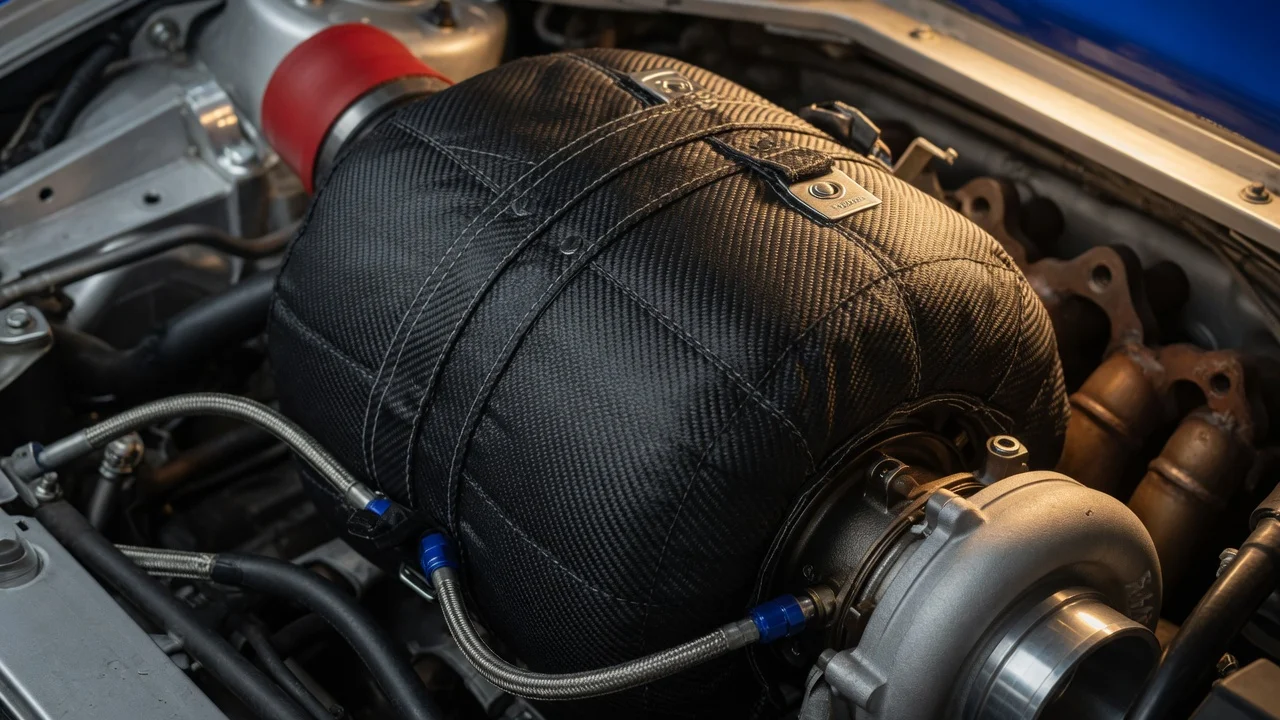
A black turbo blanket wraps the turbine side of a turbocharger. It keeps exhaust heat inside the housing and away from nearby wiring, hoses and intake parts. The black color is mostly a finish choice. The real decision depends on fit, materials, mounting and how the blanket will behave on your specific engine. This guide covers what to check before buying, what the product can and cannot do, and how to narrow the options without relying on marketing labels.
Define the job the product must do
Start with why you want a blanket. Common goals include lowering underhood temperatures around plastic intake pipes, wiring looms, brake lines or a nearby battery. Owners also use blankets to protect a charge pipe that sits close to the turbine housing, or to keep more heat in the exhaust stream. A street car that sees short trips has different priorities than a track or tow vehicle running under sustained load, where heat soak tends to build in the engine bay over long sessions.
Be honest about the evidence behind the purchase. Measured high temperatures near a component are a verified problem a blanket may help with. So are melted insulation or a heat-hardened hose found during an inspection. Reports of heat soak or spool changes for your model are different. Treat them as symptom reports until you confirm them on your own car, because results vary with engine configuration, model year, turbo size and the layout of the rest of the bay. Also note your practical constraints: available clearance, whether the factory heat shield must stay, and how often you remove the turbo or nearby parts for service.
Check compatibility
Fitment depends on the turbine housing, not just the vehicle. Aftermarket blankets are usually sold by housing family, such as T25/T28, T3, T4 or specific GT and GTX style housings. Some are made for a particular factory turbo. Confirm the exact turbo part number on the unit or in the service history. The same model can use different turbochargers across model years and engine variants, and a previous owner may have upgraded the turbo. Many modern engines have a turbine housing cast into the exhaust manifold, and a generic blanket may not wrap these correctly at all.
Next, check the interfaces. Note whether the outlet is a V-band or a bolted flange, and whether the housing uses an internal wastegate with an actuator rod or an external wastegate. Find where the oil feed, oil drain and any coolant lines run. The blanket's openings must clear all of these without pinching lines or binding the wastegate arm anywhere in its travel. Check clearance for oxygen sensors, exhaust gas temperature probes and their wiring, and confirm that your housing's clocking matches the blanket's cutouts. Finally, review the manufacturer specifications for your turbo and actuator. If they list temperature limits for nearby components or advise against wrapping, follow that guidance.
Features that affect the choice
Material and construction matter more than the black finish. Blankets are commonly built from fiberglass, basalt or silica-based textiles. Many have a coated outer layer that gives the dark color and helps resist abrasion and fluids. Labels such as titanium or lava usually describe a fiber type or appearance, not a guaranteed performance level. Look instead for a stated continuous and peak temperature rating from the maker and details of the inner layer that touches the housing. Also check the stitching thread, since thread failure is a common way blankets come apart.
Mounting hardware is the other practical difference. Spring-and-hook systems, stainless steel ties and safety wire each trade off how tightly the blanket seals against how easily it comes off for inspection. A tight fit around flanges reduces gaps, but too much overlap can cover studs you need to check. Treat claims of faster spool or specific temperature reductions as marketing unless the seller explains the test conditions. Any real result depends on your engine, your turbo and how you drive.
Limitations and ownership costs
A blanket is a heat management part, not a repair. It will not cure boost leaks, a sticking wastegate, worn turbo bearings or faults that set diagnostic codes. It can also make inspection harder by covering cracks, leaking gaskets or loose fasteners. Diagnose any existing symptom conditions, such as oil smoke, whistling or underboost, before you install one, because wrapping the housing can hide the evidence you need. Builders also debate whether keeping more heat in the housing affects its long-term durability. Treat cracked-housing stories as reports to weigh, not proof, and check your turbo manufacturer's position.
Ownership takes ongoing attention. Oil or fuel that soaks into the fabric is a fire risk. Fix any leak from the oil feed, valve cover or injectors promptly, and replace a contaminated blanket. Many coated blankets smoke or smell during the first heat cycles, so follow the maker's break-in instructions in a ventilated space. Plan to remove the blanket during scheduled turbo or exhaust work and check it for fraying, brittle stitching and loose hardware. Over time, budget for replacement springs, ties or a new blanket. Wear gloves and eye protection when handling fiber-based materials.
Build a practical shortlist
Narrow the options with a short checklist rather than a ranking. First, confirm the exact turbo or housing model for your vehicle, model year and engine variant. Second, verify that the openings suit your outlet type, wastegate, oil and coolant lines and sensors. Third, look for a published temperature rating, a description of materials and stitching, and the included mounting hardware. Fourth, make sure the blanket can be removed and refitted without damage, since you will take it off for inspection.
Finally, compare what each seller documents rather than what it promises. Clear fitment notes, installation instructions, care guidance and a statement of what is not covered are useful signs. A blanket that matches your housing, clears every interface and suits your heat problem will serve better than one chosen for its color or a bold claim. If two candidates look equal, pick the one whose fitment you can confirm against your own turbo. Keep the receipt and part details with your service history.