Pre-Purchase Vehicle Inspections on Sunday: What to Know Before You Book
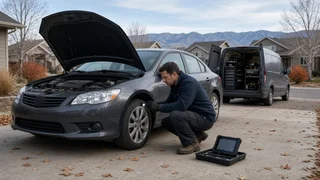
Yes, you can often get a pre-purchase vehicle inspection on a Sunday, but you will usually need to look beyond the typical repair shop. Mobile inspection services and some independent mechanics take weekend appointments, while many shops, dealer service departments and state inspection stations are closed or short-staffed on Sundays. One distinction matters most: a pre-purchase inspection is a private evaluation of a car's condition, not the official state safety inspection or emissions test. If you need an official inspection for registration, Sunday options are much more limited and depend on your state's rules and station hours.
Pre-purchase inspection vs. state inspection
People searching for vehicle inspections on Sunday are often looking for one of two different services, and mixing them up can waste a weekend.
Service | Purpose | Who performs it | Sunday availability; Pre-purchase inspection (PPI) | Assess condition before you buy | Independent mechanics, mobile inspectors, some dealers | Often possible through mobile or independent services; book ahead; State safety inspection | Confirm the vehicle meets your state's minimum safety requirements | Licensed or state-authorized stations, where required | Varies by state and station; many stations close on Sundays; Emissions test | Confirm the vehicle meets emissions rules in areas that require testing | State-run or licensed testing facilities | Varies; many facilities keep limited weekend hours or close Sundays
A PPI does not produce an official test certificate and generally cannot replace a required state inspection. Likewise, a passed state inspection is not a substitute for a PPI. State inspection criteria cover minimum legal standards, while a good pre-purchase inspection looks for wear, past damage, leaks and upcoming repair costs that a minimum-standards check may not address. If the car fails a state inspection, the retest process and deadlines are set by your state, so check those rules separately.
Who offers Sunday pre-purchase inspections
Mobile inspection services: An inspector travels to the seller's location. These services are the most common Sunday option because they are not tied to shop hours. Independent repair shops: Some keep weekend hours, particularly in larger metro areas. Call to confirm that a qualified technician, not just front-desk staff, will be on site. Marque or specialist shops: Shops focused on one brand or vehicle type may offer weekend appointments by arrangement, which is useful for European, performance, diesel, hybrid or electric vehicles. Dealer service departments: Usually the least likely to offer Sunday inspections, though policies vary by dealer.
Limitations of a Sunday inspection
A weekend inspection can be thorough, but a few practical constraints are worth planning around.
No lift on a mobile visit: A mobile inspector working in a driveway or parking lot may not be able to raise the car fully. Ask how they inspect the underside, suspension, exhaust and frame, and whether they use a jack, ramps or a camera. Limited follow-up testing: If the inspector suspects a problem that needs a compression test, smoke test or deeper diagnosis, a shop with full equipment may be needed. On Sunday you may have to schedule that follow-up for another day. Parts stores and dealers closed: Checking a recall status or confirming a part number with a dealer may have to wait until Monday. Lighting and weather: Outdoor inspections late in the day or in rain make paint, body panel and leak checks harder. Morning slots in good light are better. Seller availability: Private sellers are often free on weekends, which helps, but confirm they will allow the inspection, a cold start and a test drive.
What a good pre-purchase inspection should cover
Inspection criteria vary between providers, so ask for a sample report before you book. A useful inspection typically includes the following.
Vehicle identification: Confirming the VIN (vehicle identification number) on the dashboard, door jamb and title match, and noting any signs of tampering. Cold start: Starting the engine after it has sat, which can reveal noises, smoke or hard starting that a warm engine hides. Ask the seller not to run the car before the inspector arrives. Diagnostic scan: Reading stored and pending trouble codes, and checking whether the readiness monitors are complete. Recently cleared codes can hide a problem and may also cause an emissions test failure. Engine and transmission: Leaks, fluid condition, belts, hoses, mounts and shifting behavior. Brakes, tires and suspension: Pad and rotor wear, tire tread and age, uneven wear patterns, worn bushings and shocks. Body and frame: Paint inconsistencies, panel gaps, overspray, rust and signs of structural repair or flood exposure. Electrical and interior: Lights, windows, climate control, infotainment, warning lights and airbag indicators. Test drive: Steering, alignment, braking, vibrations and noises under real driving conditions. Written report: Photos, findings ranked by urgency, and notes on items that need further diagnosis.
For hybrids and electric vehicles, ask whether the inspector can assess the high-voltage battery and charging system. Not every general inspector has the tools or training for this, and battery condition can significantly affect the value of these vehicles.
How to choose a Sunday inspection service
Qualifications: Ask about technician certifications and experience with the specific make, model year and powertrain you are considering. Scope in writing: Confirm what is and is not included, especially undercarriage access, the diagnostic scan and the test drive. Report format and timing: Find out whether you get the report the same day, which matters if the seller expects an answer quickly. Independence: Choose an inspector with no connection to the seller. Avoid using a shop the seller recommends. Total cost: Ask for the full price, including any travel fee, weekend surcharge or charge for added tests. Compare quotes on the same scope, since prices vary by market and service level. Cancellation and rescheduling: Weekend appointments can be in high demand, and private sales sometimes fall through, so check the policy.
Checks to do yourself before booking
A few steps can be done on a Sunday without a mechanic and may save you the cost of an inspection on a car you would reject anyway.
Run a vehicle history report using the VIN to look for reported accidents, title brands such as salvage or flood, and odometer inconsistencies. Check for open safety recalls using the VIN through the federal recall lookup. Review the title and confirm the seller's name matches it, or that a dealer has proper paperwork. Ask for maintenance records, especially for major services due at the car's mileage. Ask the seller directly whether the car has passed its most recent state inspection or emissions test, if your state requires one.
Using the results to decide
An inspection report is most useful when you sort the findings into three groups: safety or structural issues, significant upcoming repairs, and minor wear. Structural damage, flood signs, a VIN mismatch or title problems are usually reasons to walk away. Significant repairs, such as worn brakes, aging tires or a leaking component, can support a lower offer if you get repair estimates for your local market. Minor wear is normal on a used car and rarely changes the decision.
If the inspector flags something that needs further diagnosis, avoid finalizing the purchase on Sunday just because the seller is available. Ask for time to complete the follow-up at a fully equipped shop. A seller who refuses any independent inspection, or insists on finishing the deal before one can happen, is giving you useful information too.
If no Sunday slot is available
Ask the seller whether they will hold the car with a refundable deposit until an inspection can be done early in the week, and get the terms in writing. Some sellers will also let you take the car to a shop on a weekday, or a mobile inspector can meet the car at the seller's workplace. When buying from a dealer, ask whether a return or exchange window applies and what conditions limit it, so you know whether an inspection right after purchase is a realistic fallback.