OBD-II Freeze Frame Data Explained
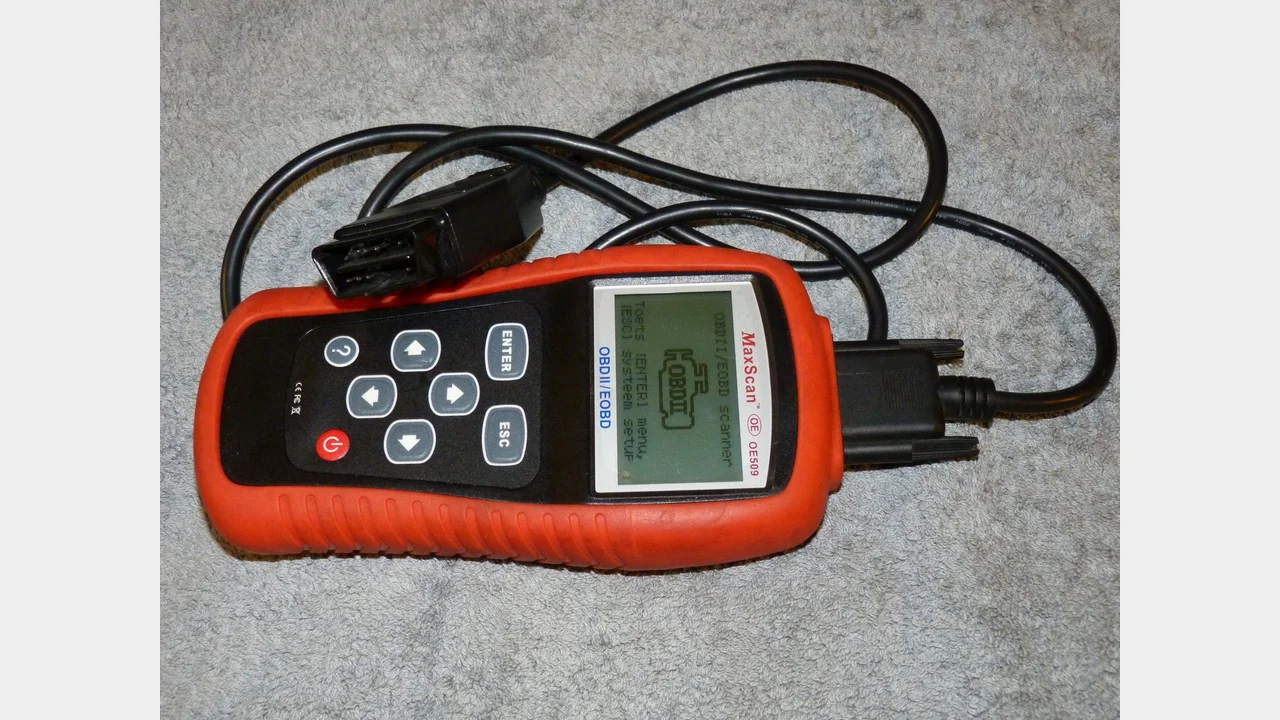
OBD-II freeze frame data captures the operating conditions the engine controller recorded at the instant a diagnostic trouble code was set. When a malfunction indicator light appears, this stored snapshot helps you reconstruct the situation behind the fault. The information is essentially a digital fingerprint of that moment, showing how sensors and actuators were behaving before the condition cleared or became permanent. It is especially useful for intermittent complaints that do not reproduce during a normal visual inspection or scan.
Essential answer
Freeze frame data is not proof that a specific part has failed; it is evidence about the circumstances surrounding a stored fault. The powertrain control module preserves values such as engine coolant temperature, rpm, vehicle speed, fuel trim, and calculated load when a diagnostic monitor identifies a problem. That record lets a technician compare what the computer saw against the conditions the vehicle actually experienced. One stored frame normally accompanies a code, and a newer emission-related fault can overwrite an older snapshot depending on the controller’s programming.
Interpreting the values requires considering whether the vehicle was warming up, under heavy throttle, at idle, or cruising when the condition appeared. A high coolant temperature in the frame, for example, points toward a heat-related issue and narrows the diagnosis toward cooling system behavior. A near-zero throttle position during a misfire snapshot suggests the concern happened at idle rather than under load. Reading the frame alongside the trouble code turns the stored numbers into a more focused starting point for inspection.