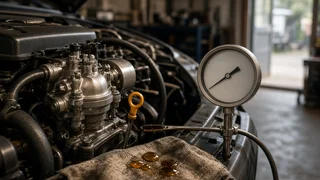
Normal oil pressure on the Jeep 4.0 engine
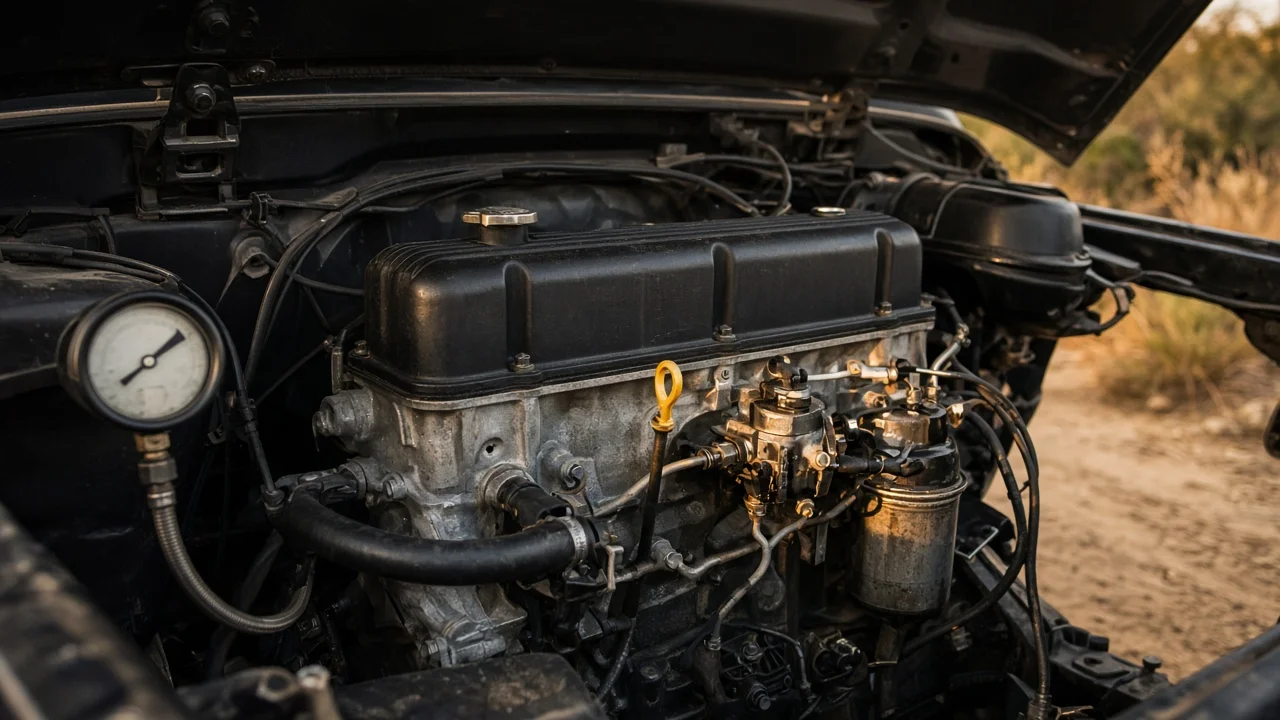
Checking the oil pressure gauge on a Jeep 4.0 inline-six often raises more questions than it answers. The reading on a healthy engine changes with temperature, rpm, and the grade of oil in the sump. Instead of a single fixed number, normal operating behavior is a range that moves predictably as the engine warms and as load increases. Understanding this response helps owners distinguish normal fluctuations in the jeep 4.0 engine oil pressure from signs of wear, a faulty sending unit, or a lubrication concern that deserves a closer look.
Essential answer
The essential answer is that normal pressure is conditional rather than constant. When cold, the Jeep 4.0 engine typically shows higher gauge readings because the lubricant is thick and resists flow through the bearing clearances. As the engine reaches operating temperature, the oil thins and the reading drops. At hot idle, a lower number is expected and does not by itself indicate a problem. The critical point is that pressure should rise smoothly as engine speed increases, and a hot idle reading that is stable is more important than matching a single ideal figure.
For this pushrod inline-six, the gauge is better read as a trend instrument than as a precision meter. A driver should compare the reading at a cold start to the reading after a long highway drive and to the reading during acceleration. If the needle moves promptly with rpm and settles into a repeatable hot-idle band without flickering or falling toward zero, the lubrication system is generally behaving as designed. Without a confirmed specification from the manufacturer, the practical definition of normal is this consistent, load-responsive pattern within the range the gauge displays.