Jeep engine oil pressure sensor and its replacement
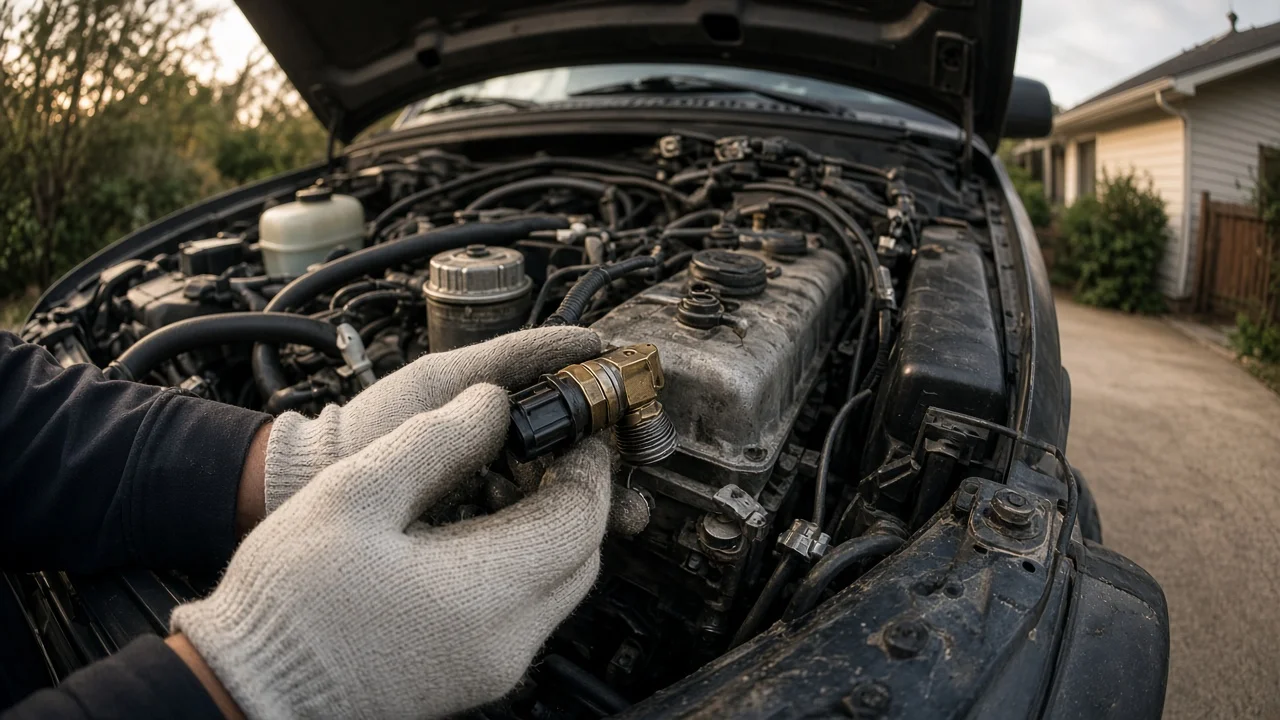
A Jeep engine oil pressure sensor is a small but important sending unit that watches lubricant pressure and reports it to the gauge or warning system. When the reading becomes erratic, pegged, or drops to zero without mechanical noise, owners often research the sensor and its replacement. The same concern applies to vehicles such as the Jeep Grand Cherokee, where a faulty switch can mimic low pressure. Understanding how the part behaves, why it is replaced, and how it differs from a true lubrication fault helps narrow the diagnosis before buying components.
Essential answer
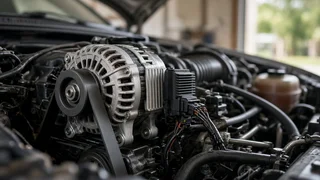
The essential job of the engine oil pressure sensor is to convert lubricant pressure into an electrical signal for the instrument cluster or engine controller. On a Jeep, the component is usually threaded into a pressurized oil gallery so its internal diaphragm sees the same force that reaches bearings and lifters. A normal signal changes with rpm and temperature because cold oil is thicker and idle pressure is lower than hot cruising pressure. That variable reading is expected and not by itself evidence of a failing part.
Replacement is appropriate when the sensor sends an implausible signal that does not match the engine’s mechanical condition. A needle stuck at maximum, a warning light with a full crankcase and quiet valvetrain, or a flickering gauge while oil level and viscosity are correct can point to the sending unit rather than the pump. Because Jeep Grand Cherokee and other Jeep models may use specific sensor ranges and connector styles, the replacement part should match the original application. A sensor fault is still a hypothesis to confirm rather than a failed part proven by one code.