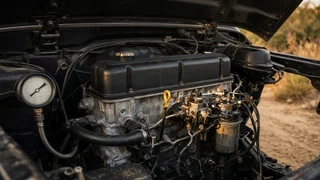
Choose Jeep 4.0 engine oil type

Choosing the right oil for a Jeep 4.0 engine matters because this long-running inline-six has specific lubricant needs shaped by its flat-tappet valvetrain and broad operating temperature range. Many owners ask about the jeep 4.0 engine oil type when a change is due, after noticing pressure fluctuations, or when comparing options at a parts counter. The correct choice supports consistent oil pressure, reduces wear during cold starts, and helps the lifters and camshaft survive under load. Understanding viscosity, additive requirements, and how driving conditions affect the lubricant specification turns a routine service question into a longer-lasting ownership decision.
Essential answer
The essential answer depends on the engine's design and your climate. Jeep 4.0 inline-six engines typically respond well to conventional or synthetic oils with viscosity grades that match expected ambient temperatures and wear. In many regions, a 10W-30 lubricant remains a common all-season recommendation because it flows adequately at moderate cold-start temperatures while maintaining film strength once the block reaches operating temperature. Hotter climates may justify a heavier grade, while consistently cold environments may favor a lighter winter rating for easier cranking.
Oil level checks and fill quantity are equally important because the 4.0's long cylinder head and oil galleries need enough volume to keep the valvetrain wet during steep angles or sustained high rpm. Before selecting a brand, confirm the crankcase holds the correct amount and that the dipstick reading is taken on level ground after a brief shutdown. A correct lubricant specification paired with an accurate level check prevents both aeration from overfilling and pressure loss from underfilling. Manufacturer approval language on the bottle helps narrow the field, but the viscosity and additive package matter most for this pushrod design.
Relevant alternatives
When comparing alternatives, synthetic and conventional oils each have a role. Synthetic lubricants generally resist thermal breakdown better during long highway runs, towing, or slow trail crawling where underhood heat builds. They also flow more predictably in cold weather, which can reduce start-up wear on the flat-tappet lifters. Conventional high-quality oils remain acceptable for many stock engines, especially when the service interval is short and the operating environment is mild. The relevant choice is not always the most expensive option but the one matching the engine's age, leak tendencies, and actual use.
High-mileage formulations offer another relevant alternative for 4.0 engines with hardened seals or light seepage. These oils include conditioners designed to soften aging gaskets, which can reduce visible leakage without changing viscosity. However, a higher zinc or phosphorus additive level may matter more for protecting the cam lobes and lifters, particularly in older engines or rebuilt units with flat tappets. Owners prioritizing durability under heavy load may lean toward oils with robust anti-wear chemistry, while those focused on cold-start noise and leak control may prefer a synthetic high-mileage blend. Each priority points to a different practical answer.