Normal Oil Pressure for a Diesel Engine
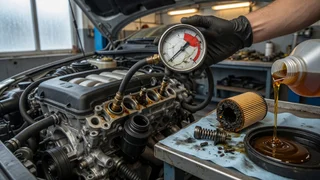
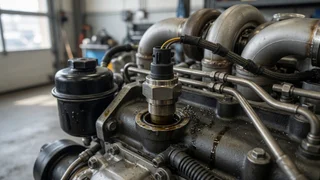
Diesel engines depend on pressurized oil to keep heavily loaded bearings, turbochargers, and piston-cooling circuits protected. The question of how much oil pressure a diesel engine should have has no single universal number; acceptable readings change with engine temperature, rpm, and design. A gauge that shows a stable value within the manufacturer’s expected range is usually a sign that the lubrication system is functioning, while a sudden drop or an unusually high reading deserves attention. Understanding what creates that pressure helps separate normal variation from an early warning of wear, a restricted passage, or an oil supply problem.
Essential answer
A healthy diesel engine typically produces enough oil pressure to keep the lubrication circuit full and to supply critical clearances under load. Because engine families differ, the proper reading must come from the vehicle or equipment manufacturer rather than from a universal rule. Diesel engines often run at pressure ranges that vary from roughly 20 psi at a warm idle to 40 psi or more at operating speed, but those figures are broad illustrations rather than specifications. The key point is that pressure should rise with rpm and then stabilize as the relief valve controls maximum system pressure.
For a diesel engine, useful oil pressure is not simply a high number on a gauge. It reflects the balance between pump output, bearing clearances, oil viscosity, and temperature. Cold oil is thicker and resists flow, so a cold start can show elevated pressure that falls as the lubricant warms. Low oil pressure at hot idle can still be acceptable if it remains within the range stated for that engine. Rather than treating one momentary reading as proof of a fault, the goal is to compare the observed value with the approved lubricant specification and the manufacturer’s stated expectations for that equipment.