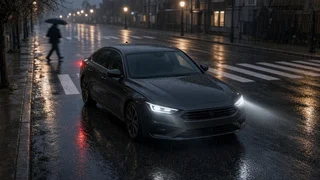
Nissan automatic emergency braking warning light
A glowing automatic emergency braking warning on a Nissan means the driver assistance feature may not be operating normally. The instrument cluster light is a status indicator, not a standalone diagnosis. It can appear briefly during startup, remain steady in rain or snow, or accompany a display message when the windshield area, radar sensor, or camera is affected. Understanding how the system evaluates its own operating status helps distinguish a temporary limitation from an ongoing fault that should be investigated. The following overview explains what this indicator means and how to approach the symptom methodically.
Essential answer
The automatic emergency braking system warning light is part of the vehicle's driver assistance monitoring. When the cluster illuminates this indicator, the control module has detected a condition that prevents reliable automatic braking intervention. That condition can be environmental, such as heavy precipitation or a dirty forward-facing sensor. It can also indicate a stored fault, a calibration concern, or a temporary loss of camera visibility. The light does not by itself confirm a failed part. Instead, it signals that the feature's operating status has changed and that the driver should pay attention.
On many Nissan models, the warning indicator works with a display message that adds context. A brief light during ignition is usually part of a normal self-check, but a persistent or recurring light while driving deserves attention. Bright sunlight, fog, or a coated windshield can reduce the optical sensor's view and cause the system to suspend itself. In such cases, the warning may clear once conditions improve. The vehicle still provides normal braking, but the automatic collision mitigation function is not actively supervising the road ahead.
Diagnosing a problem
Start by observing when the warning appears and whether the vehicle displays an accompanying message. If the light comes on immediately after startup and stays on, the system may be completing a diagnostic check or reporting a stored condition. A light that appears only in rain, snow, or muddy driving often points to an obscured sensor or reduced camera contrast. Check the upper windshield area for frost, film, dirt, or stickers that could block the forward camera. Also inspect the front grille or emblem area where radar sensors are commonly mounted.
If the windshield and sensor areas are clear but the light remains active, the issue may involve a diagnostic trouble code or a system that needs vehicle-specific confirmation. Manufacturer-dependent faults can differ between model years and trim levels, so a fault code should be treated as evidence to investigate rather than proof that a particular part has failed. When the indicator is accompanied by reduced braking assist behavior, unusual pedal response, or other warning lights, stopped use and professional diagnosis may be appropriate. Otherwise, recording the conditions and warning pattern can help narrow the cause.