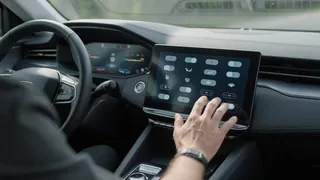
Best automatic emergency braking systems
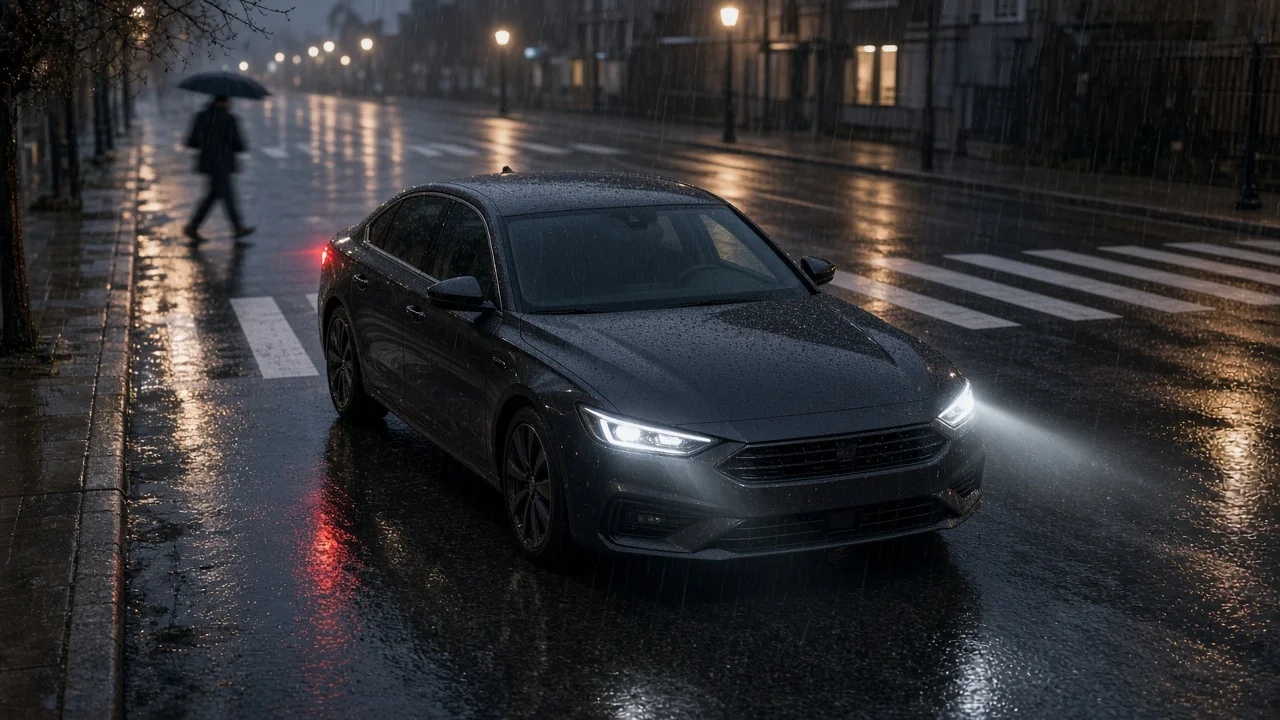
Choosing among automatic emergency braking systems means comparing how quickly a vehicle sees a hazard and how confidently it intervenes without surprising the driver. The best setups pair forward-facing sensors with electronic stability control hardware, using brake fluid pressure to slow the car even before the driver reacts. Real-world performance depends on calibration more than on any single brand name. Understanding how these systems apply friction material to the brake rotors through the calipers can reveal meaningful differences in warning timing, low-speed intervention, and everyday drivability.
Relevant entries
A useful starting point is a system that combines camera and radar inputs. The camera helps classify vehicles, pedestrians, and sometimes cyclists, while radar provides distance and closing speed in poor visibility. This sensor pairing allows the vehicle to prefill hydraulic pressure, moving the calipers closer to the brake rotors for a firmer response. The benefit is more predictable behavior at city speeds, where a system must distinguish between a parked car on a curve and an actual stopped obstacle.
Also worth considering is any system that integrates clearly with existing brake hardware. Automatic braking increases demand on brake pads and brake fluid, so a well-matched setup monitors wear limits and hydraulic performance rather than simply triggering sudden grabs. For owners, the practical advantage is consistent pedal feel after repeated interventions. Before comparing vehicle fitment, drivers should confirm that a given implementation operates at both low and highway speeds, because some designs prioritize parking-lot collisions while others focus on higher-speed closure.