Rear Automatic Emergency Braking Explained
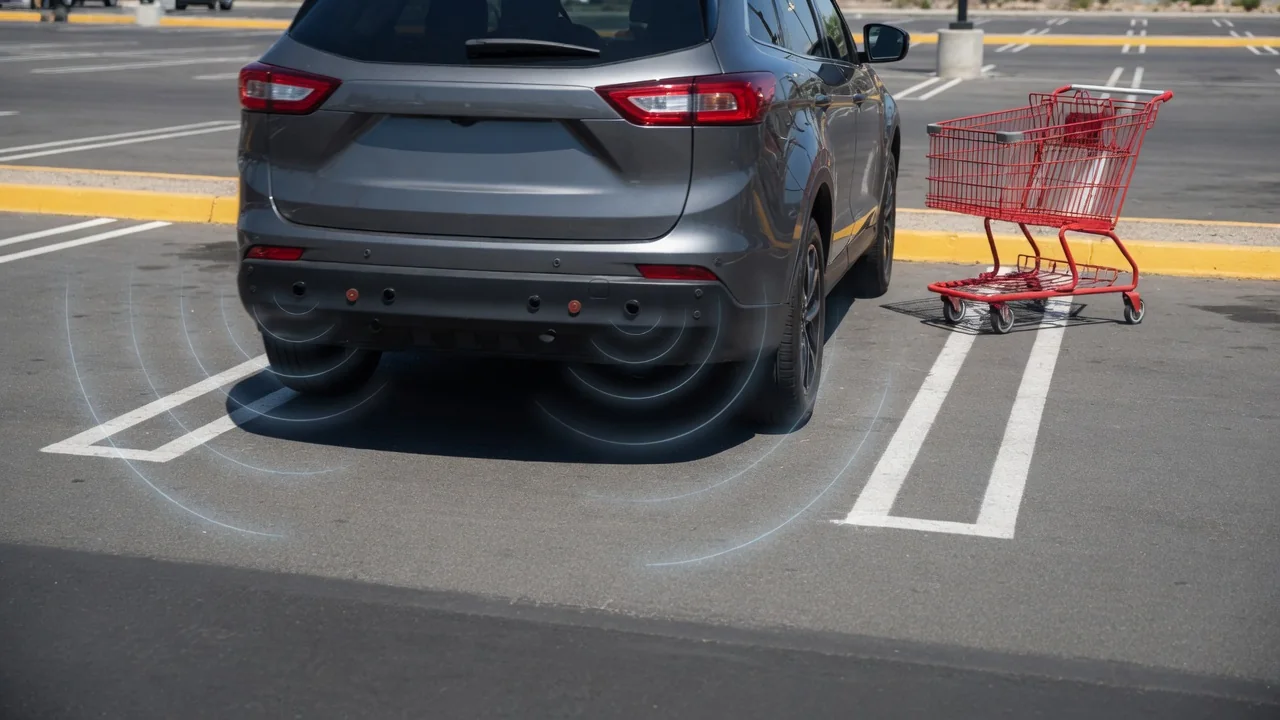
Rear automatic emergency braking is a driver assistance feature that watches the space behind a reversing vehicle and can apply the brakes if a collision looks likely. It is designed to help in parking lots, driveways and tight garages, where visibility is limited and low-speed backing collisions tend to happen. Knowing how it senses, warns and stops helps you use it well and spot when something needs attention.
What Rear Automatic Emergency Braking Does While You Reverse
When the transmission is in reverse, rear automatic emergency braking monitors the area behind the vehicle for obstacles such as posts, parked cars or walls. If the system decides a collision is imminent and the driver has not reacted, it can apply the brakes on its own. The goal is to prevent a low-speed backing collision or, when that is not possible, reduce how hard the impact is. It does not replace turning your head, checking the mirrors and watching the rearview camera before and during every reverse maneuver.
Many systems follow a similar sequence. Sensors first detect an object in the vehicle's path, then the car issues an audible or visual warning to prompt the driver to brake. If the driver does not respond quickly enough, the system adds brake pressure, sometimes bringing the vehicle to a full stop. Naming varies between manufacturers, so your owner's manual may call it reverse automatic braking, rear cross traffic braking or a branded package name, and features grouped under similar names can behave differently.
Sensors and Inputs the System Relies On
Rear detection typically draws on one or more sensor types. Ultrasonic parking sensors, the small round discs set into the bumper, measure distance to nearby objects with sound pulses and work best at very close range. A rear radar sensor, often hidden behind the bumper cover near the corners, can track objects farther away and approaching from the sides, which also supports rear cross traffic alert. Some vehicles add the rearview camera image to the decision. Which combination your vehicle uses depends on its design, so check the owner's manual rather than assuming.
Beyond sensors, the system relies on vehicle data to know when it should be active. Gear position tells it the car is in reverse, vehicle speed confirms it is within its operating range, and brake and accelerator status show whether the driver is already reacting. Sensor placement matters just as much. A sensor mounted low on the bumper sees curbs and posts differently than one mounted higher, and the corners may have different coverage than the center, leaving zones where small or unusual objects are harder to detect.
What Drivers Feel and Hear When the System Activates
Before braking, most systems try to get your attention. You may hear chimes or tones that speed up as an object gets closer, see colored zones or highlighted areas on the camera screen, or get a message in the instrument cluster. If the system does brake, the stop can feel sudden and firm, sometimes enough to jolt occupants or shift loose cargo. That abruptness is often normal operation, because at parking speeds the system has very little distance to work with and must stop the vehicle quickly.
After an automatic stop, the system typically hands control back to the driver. On many vehicles the brakes hold only briefly, and you may need to press the brake pedal yourself before continuing; the exact behavior is described in the owner's manual and differs between vehicles. Whatever happens, take a moment to look around before moving again. It is tempting to assume an activation was a false alarm, but a child, pet, shopping cart or low post may genuinely be behind the vehicle and out of view.
Conditions That Limit Detection or Cause Unexpected Stops
Sensors need a clear view to work properly. Dirt, road salt, snow, ice, mud or heavy water droplets on ultrasonic sensors, the rear radar area or the camera lens can reduce detection range or trigger stops when nothing is there. Certain surroundings also cause trouble. Steep driveways and slopes can make the ground look like an obstacle, tall grass and bushes may reflect signals, and curbs can register as barriers. Trailer hitches, bike racks and cargo carriers mounted on the rear can block sensors or be detected as objects themselves.
Objects that are thin, low or moving are harder to pick up reliably. Chains, narrow poles and cables may not return a strong enough signal, while low obstacles can sit below a sensor's coverage. Pedestrians, small children and pets may not always be detected, especially if they step into the path suddenly, which is why the driver remains responsible for checking. Every system also works only within a certain speed range, and that range differs by vehicle, so reversing faster than intended may mean it will not brake at all.
Warning Messages, Safe Checks and When to Seek Professional Testing
When a sensor cannot see properly or the system detects a problem, the dashboard usually shows a message such as system unavailable, sensor blocked or service required, though the exact wording depends on the manufacturer. Owners can start with safe checks. Gently clean sensor and camera surfaces with a soft cloth and mild soap, avoiding high-pressure spray at close range. Remove accessories or covers that obstruct the bumper, then see whether the message clears once conditions change, such as after snow melts or the vehicle is driven a short distance.
If a scan tool retrieves a fault code, treat it as evidence to interpret rather than proof a part has failed, and confirm its meaning for your make, model and year, since codes and messages are not universal. Bumper repairs, repainting, minor impacts or sensor replacement can shift a sensor's aim, so ADAS calibration with dedicated equipment may be needed. See a qualified technician when warnings persist, braking happens repeatedly with nothing behind the car, or warnings never appear at all, and avoid tampering with sensors or wiring.
Settings, Variants and What to Confirm for Your Vehicle
Rear automatic emergency braking is not fitted to every vehicle. Availability differs by make, model, year and trim, and the feature may be standard, part of an optional package or not offered at all, even when parking sensors or rear cross traffic alert are present. Some vehicles let drivers switch the feature off temporarily, which can help when towing, entering a car wash or reversing through tall vegetation. Others allow adjustment of alert volume or timing. Your owner's manual explains which controls exist and where to find them.
Pay attention to how your vehicle handles those settings over time. Some systems switch back on automatically at each restart, while others remember the last setting, so a feature you disabled yesterday may or may not be active today. If you are shopping for a vehicle or are unsure what is fitted, confirm the feature through the window sticker, the owner's manual or a dealer rather than assuming. Knowing exactly what your vehicle has, and how it behaves, makes it easier to rely on it appropriately while reversing.