New Serpentine Belt Still Squealing? Causes and What to Check
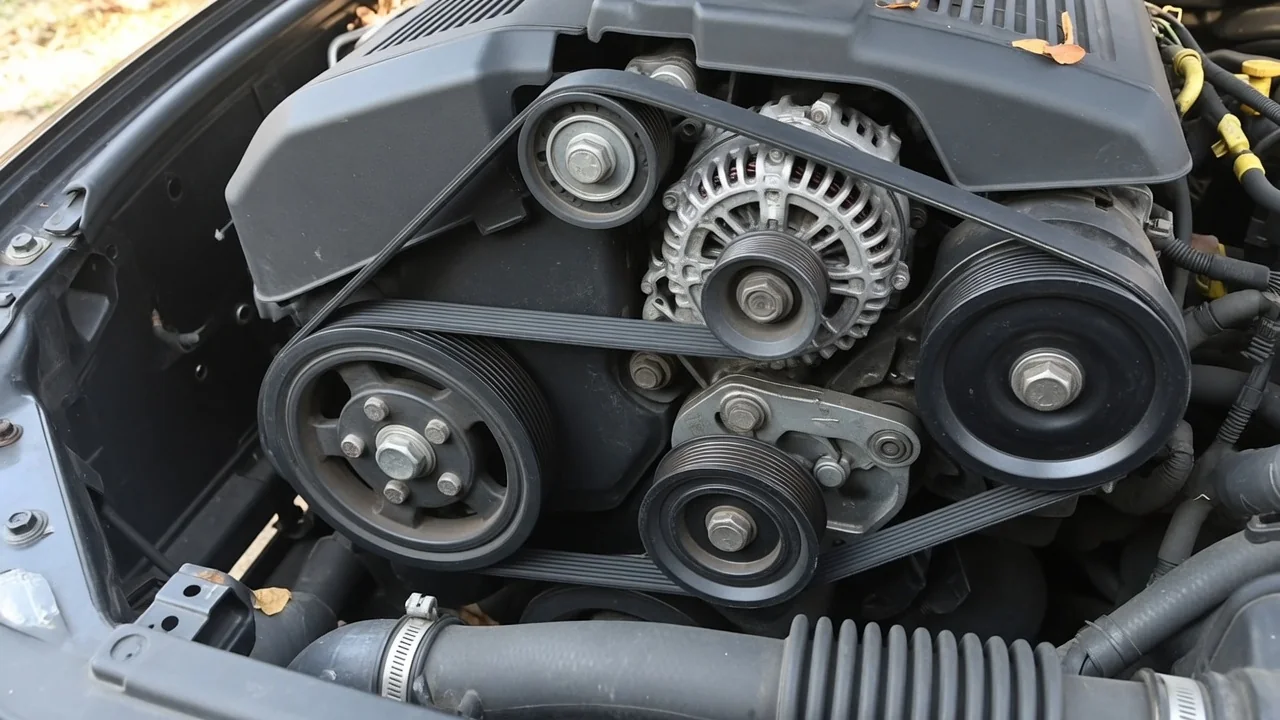
A new serpentine belt squeaking after replacement is frustrating because the belt was supposed to be the fix. Squeal can come from the belt, the automatic belt tensioner, an idler pulley, pulley alignment, belt contamination, or another accessory drive issue. A new serpentine belt squeal does not prove the belt is wrong or that a part has failed. Sorting short-lived break-in noise from a remaining drive problem takes a careful check order.
What Squealing After Belt Replacement Can Tell You
Installing a new belt only replaces the rubber that wraps the accessory drive. If the automatic belt tensioner is weak, an idler pulley bearing is noisy, a driven accessory is dragging, or oil has contaminated the grooves, a new serpentine belt still squeals because those conditions remain. The fresh belt may even make the old problem easier to hear. Treat the replacement as one variable, not as proof that every other part of the drive is healthy.
A short chirp during the first few cold starts can be break-in as the ribs seat in the pulley grooves. Persistent new serpentine belt squealing, or noise that returns after a quiet stretch, should not be waved off as bedding-in. Sound also cannot pinpoint a failed part or even confirm the belt is the source. A pulley bearing, a misaligned groove, or a slipping span can all produce similar chirps, so the noise is a clue to inspect, not a diagnosis.
Record When the Noise Happens Before Inspecting
Before you look at anything, write down when the new serpentine belt squeaking started. Note whether it appeared the first time the engine ran after the job, or only after some driving, and whether the same squeal was already present with the old belt. During ordinary use, record cold starts, wet weather, and air-conditioning operation if those conditions already occurred. Do not create extra load or splash water on the drive just to force the noise, because that can mislead the next inspection.
How long the noise lasts, any warning lights, unusual odors, and changes in how the vehicle operates help a technician narrow likely causes without proving which part is at fault. A brief chirp that fades is different from a squeal that continues with a charging lamp or a burning smell. When you do inspect, wait until the engine is off and cool, prevent automatic restart on hybrid or stop-start vehicles, and stay clear of electric fans that can run even after shutdown.
Check Belt Specification, Routing, and Visible Seating
Start with the part number on the installed belt and match it to the exact vehicle, engine, and accessory configuration. Two engines in the same model year can use different belts if one has extra driven equipment. Wrong belt length can leave the automatic belt tensioner outside its designed range, so a new belt still cannot hold adequate tension. Wrong rib count or reversed belt routing can keep the ribs from sitting fully in the pulley grooves even though the belt is brand new.
Use the routing diagram for that engine to check only what you can see: accessible belt spans and the faces of nearby pulleys. Do not remove guards or reach into tight spaces. Look for a rib hanging off the edge of a groove, a belt riding high or walking off a pulley, or fresh fraying on a rib edge. Those signs mean stop running the engine and have the installation checked, because continued operation can damage pulleys or throw the belt.
Look for Contamination and Visible Pulley Problems
Next, look at accessible portions of the accessory drive for oil film, coolant residue, wet patches, or packed debris in the grooves. Belt contamination reduces friction in the ribs, so a correctly sized new belt can still chirp or slip. A leak at a valve cover, power-steering area, or coolant housing will keep wetting the drive until it is repaired. Under the applicable service guidance, a contaminated belt may need replacement after the leak is fixed rather than being wiped and returned to service.
Obvious off-center tracking, a cracked pulley face, or a groove that is visibly damaged are useful observations to report. Subtle pulley alignment problems, though, need measurement with the proper tools; the eye cannot reliably judge a small angular error that still walks a belt. Do not apply belt dressing, lubricants, or sprays, and do not spray water on a running engine as a test. Those steps can hide a slip, contaminate the ribs further, and put you near moving parts.
Have Tensioner Function and Pulley Bearings Tested
A correctly specified belt still depends on the automatic belt tensioner to keep load on the accessory drive. If the tensioner is weak, sticking, or has lost damping, the belt can slip and a new serpentine belt squeal can return under load even though length and rib count are right. The tensioner pulley bearing, an idler pulley bearing, and a driven accessory such as the alternator or air-conditioning compressor can also make similar noises. None of those sources can be ranked by ear alone.
A technician can check tensioner travel and damping, measure pulley alignment, feel or listen for rough pulley bearings with the belt off, and test accessory resistance using vehicle-specific procedures. Those steps belong in a shop, not on a driveway with the engine running. Belt removal, unloading the tensioner, and any test that puts hands or tools near spinning pulleys sit outside a safe owner observation checklist. Report what you saw with the engine off and let trained service handle the moving parts.
Know When to Stop Driving and Return to the Installer
If you see smoke, smell burning rubber, notice the belt is shredded or off a pulley, the engine is overheating, or steering assist suddenly drops, stop in a safe place and shut the engine off. Accessory drive layouts differ: some vehicles drive the water pump, power steering, or both from the serpentine belt, while others do not. A new charging warning, rising temperature, or other change in how the vehicle operates after the belt job needs prompt assessment rather than continued driving to wait out a squeak.
When the only issue is ongoing noise without those urgent signs, contact the installer promptly instead of waiting through an assumed break-in period. Bring vehicle year, make, model, engine, and accessory options, the installed belt part number, the replacement date, when the noise happens, and any lights, smells, or driving changes. Photos of the belt and pulleys taken with the engine off and cool help the shop see seating and contamination. That handoff lets them reopen the job with facts instead of guessing.