Serpentine Belt Tensioner and Pulleys: Failure Symptoms, Replacement and Cost
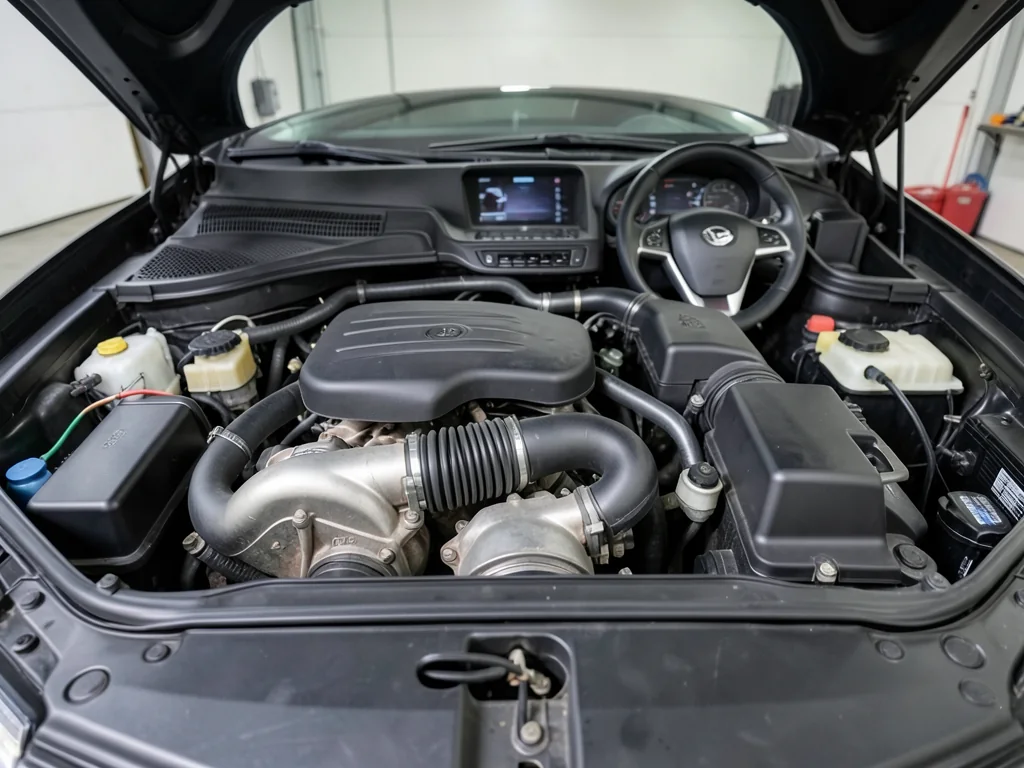
The serpentine belt tensioner rarely gets attention until it starts chirping, rattling or letting the belt slip. One belt often drives the alternator, the water pump and several other accessories, so a weak tensioner or worn pulley can quickly affect charging, cooling and comfort. Knowing how the system works makes it easier to read the symptoms, inspect it safely and compare repair quotes.
How the Automatic Tensioner Assembly Keeps the Serpentine Belt Working
A serpentine belt tensioner is an arm with a pulley on the end. A spring or a hydraulic damper presses that pulley against the accessory drive belt. Its job is to keep tension steady as the belt stretches with age, expands when it warms up and whips under sudden load changes. The assembly bolts to the engine through a mounting base that holds the internal spring or damper. A pivot arm swings on a bushing and carries a smooth or grooved pulley that turns on a sealed bearing.
Correct tension keeps the belt gripping the alternator, water pump, power steering pump and air conditioning compressor without slipping. Too little tension causes squeal and poor charging. An arm that snaps back and forth without enough damping sends shock loads into accessory bearings and shortens their life. Designs vary by engine. Most modern vehicles use an automatic spring tensioner, some use a hydraulic damper, and some older engines rely on manual adjustment. Confirm which type your vehicle has before you diagnose it or order parts.
Tensioner Pulley, Idler Pulleys and Drive Pulleys: What Each One Does
The tensioner pulley rides on the moving tensioner arm. Idler pulleys stay in a fixed position. They route the belt around obstacles and increase how far it wraps around nearby pulleys so those pulleys grip better. Drive pulleys do a different job: the crankshaft pulley delivers engine power, and the alternator pulley and other accessory pulleys receive it. Idler and tensioner pulleys each have their own sealed bearing, which wears independently of the belt. A new belt will not quiet a pulley that is already rough or dry inside.
Pulleys are either grooved, to match the ribbed side of the belt, or smooth, to run on its flat back. A replacement must match the surface it touches and the original width and offset, or the belt will not track straight. A misaligned or wobbling pulley pushes the belt toward one edge. That frays the edge, can throw ribs off the belt and often causes a persistent squeal. If you fit a fresh belt without correcting the pulley, the same failure comes back, often within a short time.
Symptoms of a Bad Serpentine Belt Tensioner or Pulley
Noise is usually the first clue. A chirp or squeal at startup, or when the air conditioning kicks on, suggests the belt is slipping, often because of low tension or glazing. A rattling or grinding sound that rises and falls with engine speed points toward a worn pulley bearing. A knock or clatter can come from a loose tensioner arm bushing. Also look for an arm that bounces at idle, frayed or shiny belt edges, rust streaks or grease around a pulley, and a wear indicator mark outside its range where one is fitted.
When the belt slips, the accessories show it. The lights may dim or the charging warning light may come on. The air conditioning can weaken, belt-driven power steering may feel heavy, and coolant temperature can climb if the belt drives the water pump. A worn belt, a failing alternator bearing or a bad accessory pulley can cause the same signs, so narrow down the source before you blame the tensioner. Finding which component makes the noise, and checking the belt itself, keeps you from paying for parts that were never the problem.
Safe Inspection Checks and When to Stop Driving
Start with the engine off and the key removed. Check the belt for cracks, missing chunks and glazing, then sight along each belt run to see whether the pulleys line up. Grab any idler pulley you can reach and feel for side play or gritty roughness. On a running engine, a mechanic's stethoscope or careful listening from a safe distance can help pinpoint bearing noise. Keep hands, loose clothing, hair and tools well clear of the moving belt and the fans, and remember that an electric cooling fan can start on its own.
Do not try to release or remove the tensioner during an inspection. It is under strong spring or hydraulic load, and letting it go without the correct tool and procedure can injure you or damage parts. That step belongs to the repair. Stop driving if the belt is shredded, the arm is visibly broken, the charging warning is on or the engine temperature is climbing. Losing the water pump or alternator can lead to overheating damage or a stall. Bearing noise can come and go, and weak damping is hard to judge by feel, so persistent unexplained noise deserves professional testing.
Replacing the Tensioner, Pulleys and Belt: What the Job Involves
At a high level, the belt is released from the tensioner and the old tensioner or pulley is unbolted. The new part is fitted and torqued to specification, and the belt is routed exactly as the vehicle's routing diagram shows. Access varies widely. On some engines the job can be done from above in under an hour. Others require removing a wheel, splash shield, engine mount or cooling fan, which adds difficulty and shop time. If the arm, bushing and spring are sound, a pulley sold on its own may be enough. If the bushing, spring or damper is worn, the whole assembly should be replaced.
The belt and tensioner are usually replaced together because they share the same access labor. A stretched or glazed belt can also hide whether a new tensioner is working properly. For the same reason, a worn tensioner is often replaced when a new belt goes on. After the work, run the engine briefly and confirm three things: the belt tracks centered on every pulley, the tensioner arm holds steady, and the noise is gone. Check again after the first drive, because a misrouted belt or loose part often shows up once everything is hot.
What Drives the Cost of Tensioner, Pulley and Belt Replacement
The bill has two main parts. One is parts: the tensioner assembly, any individual pulleys and the belt. The other is labor time, which is usually the larger share on engines with cramped access. Parts cost depends on whether the tensioner is sold as a complete assembly or just the pulley, whether it uses a spring or a hydraulic damper, and whether you choose original-equipment or aftermarket parts. The shop's hourly rate and your region also change the total, so the same job can be priced quite differently from one shop to the next.
Doing related work in one visit saves money. Replacing the belt along with the tensioner or an idler pulley means you pay the access labor only once. Once one bearing has failed, a shop may also recommend replacing every pulley in the belt path. Ask about hidden costs too, such as a snapped belt that damaged wiring or hoses, a seized accessory that caused the tensioner to fail, or a tensioner bolt that broke off in the engine block. Request an itemized estimate that separates parts, labor hours and any diagnostic fee, so you can compare quotes fairly.