Car Belt Noise: Causes of Squealing, Squeaking and Chirping
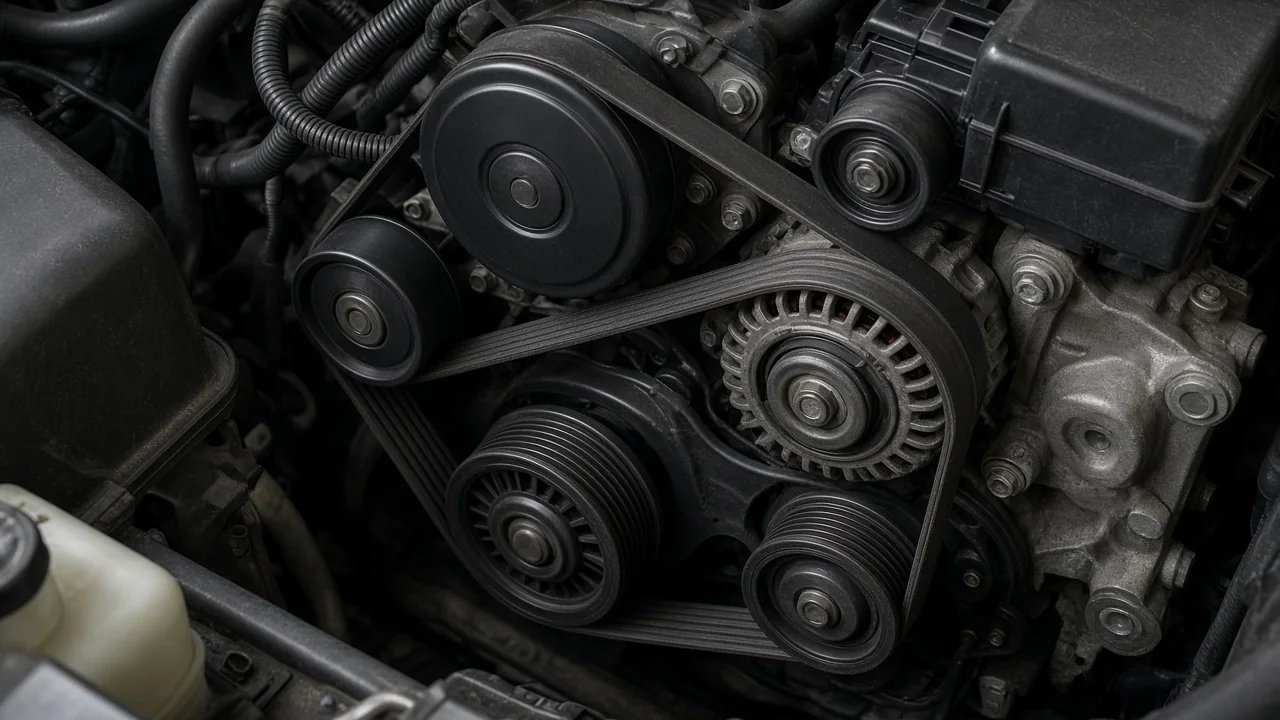
A belt in a car making noise is a common complaint, ranging from a high squeal to a light squeak or a rhythmic chirp. Car engine belt noise usually comes from the accessory drive, where a serpentine or accessory drive belt turns driven components that vary by vehicle. Belt noise is a clue, not a diagnosis, because the belt, a tensioner, a pulley, or nearby hardware may all be involved.
Recognize the Sound and Locate the Accessory Drive
The accessory drive belt, often a serpentine belt, transfers engine rotation to accessories mounted on the front of the engine. Routing and which accessories the belt drives depend on the vehicle, so a belt on a car making noise does not point to one universal layout. Some engines use more than one accessory belt. If the car drive belt is making noise, start by identifying the external drive at the front of the engine rather than assuming every engine sound is belt related.
Squealing, squeaking, and rhythmic chirping are useful observations, but they do not name the failed part. That belt noise in the car can also come from an idler pulley, a belt tensioner, an accessory bearing, or a nearby heat shield that rattles in time with rotation. Apparent location is unreliable because sound travels through the engine bay. Keep the investigation on external drive belts and their pulleys, not an enclosed timing belt. If the source remains unclear, a technician should identify it rather than guessing from cabin sound alone.
Record When Startup Squeaking or Squealing Occurs
A squeaking or squealing noise when starting a car is not the same event as a squeal that begins only after the engine fires. Note whether the sound happens during cranking, right as the engine starts, or only once it is running, and how long it lasts. A squeaky noise when starting a car on a cold morning can differ from the same complaint when the engine is already warm. Damp weather often accompanies a brief startup squeal because moisture on the belt and pulleys can reduce grip until the surfaces dry.
When accessories come online at startup, the extra load can expose inadequate belt grip or low tension without proving whether the belt, tensioner, or a pulley is at fault. A car that makes a screeching noise when starting, if that screech is confined to cranking and stops as soon as the engine runs, is a reason to have the starting system evaluated before assuming a belt fault. Record what you hear from the cabin. Do not crank repeatedly just to provoke the sound, because extra starts add unnecessary strain.
Check Visible Belt Wear, Glazing and Contamination
If a car belt is making noise, a visual look is only safe with the engine off and cool, the key removed, and remote starting prevented. Stay clear of electric cooling fans, which can start without warning. Look at easily visible stretches of the belt for fraying, missing rib material, edge damage, and a glazed, shiny surface. Belt glazing can reduce friction and encourage slip. Appearance still cannot confirm that the belt is serviceable, and a belt can have significant wear without obvious cracking.
Belt contamination from oil or coolant can change how the belt grips the pulleys and may be why car belts start making noise after a leak. Finding and repairing the leak belongs with any belt work, because a new belt on a contaminated pulley will often make the same noise. Do not use belt dressing, lubricant sprays, or a water splash as diagnostic shortcuts, and never touch a running belt. Those methods can hide the cause, damage the belt, or create a serious injury risk.
Understand Tensioner, Pulley and Alignment Faults
A belt tensioner keeps the accessory drive belt under load so the ribs stay seated in the pulleys. Inadequate tension allows slip, which often shows up as a squeal under accessory load. A weak, sticking, or noisy tensioner can contribute to belt noise even when the belt still looks intact. An idler pulley or an accessory bearing can produce a whine or chirp that follows engine speed and is easy to blame on the belt. Those bearings need professional assessment, not a guess from sound alone.
Pulley alignment and incorrect routing can make the belt walk, chirp in a regular rhythm, and wear the belt edge. Recent belt or accessory work is useful history because a pulley left out of plane, a routing error, or a reused worn tensioner can leave the drive noisy, but the installation should not be assumed to be the cause. Belt removal, tensioner manipulation, and pulley testing belong with a qualified technician. Those steps require the correct tools and a clear view of how the drive is designed on that vehicle.
Identify Warning Signs That Require Stopping
What happens if the belt fails depends on which accessories that vehicle's belt drives. Loss of the water pump can lead to overheating. Loss of the alternator can drain the electrical system. Loss of a hydraulic power steering pump can make the steering suddenly heavy. If belt noise in a car arrives with overheating, smoke, a burning smell, or a sudden loss of steering assistance, pull over safely and shut the engine off. Continuing to drive in those conditions can turn a belt problem into engine or steering damage.
A charging warning light together with belt noise is a reason to stop safely and get guidance rather than finish a routine trip, because the alternator may no longer be driven. A belt that has jumped a pulley, shredded, or dropped off the drive is a roadside-assistance situation. Do not assume there is a safe remaining distance. Recurring startup squeal or chirping that fades after a few seconds still deserves prompt inspection. Intermittent car belt noise can be an early sign of slip, glazing, or a weakening tensioner rather than a problem that has gone away.
Prepare for Diagnosis and a Repair That Addresses the Cause
When you take a noisy drive belt to a shop, useful details include the year, make, and model, whether the sound is a squeak, squeal, or chirp, how long it lasts, whether the engine was cold, and whether rain or high humidity was present. Mention warning lights and any recent belt, tensioner, or accessory repairs. A technician may inspect belt condition and fit, confirm routing, watch tensioner movement, check pulley alignment, and assess accessory bearings. Vehicle-specific belt specifications and tensioning arrangements must be confirmed before parts or adjustments are recommended.
A repair that only replaces the belt can leave the noise in place if oil contamination, a leaking pulley seal, misalignment, or a failing idler remains. Confirmed leaks, alignment faults, and pulley problems need to be corrected when they contribute to belt damage, or the new belt can glaze, walk, or chirp in the same pattern. After the work, verification under the original noise conditions, such as a cold start or a damp morning, is part of confirming the repair. No single parts list or mileage interval fits every accessory drive.