Monro Brake Service: What It Covers and How It Compares
Monro is a US automotive service chain. The company was long known as Monro Muffler Brake, and many drivers still search for it under that name. Brake work is one of its core services, alongside tires, exhaust, alignment and general maintenance. This guide explains what a brake service at a chain shop like Monro usually involves, how it differs from a dealer or independent garage, and what to check before you approve an estimate. Prices, promotions, warranty terms and parts brands vary by location and change over time, so confirm them with the shop that will work on your vehicle.
The Short Answer
Monro brake service is a general-repair offering, not a single fixed package. It typically starts with an inspection of the brake system. Based on what the technician finds, the shop then recommends specific work, such as replacing brake pads, resurfacing or replacing rotors, servicing calipers, or flushing brake fluid. What you actually pay for depends on your vehicle and on the condition of its parts. A quoted starting price for a brake job usually covers only the most basic part of the work.
Monro operates stores under several regional brand names in addition to its own name. A shop with a different sign may belong to the same company. Service menus and policies can differ between brands and between individual stores.
What a Brake Service Usually Includes
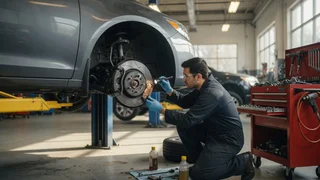
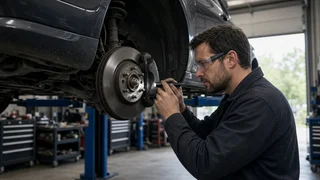
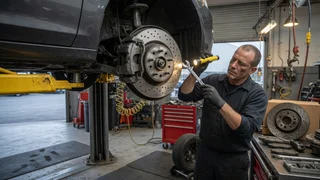
Chain brake service generally follows the same logic as brake work anywhere. The shop measures wear, identifies damaged or out-of-spec parts, and replaces what is needed. The main components are listed below.
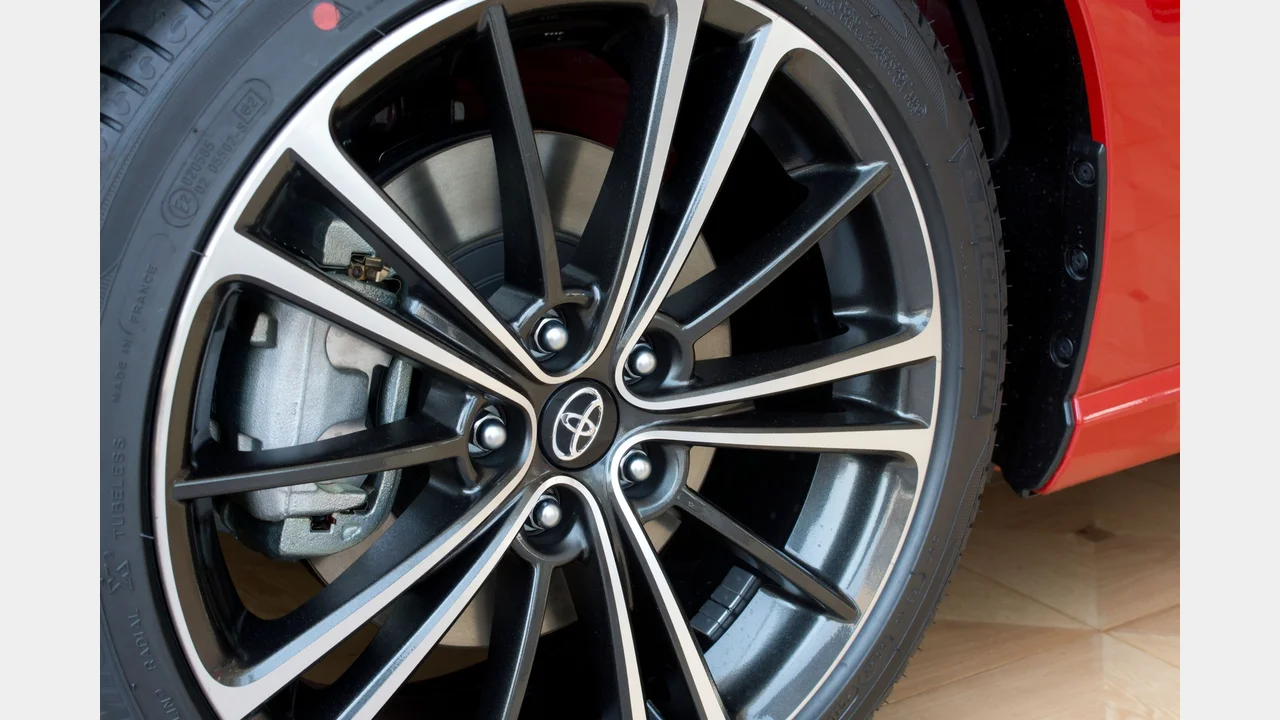
Brake pads: The replaceable blocks of friction material that press against the rotor to slow the wheel. Pads wear with every stop and are the most frequently replaced brake part. Brake rotors: The metal discs that the pads clamp onto. Rotors wear thinner over time and can develop grooves, heat spots or uneven thickness that cause vibration. Calipers: The hydraulic clamps that hold the pads and push them against the rotor. Calipers can stick, leak or seize, which causes uneven wear or pulling to one side. Brake fluid: The hydraulic fluid that transfers force from the pedal to the calipers. It absorbs moisture over time, which lowers its boiling point and can contribute to internal corrosion. Hardware and hoses: Clips, slide pins, shims and flexible brake lines that keep the system working smoothly. Worn hardware is a common cause of noise and uneven pad wear. Drum brakes, where fitted: Some vehicles use drum brakes with shoes on the rear axle. These are inspected and serviced with their own procedures.
How the Inspection and Estimate Work
A useful brake inspection measures parts against wear limits instead of relying only on appearance. Wear limits are the minimum safe dimensions for pad friction material and rotor thickness. The rotor's minimum thickness is often stamped on the rotor itself or listed in the vehicle's service information. A rotor below that figure should be replaced, not resurfaced. Pads are typically judged by how much friction material remains.
After the inspection, expect a written or digital estimate that separates parts from labor and lists each recommended item. Recommendations at chain shops are often tiered, for example "needed now" versus "monitor." That split is worth paying attention to. Ask which items are safety-critical today and which can reasonably wait.
Pads Only, Resurfacing or New Rotors
The biggest swing in a brake estimate usually comes from what happens to the rotors.
Approach | When it fits | Trade-off; Pads only | Rotors are within spec, smooth and not warped | Lowest cost; not appropriate if rotors are damaged or thin; Resurface rotors | Rotors have minor grooves or runout but enough thickness remains | Restores a flat surface; leaves the rotor thinner and less able to absorb heat; Replace rotors | Rotors are below minimum thickness, cracked, heavily scored or causing vibration | Higher parts cost; gives a fresh surface and full thickness
Many shops now replace rotors more often than they resurface them. Replacement rotors for common vehicles are widely available, and modern rotors often have little thickness to spare. Neither approach is automatically right or wrong. It comes down to measurements and the condition of the part.
Parts Choices and Vehicle Fitment
Brake parts must match your vehicle's exact specification, and that can vary by model year, trim, drivetrain, wheel size and towing or performance packages. Two versions of the same model may use different rotor sizes or caliper designs. Correct vehicle fitment is something to confirm, especially if a shop is quoting from the model name alone.
Pads come in different friction material types, and each type behaves differently.
Ceramic pads: Generally quiet and low on dust, and common on passenger cars. Semi-metallic pads: Generally better at handling heat, which suits heavier vehicles or towing, but they can be noisier and produce more dust. Organic or non-asbestos organic pads: Typically softer and quieter, but they tend to wear faster.
Chain shops often offer good, better and best grades of parts. Ask what distinguishes the grades on your specific vehicle. The difference might be friction material, included hardware, coatings on the rotors, or warranty coverage. A higher grade is not always necessary for ordinary commuting.
How a Chain Shop Differs From Other Options
Compared with a dealer: A chain shop usually installs aftermarket parts, not factory-branded ones, and may charge less for labor. A dealer is more likely to have model-specific diagnostic tools and to handle recall or warranty-covered repairs. Compared with an independent garage: A chain offers multiple locations, standardized service menus and, in some cases, warranty coverage honored at other stores in the network. An independent shop may offer more flexibility on parts and a more consistent relationship with one technician. Compared with doing it yourself: Pad and rotor replacement on many vehicles is within reach of an experienced home mechanic. Hydraulic work, electronic parking brakes and proper fluid bleeding require more tools and knowledge. Brakes are a safety system, and mistakes have serious consequences.
Signs It Is Time for Brake Service
A high-pitched squeal when braking. Many pads have a built-in wear indicator designed to make this noise. Grinding or scraping, which can mean the friction material is gone and metal is contacting the rotor. Vibration or pulsation through the pedal or steering wheel during braking. The vehicle pulling to one side when you brake. A soft, spongy or sinking brake pedal. A brake warning light, or a low brake fluid level in the reservoir. Longer stopping distances than you are used to.
A spongy or sinking pedal, a fluid leak, or a red brake warning light calls for prompt inspection before further driving. These symptoms can point to a hydraulic problem and are not simply signs of normal wear.
Questions to Ask Before Approving Work
What were the measured pad thickness and rotor thickness, and what are the wear limits for my vehicle? Which items are needed now, and which are recommendations for later? Are the rotors being resurfaced or replaced, and why? What grade and type of pads are being installed? Is the brake fluid being tested, and is a flush actually indicated? Does the quote include new hardware, caliper slide lubrication and a test drive? What warranty applies to parts and labor, and does it cover only the parts or also future labor? Can I see or keep the old parts?
Bottom Line
Monro brake service is standard brake inspection and repair carried out by a national chain operating under several brand names. What separates a good brake job from an oversold one is the same at any shop: measurements against wear limits, parts matched to your exact vehicle, and a clear split between urgent and optional work. Confirm pricing, parts grades and warranty terms with the specific location before you approve the repair.