Brake Repair Service: What It Covers, Warning Signs and What to Expect
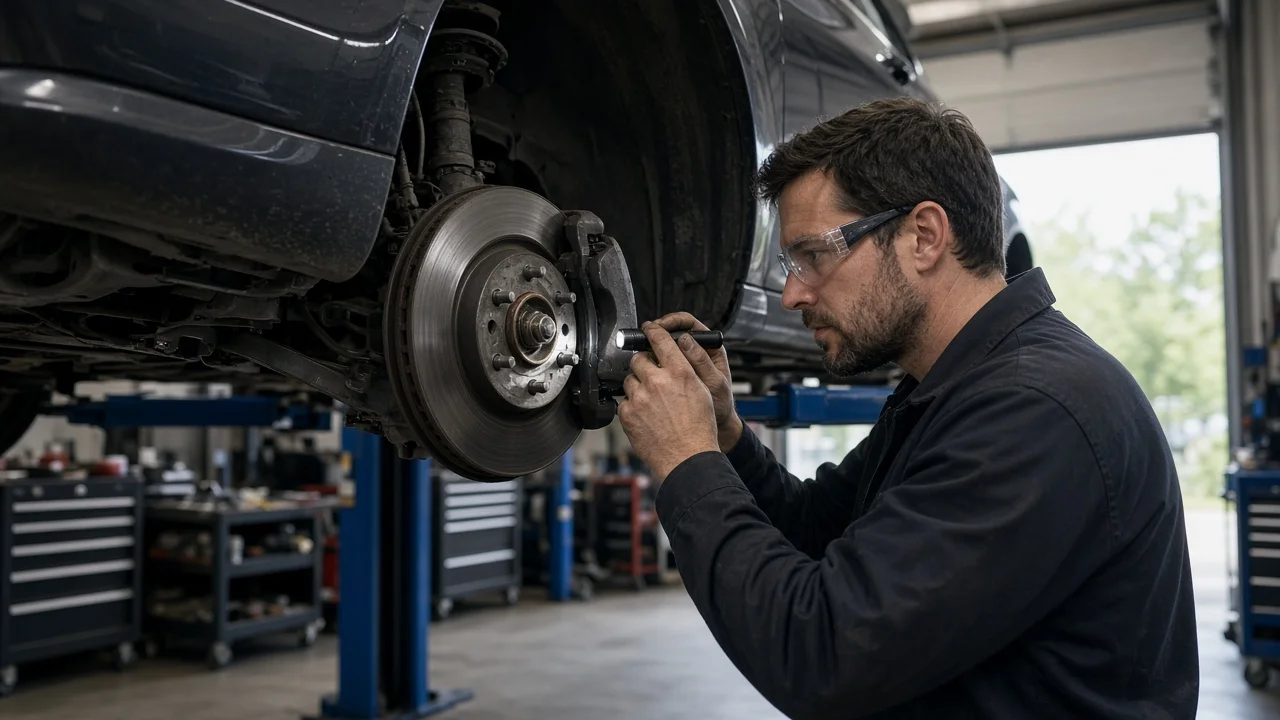
Brake repair covers the inspection, adjustment and replacement of parts that slow and stop your vehicle. The most common jobs are replacing brake pads, resurfacing or replacing brake rotors, servicing calipers and flushing brake fluid. Because braking is a safety-critical system, the right next step depends on your symptoms. Some issues, like a faint squeal from a wear indicator, mean you should book service soon. Others, like a sinking pedal or a brake warning light with poor stopping, mean you should stop driving and have the car inspected or towed.
The Short Answer
If your brakes are making new noises, feel different underfoot or trigger a warning light, get a brake inspection before deciding on repairs. A good inspection measures pad and rotor wear against the manufacturer's wear limits, checks the hydraulic system for leaks and fluid condition, and confirms that calipers and hardware move freely. The repair should then address the actual cause rather than defaulting to a standard package. What a job involves, and what it costs, varies widely by vehicle, model year, trim and whether the car uses specialized components such as performance brakes or an electronic parking brake.
What a Brake System Is Made Of
Most modern passenger vehicles use disc brakes at least at the front, and many use them at all four wheels. Some vehicles still use drum brakes at the rear. Understanding the main parts makes repair estimates easier to follow.
Brake pads: replaceable blocks of friction material pressed against the rotor to create stopping force. Pads wear gradually and are the most frequently replaced brake part. Brake rotors: the metal discs that turn with the wheel. Pads clamp onto them. Rotors wear thinner over time and can develop grooves, uneven thickness or heat damage. Calipers: the hydraulic clamps that hold the pads and squeeze them against the rotor when you press the pedal. Caliper pistons and slide pins must move freely for even braking. Brake fluid: the hydraulic fluid that transmits pedal force through the brake lines to the calipers or wheel cylinders. Brake lines and hoses: rigid metal lines and flexible rubber hoses that carry fluid to each wheel. Master cylinder: converts pedal pressure into hydraulic pressure. Drum brakes, where fitted: brake shoes press outward against a rotating drum, with wheel cylinders supplying the hydraulic force.
Common Brake Symptoms and What to Check
Symptoms point toward likely causes, but they are not a diagnosis on their own. Use the observations below to describe the problem accurately to a technician and to judge urgency.
Symptom | Possible causes | What it suggests; High-pitched squeal when braking | Built-in wear indicator contacting the rotor; glazed pads; missing or dry anti-rattle hardware | Pads may be near their wear limit; schedule an inspection soon; Grinding or metal-on-metal scraping | Pads worn through to the backing plate; debris trapped between pad and rotor | Rotor damage is likely or underway; stop driving as soon as practical; Vibration or pulsing in the pedal or steering wheel | Uneven rotor thickness or deposits; loose wheel fasteners; suspension or wheel issues | Rotors often need measuring; wheel and suspension checks may also be warranted; Car pulls to one side when braking | Sticking caliper or slide pins; contaminated pads; uneven tire pressure; collapsed hose | Uneven braking force; needs prompt diagnosis; Soft, spongy or sinking pedal | Air in the lines; fluid leak; worn master cylinder; degraded fluid | Hydraulic problem; treat as urgent; Brake warning light on | Low fluid level; parking brake engaged; sensor fault; hydraulic pressure issue | Investigate immediately; low fluid usually means wear or a leak; Burning smell or smoke from a wheel | Dragging caliper; parking brake left on; overheated brakes after heavy use | Let the brakes cool and have the dragging wheel checked; Fluid spots near a wheel or under the engine bay | Leaking caliper, hose, line or master cylinder | Do not drive until inspected
Simple Checks You Can Do
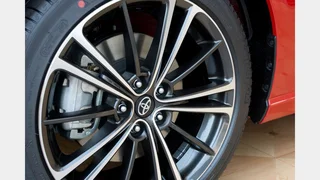
Look through the wheel spokes at the outer pad and rotor. Very thin friction material or a deep lip around the rotor edge suggests significant wear. Check the brake fluid reservoir level against its minimum and maximum marks. A level that has dropped gradually can reflect pad wear; a sudden drop points toward a leak. Note the fluid's appearance. Fresh fluid is usually clear to light amber; very dark fluid often indicates it is due for replacement, though color alone is not a precise test. After a drive without heavy braking, carefully compare warmth near each wheel without touching hot parts. One wheel noticeably hotter than the others can indicate a dragging brake. Confirm the parking brake fully releases and that tire pressures are even before attributing a pull to the brakes. If a dashboard warning or stored fault code appears, treat it as a lead to investigate. A code can point to a sensor, wiring or level switch rather than a failed brake component.
When to Stop Driving
Stop driving and arrange inspection or towing if the brake pedal sinks toward the floor, the vehicle stops much less effectively than normal, you see brake fluid leaking, the red brake warning light stays on while driving, or you hear persistent grinding. These signs indicate a loss of hydraulic pressure or severe wear, and continued driving can lead to brake failure or more extensive damage. When in doubt, a professional diagnosis is the safer choice.
What Brake Repair Service Usually Includes
Inspection
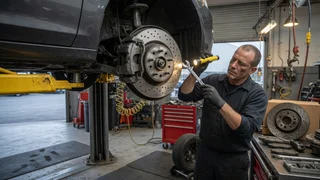
A thorough inspection removes the wheels, measures pad thickness and rotor thickness, checks rotors for runout and scoring, examines calipers, slide pins, hoses and lines, and assesses brake fluid. Rotors typically have a minimum thickness specification stamped on them or listed in service data; a rotor below that limit should be replaced rather than resurfaced.
Pad Replacement
Pads are replaced in axle sets, meaning both sides of the front or rear at the same time, so braking stays balanced. A quality job also cleans and lubricates contact points and slide pins and replaces worn hardware clips where needed. Some vehicles use electronic wear sensors that should be replaced with the pads.
Rotor Resurfacing or Replacement
Resurfacing, also called machining or turning, removes a thin layer to restore a flat, even surface. It is only appropriate when enough material remains above the minimum thickness. Many shops now replace rotors more often than they resurface them, partly because rotor designs and costs have changed. Ask which approach the technician recommends and why, based on the measurements.
Caliper Service
A caliper that sticks, leaks or applies unevenly may be cleaned and lubricated, rebuilt or replaced. Seized slide pins are a common cause of uneven pad wear and can often be fixed without replacing the caliper. A leaking piston seal usually requires a rebuild or a replacement unit.
Brake Fluid Service
Most brake fluids are hygroscopic, meaning they absorb moisture from the air over time. Moisture lowers the fluid's boiling point and can promote internal corrosion. A brake fluid flush replaces old fluid throughout the system, while bleeding removes trapped air after repairs. Use the fluid type specified for your vehicle, often printed on the reservoir cap. DOT 3, DOT 4 and DOT 5.1 are glycol-based, while DOT 5 is silicone-based and must not be mixed with the others. Follow the service interval in your owner's manual rather than a generic schedule.
Hydraulic Repairs
Leaking hoses, corroded steel lines and failing master cylinders are less frequent but more serious repairs. Vehicles exposed to road salt are more prone to brake line corrosion. These repairs require the system to be properly bled afterward, and vehicles with anti-lock brakes may need specific bleeding procedures or a scan tool.
Choosing Pads and Rotors
Replacement parts should match your vehicle fitment exactly, including model year, trim, brake package and sometimes production date. Vehicles in the same model line can use different brake sizes depending on engine, towing package or performance option.
Pad type | General characteristics | Typical trade-offs; Organic (non-asbestos organic) | Softer friction material, generally quiet | Tends to wear faster and produce more dust; less heat tolerance; Ceramic | Quiet operation, low visible dust, consistent feel in everyday driving | Often costs more; may not suit heavy towing or sustained high-heat use; Semi-metallic | Good heat tolerance and bite, common on trucks and performance applications | Can be noisier, dustier and harder on rotors
These are general tendencies, and individual products vary. Original-equipment parts are designed for your vehicle's intended balance of noise, wear and performance. Aftermarket parts range from economy to premium. For most daily drivers, matching the original pad type is a sensible starting point unless your driving changes significantly, such as regular towing or mountain driving.
How to Choose a Brake Repair Shop
Ask for a written estimate that separates parts and labor and itemizes each component. Ask to see measurements, or the old parts, that justify replacing rotors, calipers or other components. Confirm whether quoted parts are original-equipment or aftermarket, and which pad type is being used. Ask about warranty terms for both parts and labor. Be cautious of very low advertised prices that cover only basic pads; additional items such as rotors, hardware or fluid are often added after inspection. For vehicles with electronic parking brakes, regenerative braking or advanced driver-assistance systems, ask whether the shop has the tools and procedures to service them correctly.
Hybrid and Electric Vehicle Considerations
Hybrids and electric vehicles use regenerative braking, where the electric motor slows the car and recovers energy. This often means the friction brakes wear more slowly. However, brakes that are used less can be more prone to corrosion and sticking, especially in wet or salted climates. Inspections remain important even when pads last a long time, and some vehicles require a service mode to be enabled before brake work.
Next Steps
Note exactly what you observe: the type of noise, when it happens, whether the pedal feels different and whether any warning lights appear. Check your owner's manual for brake fluid type and service intervals. Then schedule a brake inspection, or arrange a tow if you notice a sinking pedal, fluid leak or severely reduced stopping power. A clear description and an inspection based on measurements give you the best basis for deciding which brake repairs your vehicle actually needs.