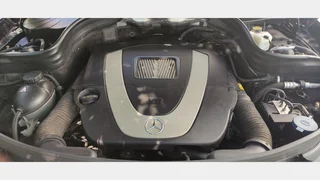
Mercedes V6 timing chain replacement
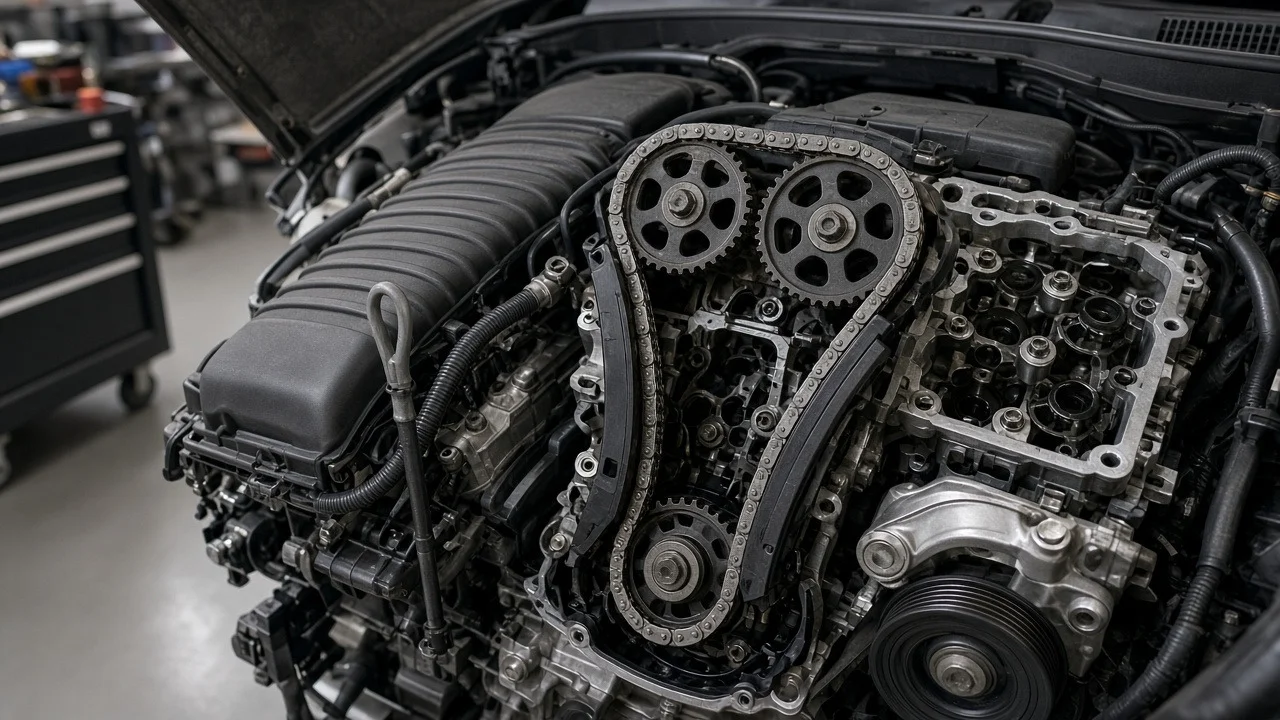
A timing chain concern on a Mercedes V6 raises immediate questions about engine design, warning signs, and the scope of repair. The chain synchronizes the camshafts and crankshaft so the valves open at the correct moment; when it wears, stretched links or failing guides can alter that relationship. Understanding the engine configuration, symptom conditions, and what inspection or diagnostic codes can reveal helps you evaluate the work without guessing. Service history and manufacturer specifications matter because replacement is often a labor-intensive service that differs from simpler belt designs.
Essential answer
Mercedes V6 timing chain replacement is the renewal of the internal chain, guides, tensioners, and related sprockets that keep valve timing accurate. On many V6 layouts the chain is located at the rear of the engine, so access can require substantial disassembly or engine removal. The essential answer is that this is a major repair based on observed wear, start-up rattle, camshaft correlation faults, or guide debris, not a routine interval item. Because the chain is lubricated by engine oil, consistent service history strongly influences its life.
Diagnostic codes are evidence to interpret rather than proof that the chain has failed. A camshaft-to-crankshaft correlation code can point toward a stretched chain, but the same reading may come from a sensor, actuator, or oil-control issue. Symptom conditions such as a brief metallic rattle on cold start, rough idle, or reduced performance should be compared with inspection findings. Before authorizing replacement, confirm the specific engine version and current timing data, since manufacturer-dependent codes and procedures require vehicle-specific confirmation.