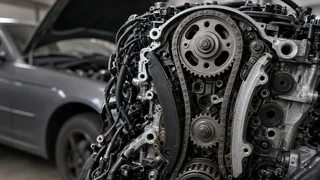
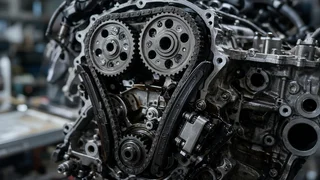
V6 engine timing chain
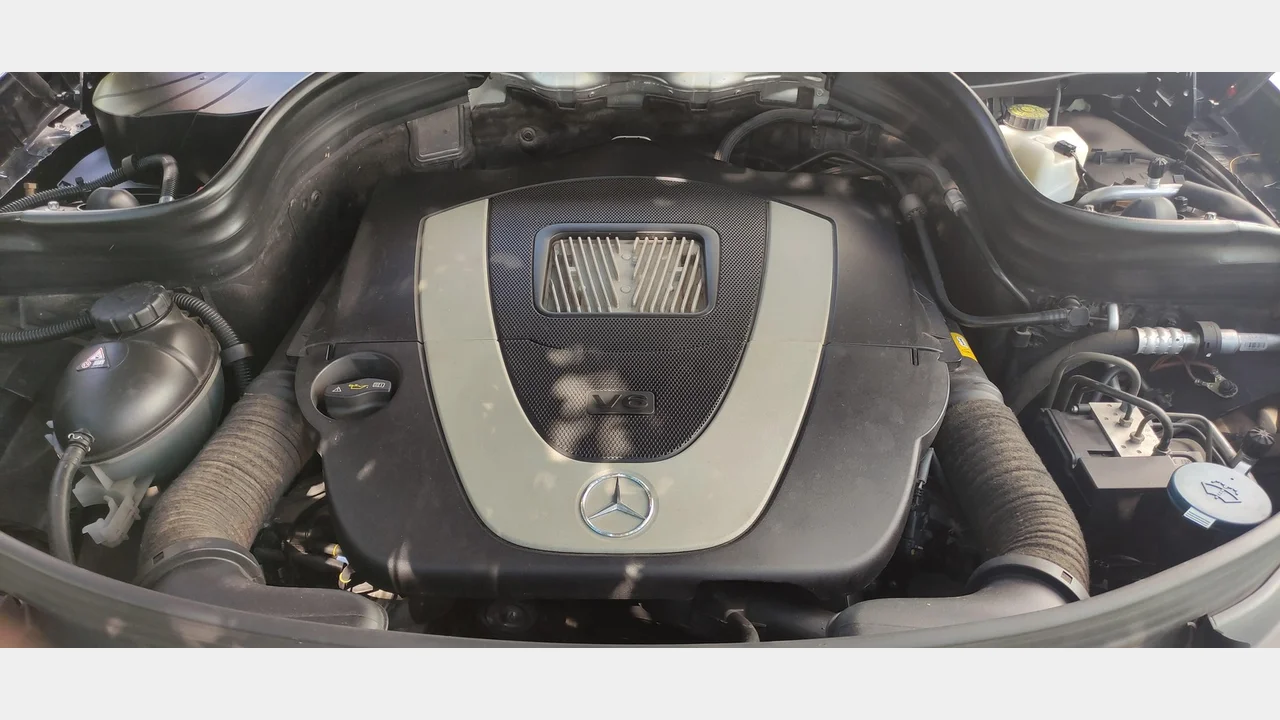
A timing chain coordinates the camshafts and crankshaft in a V6 engine so that intake and exhaust valves open at the correct moments. Unlike a belt, this metal chain is designed to last the life of the engine, but wear, oiling problems, and tensioner faults can still create serious running issues. Drivers researching this component often want to know how it affects reliability, what failure sounds like, and whether a used car with chain noise is worth buying. The engine configuration matters because a V6 places more demand on long chains and multiple guides.
Essential answer
The timing chain in a V6 engine synchronizes the rotating assembly with the valvetrain. On a V-configured six-cylinder, the chain may be a single long loop or a multi-chain design with separate primary and secondary chains driving each cylinder bank. Its role is mechanical timing: if the cam phasing drifts, combustion events occur at the wrong point in the piston stroke. That can reduce power, increase fuel consumption, or cause a no-start condition.
Compared with an external timing belt, a chain is quieter to maintain because it ordinarily has no replacement interval. The trade-off is that chain wear tends to be gradual rather than a sudden scheduled failure. Service history and symptom conditions become important during inspection. A cold-start rattle that fades, a persistent tick near the front cover, or diagnostic codes for camshaft correlation all point toward timing chain stretch or a loss of oil pressure to the tensioner rather than normal engine noise.