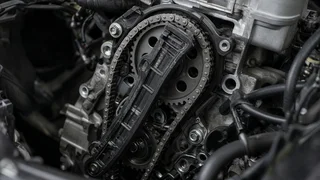
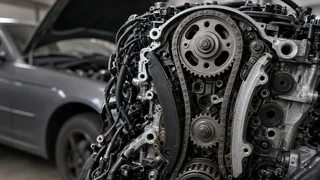
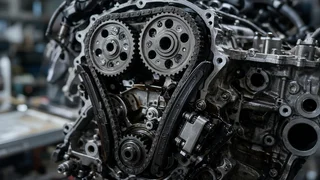
Mercedes engine timing chain
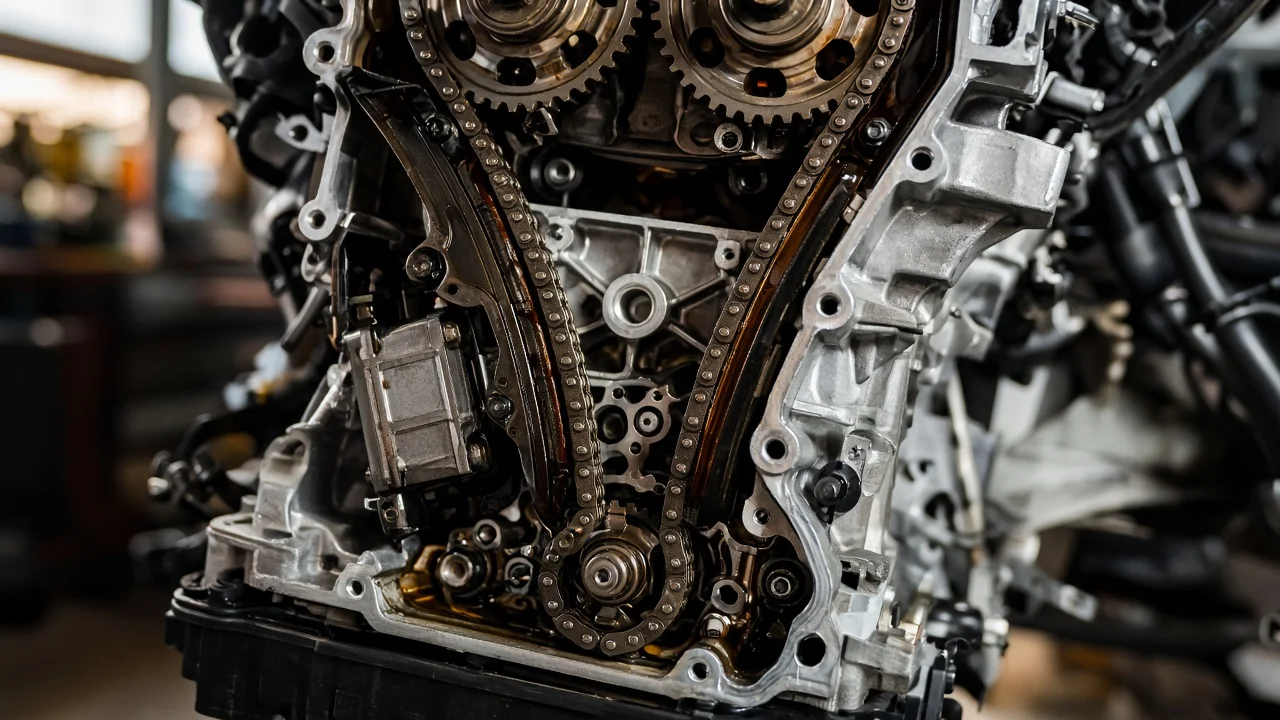
A timing chain coordinates the camshafts and crankshaft inside many Mercedes engines, preserving valve timing through thousands of hot and cold cycles. Drivers researching a Mercedes engine timing chain usually want to distinguish normal wear from the early symptoms of stretch, guide degradation, or tensioner trouble. Engine configuration, service history, and symptom conditions shape that picture. Some designs place the chain at the rear of the powerplant, making inspection more involved, while others allow a more direct front view. Understanding how the system works helps an owner evaluate noises, diagnostic codes, and maintenance priorities without assuming a fault code alone proves a failed component.
Essential answer
A Mercedes engine timing chain is a metal link belt that synchronizes the crankshaft and camshafts so intake and exhaust valves open at the correct moments. Unlike a rubber timing belt, it is designed for long service and runs inside the engine with lubrication. Wear typically appears as gradual elongation when pins and links develop clearance. Guide rails and hydraulic tensioners also influence chain control. A stretched chain or worn guide can alter cam timing enough to produce rough running, rattling at start-up, or correlation diagnostic codes before any complete failure occurs.
Because symptoms depend on model and engine configuration, no universal diagnosis applies to every Mercedes. A faint cold-start rattle that fades quickly may point to momentary tensioner bleed-down, while a persistent hot-idle rattle suggests deeper wear. Diagnostic codes may identify correlation errors but require vehicle-specific confirmation against manufacturer specifications. Service history adds context, since long oil-change intervals and low oil pressure can accelerate guide wear. Inspection remains essential because chain stretch, guide condition, and tensioner travel must be evaluated together rather than replacing parts on code evidence alone.